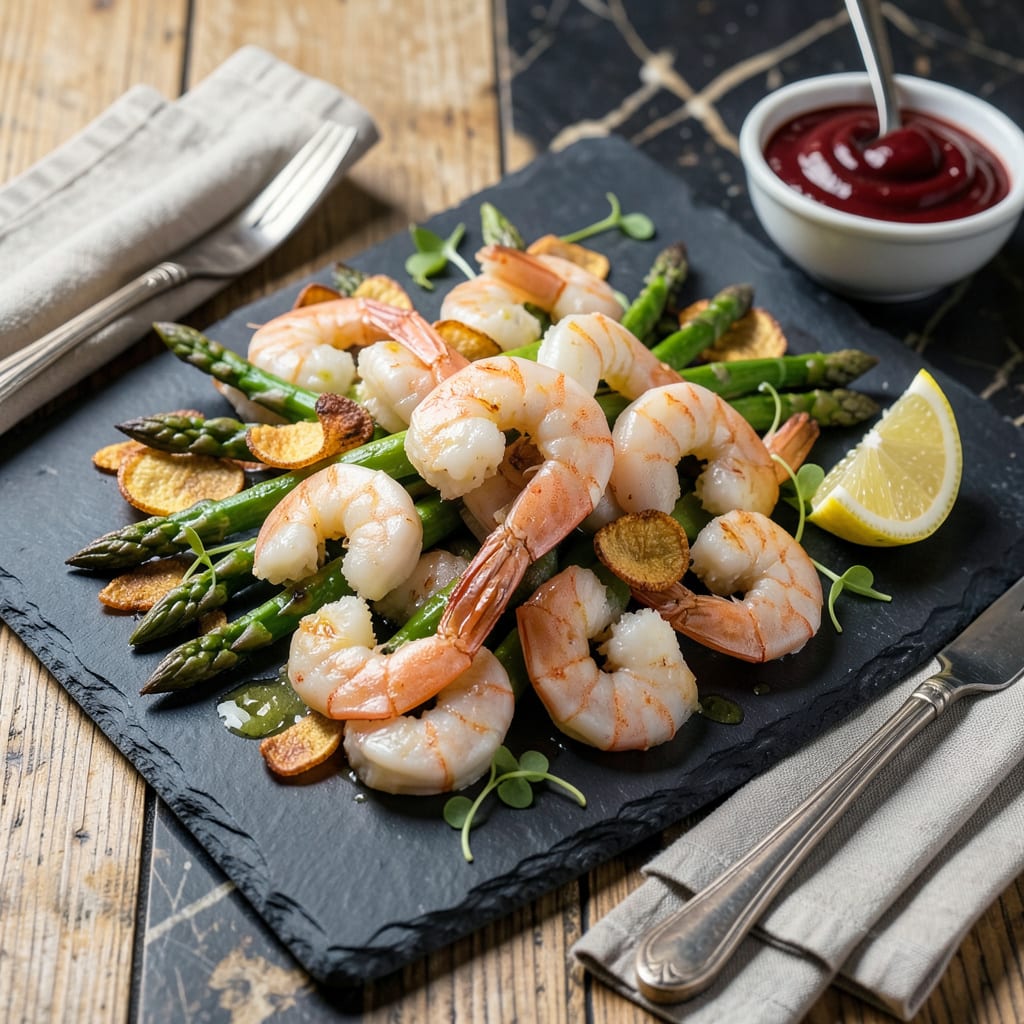
Cooked shrimp stays fresh in the fridge for 3–4 days when stored properly in an airtight container. For longer storage, freeze it within 2 hours of cooking to maintain quality for up to 3 months.
I’ve learned through experience that shrimp’s delicate nature makes it particularly vulnerable to bacteria growth compared to other proteins. The high moisture content creates an ideal environment for spoilage, which is why timing and storage methods are everything. 🔥 When I’m prepping meals ahead, I always portion shrimp into single-serving containers—this minimizes air exposure each time I open the fridge and helps maintain that just-cooked texture.
What many people overlook is the temperature danger zone between 40°F and 140°F, where bacteria multiply rapidly. That’s why I stress the 2-hour rule for refrigeration—whether you’re storing leftovers or prepping for meal prep. ✨ The difference between shrimp that’s safely stored and shrimp that’s risky often comes down to those critical first minutes after cooking.
💡 In This Article
- Why Cooked Shrimp Spoils Quickly in the Fridge
- Best Practices for Storing Cooked Shrimp in the Fridge
Why Cooked Shrimp Spoils Quickly in the Fridge
Shrimp’s rapid spoilage comes down to its biological makeup. These crustaceans contain high levels of trimethylamine oxide (TMAO), an enzyme that breaks down into trimethylamine (TMA)—the compound responsible for that telltale “fishy” smell. Unlike beef or chicken, shrimp has minimal connective tissue, making its proteins more susceptible to bacterial invasion.
The moisture content hovers around 80%, creating a perfect breeding ground for microbes when temperatures fluctuate even slightly above 40°F. 🔥
What really accelerates spoilage is the shrimp’s surface area-to-volume ratio. Those delicate legs and antennae create countless nooks where bacteria like Vibrio and Listeria can colonize. Compare this to salmon fillets—while both are protein-rich, salmon’s denser flesh and lower surface exposure typically give it a 1-2 day advantage in fridge storage.
The difference becomes obvious when you consider that cooked shrimp’s shelf life matches that of cooked crab (3-4 days), while firmer fish like cod can last up to 5 days.
The temperature danger zone (40°F-140°F) is particularly brutal for shrimp because its proteins denature more rapidly than red meat. I’ve seen this firsthand when comparing leftover shrimp to beef in my fridge—after 48 hours, the shrimp’s texture becomes noticeably softer while the beef maintains its structure.
This happens because shrimp’s muscle fibers are held together by weaker bonds that break down faster when exposed to microbial enzymes. ✨
Oxygen exposure plays another critical role. When shrimp is stored in non-airtight containers, the myoglobin in its flesh oxidizes quickly, turning that appetizing pinkish-white color to an unappetizing gray.
This oxidation process also accelerates lipid breakdown, which is why properly stored shrimp maintains its sweet, briny flavor while improperly stored shrimp develops that sharp, ammonia-like tang. The difference is striking—like comparing fresh lemon zest to week-old lemon wedges.
Here’s what most people miss: every time you open the fridge door, the temperature inside can spike by 5-10°F in the areas nearest the door. That’s why I always store shrimp in the coldest part of the fridge—typically the back of the bottom shelf, right above the vegetable crisper where temperatures stay most consistent.
This simple placement can extend freshness by nearly a full day compared to storing it in the door shelves where temperature fluctuations are most dramatic. 💫
The freezing process works differently for shrimp than for other proteins. When frozen within that critical 2-hour window, the cell structure preserves better because the ice crystals form more uniformly.
This is why properly frozen shrimp can maintain its texture for up to 3 months, while beef might only stay optimal for 6-9 months—the shrimp’s higher water content makes it more susceptible to freezer burn over extended periods.
Pro tip from my coastal foraging days: wild-caught shrimp often spoils slightly faster than farm-raised because its diet creates more diverse microbial populations on its surface. That’s why I’m extra vigilant with wild shrimp—sometimes shaving a half-day off the storage time if I notice any initial odor when it goes into the fridge.
The difference might seem subtle, but your taste buds will thank you when that shrimp still tastes sweet and briny days later. ⚡

Trained in classic French technique but raised on slow-cooked ribs and spicy rubs, she blends culinary skill with smoke and soul.
- Recipe for Boneless Pork Chops in Cast Iron Skillet: Sear and Baste to Juicy Perfection - October 3, 2026
- Recipe for Boneless Cross Rib Roast: Slow-Roasted Beef with Herb Crust - October 3, 2026
- Hamburgers in Sauce Recipe Crock Pot: Slow-Cooked Savory Delight - October 3, 2026