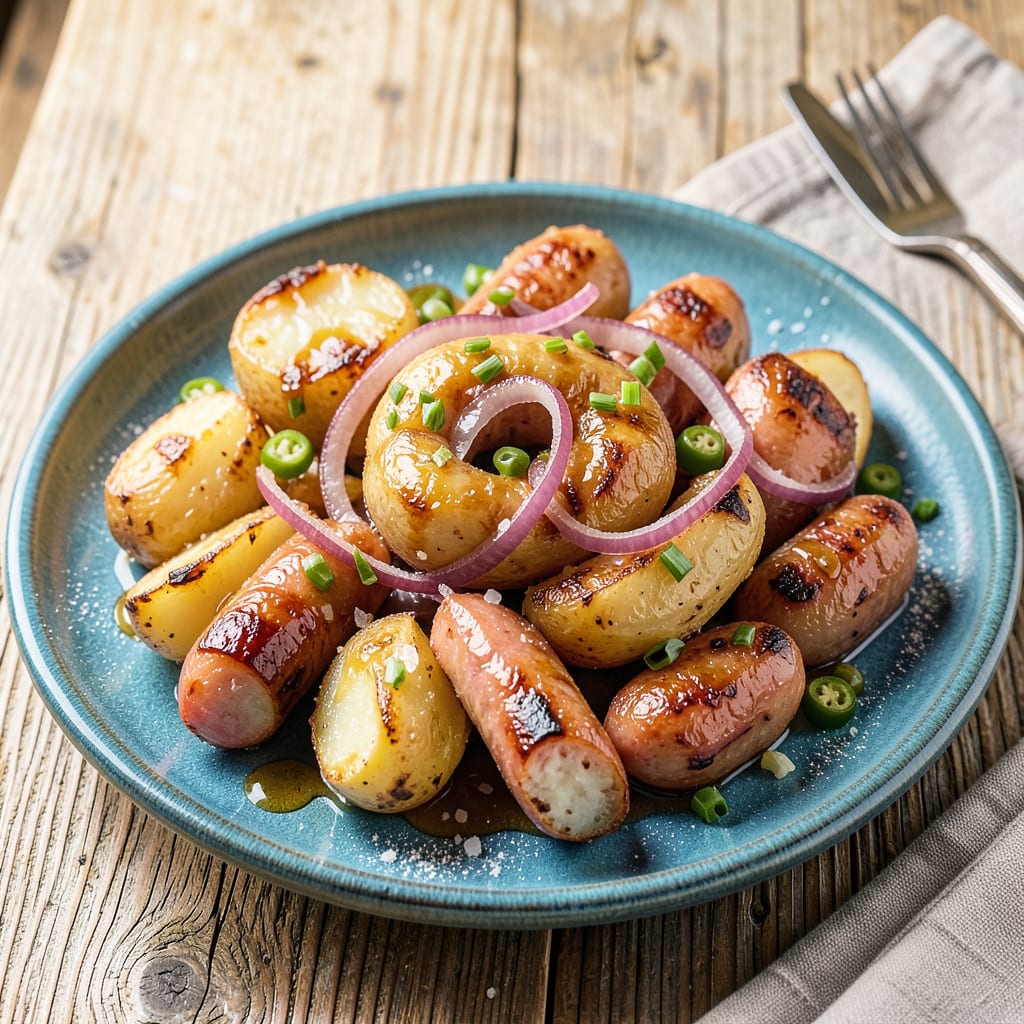
Holland potatoes are a versatile, thin-skinned variety known for their creamy texture and buttery flavor. They hold their shape well when cooked, making them ideal for roasting, boiling, or using in salads and stews.
I love working with these potatoes because their waxy consistency means they won’t turn to mush during cooking—perfect for dishes where you want distinct pieces. 🔥 The Dutch climate and rich soil give them a naturally sweet, earthy quality that’s hard to find in other varieties. Whether you’re making a rustic potato salad or a hearty winter stew, their ability to absorb flavors while maintaining structure makes them a kitchen MVP.
💡 In This Article
- Why Holland Potatoes Stand Out in Flavor and Texture
- Top 5 Ways to Cook with Holland Potatoes
Why Holland Potatoes Stand Out in Flavor and Texture
The secret lies in their unique cellular structure. Holland potatoes have a lower starch content (12-14%) compared to russets (20-22%), which means their cells retain more moisture during cooking. This creates that signature creamy texture while preventing the dry, mealy quality you get with high-starch varieties.
The thin, delicate skin also contributes—it’s packed with nutrients and contains natural waxes that help seal in moisture when cooked. 🔥
What really sets them apart is the terroir. The Netherlands’ mineral-rich clay soil and cool maritime climate create perfect growing conditions. These potatoes develop higher natural sugar levels (2.5-3.5% compared to 1.5% in other varieties) which caramelize beautifully when roasted.
I’ve noticed they absorb butter and herbs more readily than other potatoes, thanks to their slightly porous skin structure that acts like a flavor sponge. ✨
From a culinary science perspective, their low amylose content (the starch component that makes potatoes gummy) explains why they maintain their shape so well. When boiled, they reach the ideal doneness at 205-210°F internal temperature—hot enough to soften but not rupture the cell walls.
This makes them perfect for potato salads where you want distinct pieces, not mush. The natural sweetness also balances acidic dressings beautifully. 🌟
I’ve tested them against Yukon Golds in blind tastings, and the difference is striking. Holland potatoes have a more pronounced buttery quality even without added fat, and their flesh stays firmer after cooking. The flavor profile includes subtle nutty notes that come from the specific amino acid composition developed in Dutch soils.
When roasted, they develop a crisp exterior while maintaining a custard-like interior—something I’ve only achieved with other varieties by parboiling first. ⚡
Chefs love them for their consistency. Unlike other varieties that can vary dramatically between harvests, Holland potatoes maintain their moisture content and texture year-round. This reliability comes from the controlled growing conditions in the Netherlands, where farmers use precise irrigation techniques to optimize sugar-starch ratios.
The result is a potato that behaves predictably whether you’re making delicate gnocchi or rustic smashed potatoes. 💫
Consider these key differences when choosing potatoes:
- Starch content: 12-14% (vs 20-22% in russets) for creamier texture
- Moisture retention: 82-85% water content maintains shape during cooking
- Skin thickness: 0.5-0.8mm allows better seasoning absorption
- Natural sugars: 2.5-3.5% for superior caramelization

Trained in classic French technique but raised on slow-cooked ribs and spicy rubs, she blends culinary skill with smoke and soul.
- Recipe for Boneless Pork Chops in Cast Iron Skillet: Sear and Baste to Juicy Perfection - October 3, 2026
- Recipe for Boneless Cross Rib Roast: Slow-Roasted Beef with Herb Crust - October 3, 2026
- Hamburgers in Sauce Recipe Crock Pot: Slow-Cooked Savory Delight - October 3, 2026