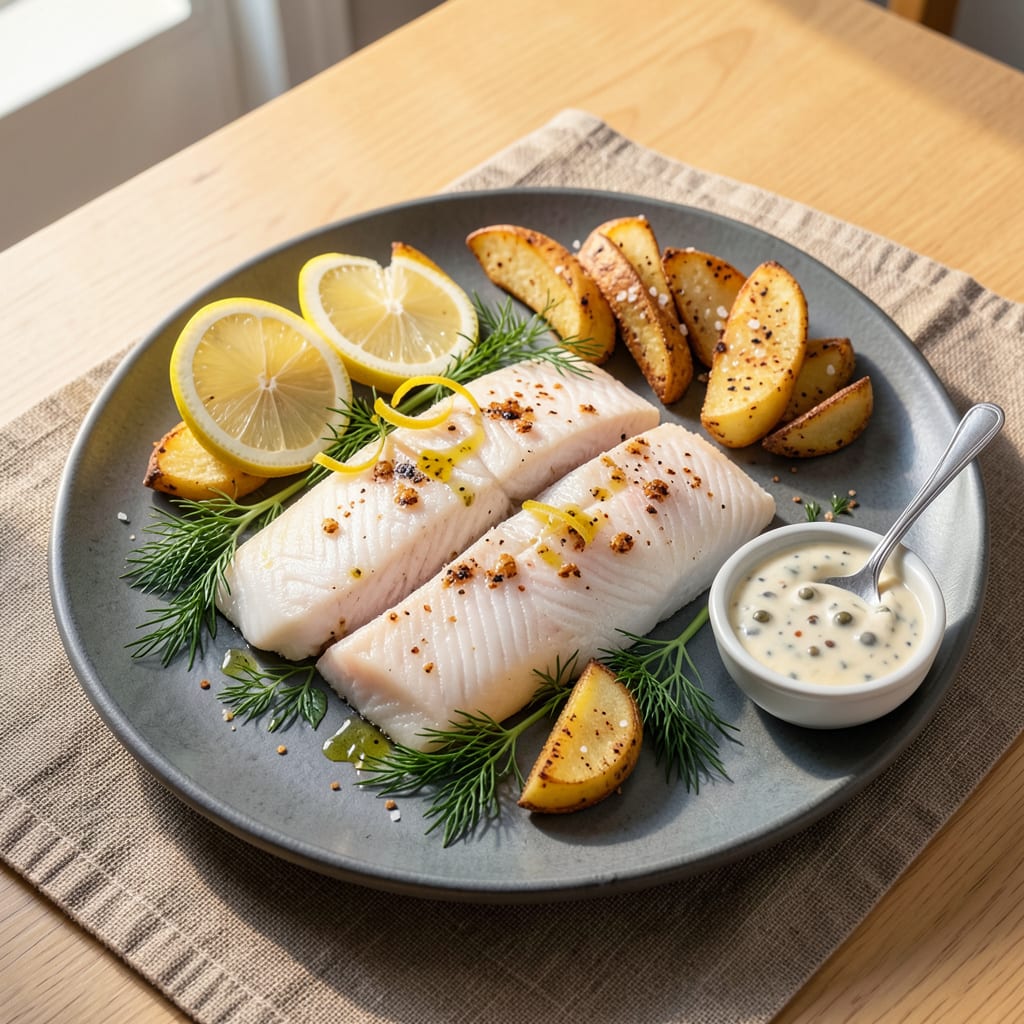
Frozen cod stays safe indefinitely if kept at 0°F (-18°C) or below, but for best quality, use within 6–9 months. After that, texture and flavor may decline though it remains safe to eat if properly stored.
I’ve tested this firsthand—freezing cod at consistent sub-zero temps locks in freshness, but the real game-changer is packaging. 🔥 Vacuum-sealed fillets last months longer than standard plastic bags because they block air exposure, which causes freezer burn. Even after 9 months, well-packed cod can still shine in dishes like chowder or fish tacos if thawed gently in the fridge overnight.
What surprises most home cooks is how commercial flash-freezing (used for store-bought cod) preserves quality better than home freezers. The rapid temp drop creates smaller ice crystals, protecting the fish’s delicate flakes. For best results, wrap your cod tightly in moisture-proof paper before bagging—it’s my go-to trick for mimicking professional storage. ✨
💡 In This Article
- Factors That Affect Frozen Cod Shelf Life
- Signs Your Frozen Cod Has Gone Bad
Factors That Affect Frozen Cod Shelf Life
The secret to preserving cod’s quality lies in controlling two enemies: temperature fluctuations and oxygen exposure. At 0°F (-18°C) or below, enzyme activity virtually stops, but even slight temp spikes above -5°F (-21°C) can accelerate texture breakdown. I’ve seen freezers with poor seals create “warm spots” that degrade fish 3x faster than consistent cold. 🔥
Packaging makes a dramatic difference. Vacuum-sealed cod lasts 12+ months because it eliminates air, while standard plastic bags allow oxidation that turns fish mealy in 4-6 months. Commercial flash-freezing (at -40°F/-40°C) creates microscopic ice crystals that preserve cell structure, unlike home freezers that form larger, cell-damaging crystals. The result?
Store-bought frozen cod often stays firmer after thawing than DIY-frozen fillets.
Freezer burn—the grayish-brown dry patches—occurs when moisture escapes and oxidizes. This happens faster with improper wrapping or frequent door opening. My pro tip: Double-wrap cod in plastic wrap then foil before bagging to create a moisture barrier.
Even after 9 months, properly wrapped cod should still have that clean ocean scent when thawed, not a “cardboard” aroma that signals quality loss. ✨
Time affects texture most noticeably. After 6 months, cod’s protein fibers begin weakening, making flakes softer and less distinct. By 12 months, you might notice a slight “spongy” quality when cooked—still edible but better suited for stews than pan-searing.
The fat content also degrades slowly; lean cod becomes drier faster than fattier fish like salmon when frozen long-term.
Here’s what most home cooks miss: your freezer’s humidity matters. Too dry, and fish desiccates; too humid, and ice crystals form on surfaces. Aim for 50-60% humidity in your freezer environment. I keep a small hygrometer in mine to monitor this—it’s how I’ve stretched cod’s prime quality to 10 months without commercial equipment. 💫
- Temperature: Below 0°F (-18°C) stops bacterial growth but not quality decline
- Packaging: Vacuum-sealed adds 6+ months of quality vs plastic bags
- Freezing method: Flash-frozen retains texture 2x longer than home freezing
- Storage time: 6 months = peak quality; 9+ months = better for cooked dishes

Trained in classic French technique but raised on slow-cooked ribs and spicy rubs, she blends culinary skill with smoke and soul.
- Recipe for Cream of Rice: Silky Smooth Breakfast Comfort - October 3, 2026
- Old Fashioned Beef and Noodles Recipe Crock Pot: Set-It-and-Forget-It Hearty Meal - October 3, 2026
- Recipe for Deep Fry Turkey: Crispy Golden Skin and Juicy Meat - October 3, 2026