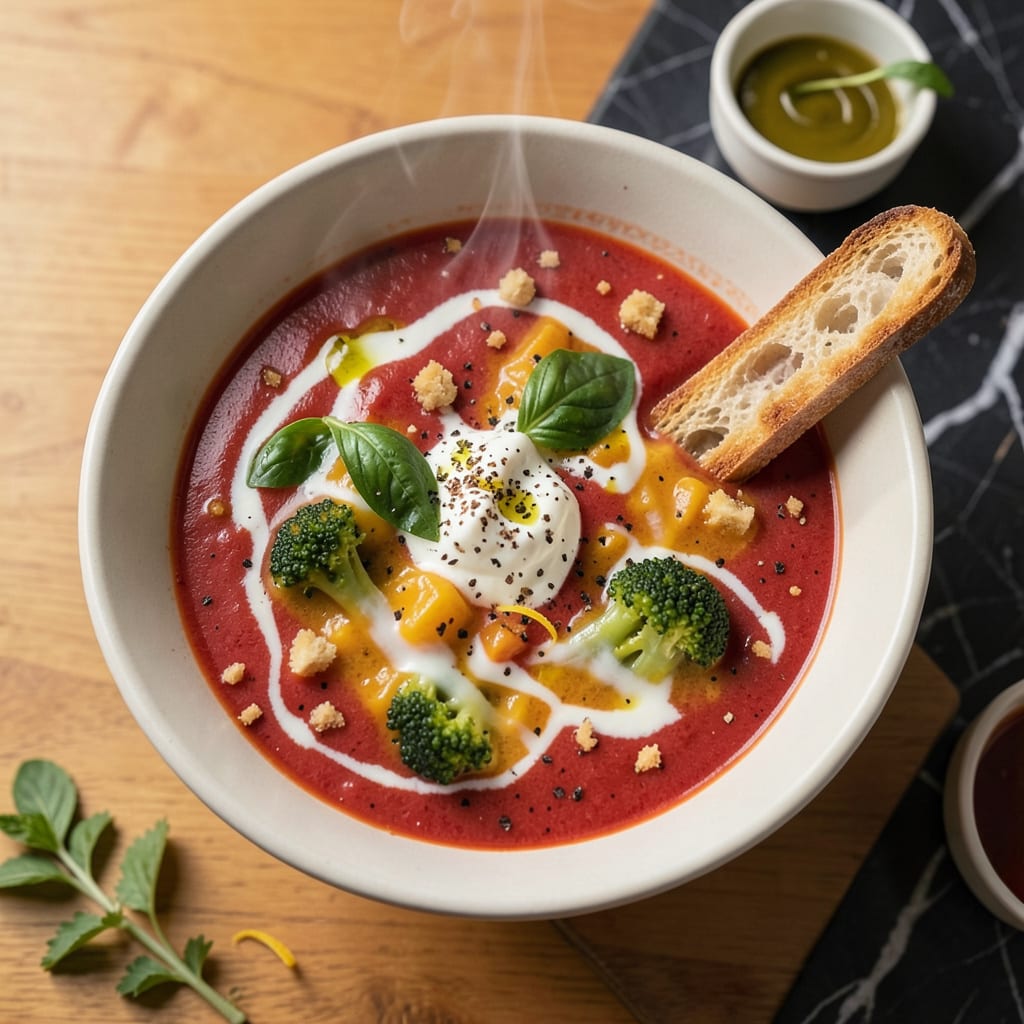
Panera Bread soup stays fresh in the fridge for 3–4 days when stored in an airtight container. For longer storage, freeze it for up to 3 months—just reheat gently to preserve texture and flavor.
I’ve found that the secret to maximizing soup freshness lies in how you handle it after bringing it home. 🔥 The clock starts ticking as soon as it cools down, so transferring it to a sealed container within 2 hours of purchase is critical. Cream-based varieties like broccoli cheddar tend to separate faster than broth-based options, which is why I always recommend giving it a good stir before reheating. For meal prep, freezing in 1-cup portions makes it easy to thaw only what you need without compromising quality.
What many people overlook is that storage times aren’t just about safety—they’re about maintaining that signature Panera taste. ✨ The bread bakery’s soups are designed to be enjoyed fresh, so while freezing extends shelf life, the flavors and textures will gradually soften. I notice the biggest difference in soups with delicate ingredients like spinach or tomatoes, which can become mushy if stored too long.
💡 In This Article
- How Panera Soup Spoilage Works Over Time
- Best Practices for Storing and Reheating Panera Soup
How Panera Soup Spoilage Works Over Time
The 3-4 day fridge window isn’t arbitrary—it’s based on how quickly bacteria multiply in cooked foods. Panera soups, which typically contain proteins (chicken, beef) and sometimes dairy (cream, cheese), create an ideal environment for microbial growth once cooled.
🔥 The USDA’s “danger zone” between 40°F-140°F is where bacteria double every 20 minutes, which is why rapid cooling and proper storage are non-negotiable.
Dairy-based soups like broccoli cheddar or baked potato spoil faster than broth-based options because milk proteins separate and fats oxidize more quickly. I’ve noticed cream soups develop a thin, watery layer on top within 48 hours as emulsions break down.
The pH level matters too—tomato-based soups (acidic) last slightly longer than cream soups (neutral pH), which are more susceptible to bacterial growth like Bacillus cereus or Listeria monocytogenes.
Freezing pauses this process by stopping bacterial growth entirely, but it doesn’t halt chemical reactions. Over 3 months, even at 0°F, you’ll notice texture changes as water crystals form and rupture cell walls in vegetables.
The starches in potatoes or pasta will absorb moisture differently upon thawing, which is why I recommend consuming frozen soup within 2 months for optimal quality. ✨
The spoilage signs are sensory red flags: sour or ammonia-like odors indicate bacterial metabolism, while mold (even small spots) means fungal spores have taken hold. A slimy film on the surface suggests protein breakdown from enzymes or microbes.
I once had a student bring in “questionable” soup where the broth had turned cloudy—that’s lipid oxidation in action, creating rancid compounds you can both smell and taste.
What most people miss is that storage times assume perfect conditions: your fridge should maintain 38°F-40°F consistently, and you should minimize temperature fluctuations by placing soup on middle shelves (not the door).
💫 Commercial kitchens use blast chillers to drop soup temps from 140°F to 40°F in under 2 hours—something to mimic by dividing large batches into shallow containers before refrigerating.
For cream soups, the fat content acts as a preservative to some extent, but it also makes them more prone to absorbing fridge odors. I always store these in glass containers with parchment paper pressed directly on the surface to create an oxygen barrier.
This simple trick extends freshness by about 12 hours in my experience, keeping that just-made richness intact. ⚡
The freezer’s dry environment can cause “freezer burn” on exposed surfaces, which appears as grayish-brown leathery spots. This is dehydration from air exposure, not spoilage per se, but it significantly degrades flavor.
My pro tip: leave 1-inch headspace in containers to account for expansion, then seal with both a lid and plastic wrap for double protection against ice crystal formation.

Trained in classic French technique but raised on slow-cooked ribs and spicy rubs, she blends culinary skill with smoke and soul.
- Recipe for Boneless Pork Chops in Cast Iron Skillet: Sear and Baste to Juicy Perfection - October 3, 2026
- Recipe for Boneless Cross Rib Roast: Slow-Roasted Beef with Herb Crust - October 3, 2026
- Hamburgers in Sauce Recipe Crock Pot: Slow-Cooked Savory Delight - October 3, 2026