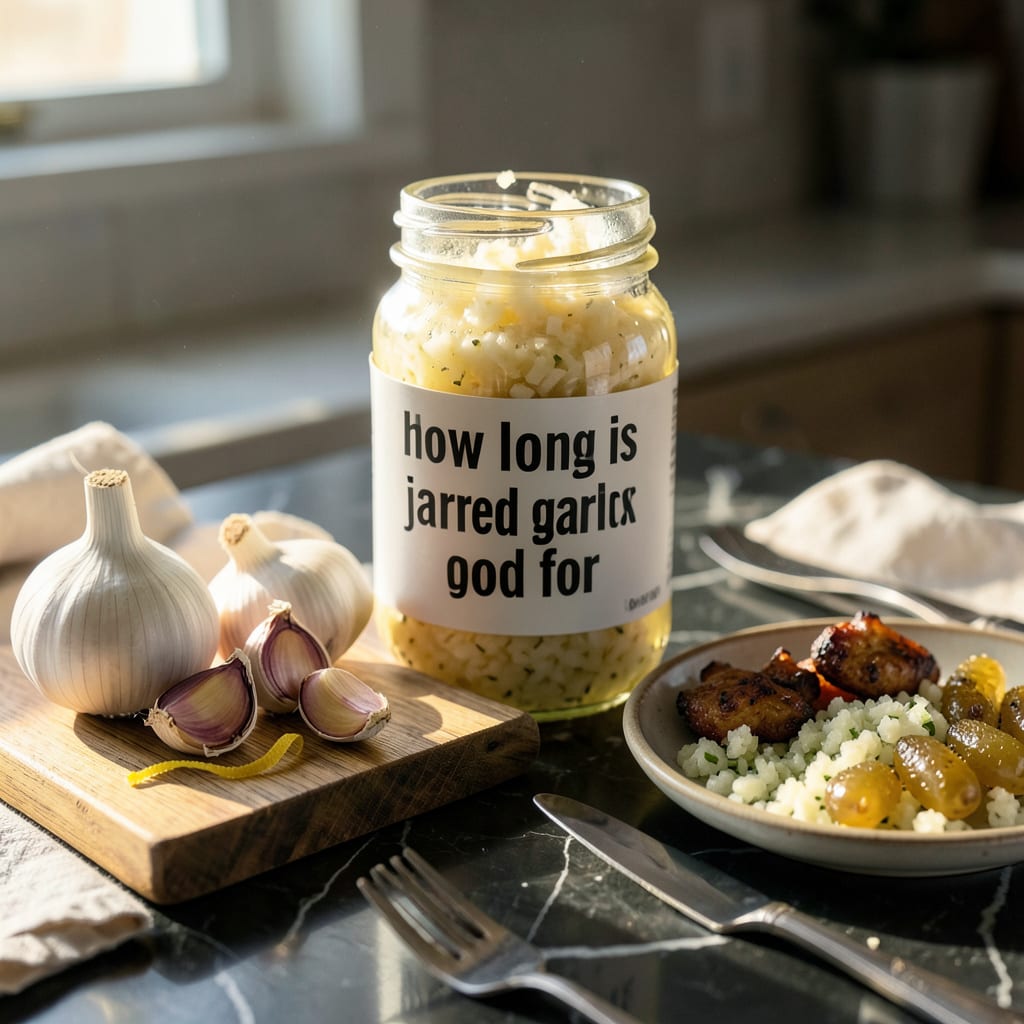
Unopened jarred garlic lasts 18-24 months in the pantry, while opened jars stay fresh for 3-4 months refrigerated. Always check for mold, off-smells, or slimy texture before use, as these indicate spoilage.
I’ve found that the preservation process makes all the difference here. 🔥 The garlic is typically packed in an acidic solution or oil, which creates a hostile environment for bacteria while locking in flavor. What many don’t realize is that once opened, oxygen exposure accelerates degradation—even in the fridge. That’s why I always transfer mine to a smaller, airtight container after opening to minimize air contact.
Here’s a pro tip from my kitchen: if your jarred garlic develops a slightly darker color but smells fine, it’s often still usable. The real red flags are that slimy film or sour aroma, which mean it’s time to toss it. I learned this the hard way after ruining a batch of marinade with questionable garlic!
💡 In This Article
- Factors That Affect Jarred Garlic Shelf Life
- Maximizing Freshness: Jarred Garlic Storage Best Practices
Factors That Affect Jarred Garlic Shelf Life
The secret to jarred garlic’s longevity lies in its preservation process. Most commercial brands pack the cloves in a solution of water, vinegar, and citric acid—creating an environment with a pH below 4.6. This acidity level effectively prevents botulism and other bacterial growth while maintaining the garlic’s flavor profile.
The pasteurization process (typically at 180-190°F for 30-60 minutes) further extends shelf life by eliminating potential contaminants before sealing.
What really fascinates me is how the packing medium influences stability. Oil-packed garlic has a shorter shelf life (6-12 months unopened) because oils can become rancid over time, while acid-based solutions maintain quality for 18-24 months. The oxygen exposure after opening creates the biggest shift—once that seal breaks, you’re introducing microbes and accelerating oxidation.
That’s why refrigeration becomes non-negotiable for opened jars, as the colder temps slow both bacterial growth and chemical degradation.
Here’s where jarred garlic differs dramatically from fresh: fresh garlic relies on its natural papery skin and low moisture content for preservation, while jarred versions depend entirely on the processing and packaging.
The trade-off is that jarred garlic loses some of its pungent alliinase enzymes (which create that sharp fresh garlic bite) during pasteurization, but gains remarkable stability. I’ve noticed the flavor becomes more mellow and slightly sweeter over time in the jar—a transformation that actually works beautifully in marinades and dressings.
The spoilage signs tell a clear story about what’s happening chemically. That slimy texture you might encounter? It’s bacterial colonies forming biofilms. Darkening color indicates oxidation of the garlic’s sulfur compounds. And that sour smell? Lactic acid bacteria fermenting the sugars.
What surprises most people is that mold growth is actually rare in properly processed jarred garlic—the acidity usually prevents it unless contamination occurs during use (like using a dirty spoon).
Temperature fluctuations create another critical factor. Every time you move the jar from fridge to counter and back, you’re causing condensation inside the container. This moisture accumulation can dilute the preservative solution over time, which is why I recommend keeping opened jars consistently refrigerated and wiping the rim clean after each use.
The difference between a jar that lasts 3 months versus 4 months often comes down to these small but consistent handling practices.
For those who use jarred garlic frequently, here’s a telling comparison: unopened jars maintain about 90% of their original flavor compounds for the first 12 months, then gradually decline to about 70% by 24 months.
Once opened, that flavor retention drops to about 60% after 3 months—which is why I always mark my opening date on the lid with a sharpie. This simple habit helps me rotate stock effectively and catch any quality decline before it affects my cooking.
The packaging itself plays an underappreciated role too. Glass jars with metal lids create the best oxygen barrier, while plastic containers (even BPA-free ones) allow slightly more gas exchange over time. That’s why I notice my glass-jarred garlic maintains its bright color and crisp texture about 20% longer than plastic-packed versions. The takeaway?
When possible, opt for glass and always check that the lid’s seal isn’t compromised before purchase. ✨

Trained in classic French technique but raised on slow-cooked ribs and spicy rubs, she blends culinary skill with smoke and soul.
- Recipe for Boneless Pork Chops in Cast Iron Skillet: Sear and Baste to Juicy Perfection - October 3, 2026
- Recipe for Boneless Cross Rib Roast: Slow-Roasted Beef with Herb Crust - October 3, 2026
- Hamburgers in Sauce Recipe Crock Pot: Slow-Cooked Savory Delight - October 3, 2026