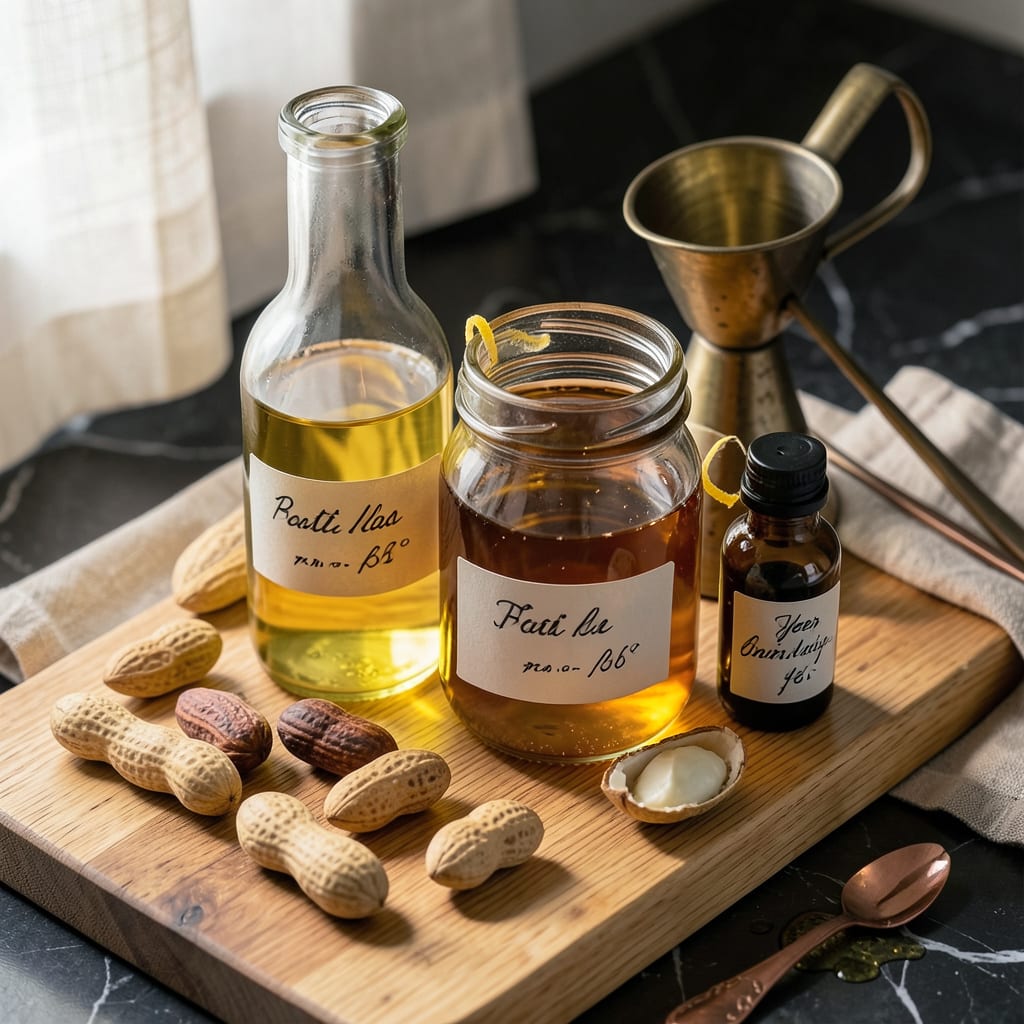
Unopened peanut oil lasts 12–24 months in the pantry, while opened oil stays fresh for 6–12 months if stored properly in a cool, dark place. Refrigeration extends shelf life after opening, but freezing isn’t recommended.
I’ve learned through years of frying and sautéing that peanut oil’s longevity depends heavily on how you handle it. 🔥 The moment you crack open that bottle, oxygen and light become its worst enemies—accelerating rancidity faster than you’d expect. That’s why I always transfer mine to a tinted glass bottle if it didn’t come in one, and keep it tucked away from the stove’s heat. What surprises most people is that refrigeration can nearly double its usable life after opening, though you’ll want to let it warm slightly before using it for high-heat cooking.
💡 In This Article
- Factors Affecting Peanut Oil Shelf Life and Spoilage
- Best Storage Practices to Extend Peanut Oil Freshness
Factors Affecting Peanut Oil Shelf Life and Spoilage
Peanut oil degrades primarily through oxidation—a chemical reaction where oxygen molecules attack the oil’s fatty acids. This process accelerates dramatically when exposed to light, heat, or metal containers.
🔥 Unrefined peanut oil (with its natural antioxidants) lasts about 3-6 months after opening, while refined versions (processed to remove impurities) can stretch to 12 months because they’re more stable.
The refining process strips away some natural antioxidants but also removes particles that could speed up spoilage. Think of it like this: refined oil is like distilled water—cleaner but less protected. Light exposure is particularly damaging because UV rays trigger photo-oxidation, creating off-flavors in as little as 2-3 weeks if left on a sunny counter.
That’s why commercial kitchens store bulk oil in stainless steel containers.
Temperature plays a huge role too. Every 18°F (10°C) increase in storage temperature can double the oxidation rate. I once left a bottle near my stove (where temps hit 90°F/32°C) and it turned rancid in just 4 months. The oil developed that telltale paint-like smell and bitter taste that ruins any dish.
Refrigeration slows this dramatically by keeping the oil at a steady 40°F/4°C.
Here’s what to watch for: fresh peanut oil has a mild, slightly nutty aroma. Rancid oil smells like old paint or crayons and tastes harshly bitter. The texture may also thicken slightly as polymerization occurs.
Unrefined peanut oil (often called “gourmet” or “cold-pressed”) spoils faster because it retains more of the peanut particles that can go rancid, but it offers superior flavor for dressings and low-heat cooking.
Antioxidants naturally present in peanut oil (like vitamin E) help fight oxidation, which is why some manufacturers add extra tocopherols. These act like tiny shields protecting the oil molecules. 🛡️ However, once opened, these antioxidants get used up over time—another reason why proper sealing matters so much.
I always squeeze out excess air before recapping my bottles.
The container material affects longevity too. Dark glass blocks 95% of UV light versus clear glass’s 10%, while plastic can leach chemicals if not food-grade. Metal containers are ideal but rare for home use. My pro tip?
If your oil comes in clear plastic, transfer it to a dark glass bottle immediately—this simple step can add 2-3 months to its life.
Remember that every time you open the bottle, you’re introducing fresh oxygen. That’s why restaurant kitchens use airtight dispensing systems. For home cooks, choosing the right container and minimizing air exposure makes all the difference between oil that lasts 6 months and oil that goes bad in 3.

Trained in classic French technique but raised on slow-cooked ribs and spicy rubs, she blends culinary skill with smoke and soul.
- Recipe for Boneless Pork Chops in Cast Iron Skillet: Sear and Baste to Juicy Perfection - October 3, 2026
- Recipe for Boneless Cross Rib Roast: Slow-Roasted Beef with Herb Crust - October 3, 2026
- Hamburgers in Sauce Recipe Crock Pot: Slow-Cooked Savory Delight - October 3, 2026