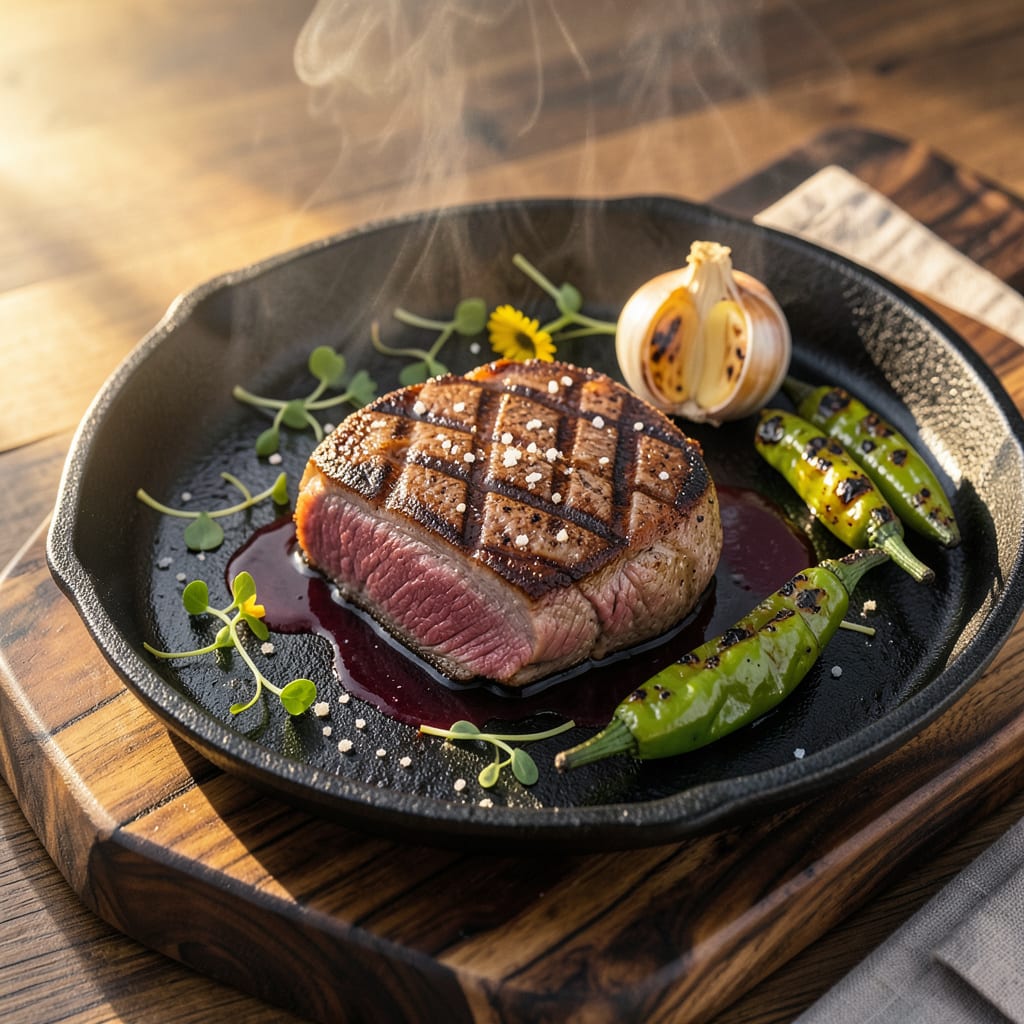
For a 1-1.5 inch thick filet mignon on a 400°F grill, cook 4-5 minutes per side for medium-rare (130-135°F internal temp). Adjust 1-2 minutes per side for rarer or more well-done preferences, always using a meat thermometer for precision.
This timing creates that perfect balance between a caramelized crust and tender interior. 🔥 I’ve found that 400°F hits the sweet spot—hot enough for a good sear without burning the exterior before the center reaches ideal doneness. The thickness matters because heat penetrates at about 1/4 inch per minute, so thicker cuts need more patience. Always let your steak rest 5-10 minutes after grilling; this lets juices redistribute for maximum tenderness.
💡 In This Article
- Why Grill Temperature and Timing Matter for Filet Mignon
- Pro Grilling Tips for Perfect Filet Mignon at 400°F
Why Grill Temperature and Timing Matter for Filet Mignon
At 400°F, your grill creates the perfect environment for two critical reactions: the Maillard reaction and caramelization. The Maillard reaction occurs when amino acids and reducing sugars combine under heat, producing that rich, complex crust we crave.
This temperature is hot enough to trigger this process quickly without burning the exterior before the interior cooks through. What’s fascinating is that filet mignon’s lower fat content (compared to ribeye) makes it particularly sensitive to temperature control—too hot and it dries out, too cool and you lose that signature sear. 🔥
The science of heat transfer explains why thickness matters so much. A 1-inch thick filet will cook through in about 8-10 minutes total at this temperature, while a 1.5-inch cut needs closer to 12-14 minutes.
Heat penetrates meat at roughly 1/4 inch per minute, so each additional quarter-inch adds about 2 minutes to your total cooking time. Starting with room-temperature meat (about 68-72°F) ensures even cooking—cold steaks develop a gradient where the outside overcooks before the center reaches temperature. ✨
Here’s where carryover cooking becomes crucial. When you pull your steak off at 130°F for medium-rare, it will continue rising 5-10°F during resting due to residual heat. This phenomenon occurs because the outer layers stay hotter than the center, and heat gradually equalizes throughout the meat.
I’ve seen many home cooks overcook their filets by not accounting for this—what looks perfect on the grill becomes overdone by the time it hits the plate. 🌟
The grill’s surface temperature also plays a role in that coveted crust development. At 400°F, you’re in the ideal range for creating fond (those delicious browned bits) without charring. The grill grates should be screaming hot before the steak hits them—this creates instant contact searing.
What most people don’t realize is that filet mignon’s tender texture comes from its location in the tenderloin muscle, which does little work, making it particularly susceptible to overcooking. ⚡
Consider how the grill environment affects cooking: direct heat zones will sear faster than indirect areas. On my vintage charcoal grill, I maintain 400°F by arranging coals in a two-zone setup—searing over direct heat, then finishing over indirect if needed.
Gas grills often have hot spots, so I recommend rotating your steak 90 degrees halfway through each side’s cooking time for even doneness. The difference between a perfectly cooked filet and a disappointing one often comes down to these small temperature management details. 💫
Remember that altitude affects boiling points and heat transfer. At higher elevations (like my coastal rides through the mountains), water boils at lower temperatures, which means your steak might cook slightly faster. For every 1,000 feet above sea level, expect about a 1°F decrease in effective cooking temperature.
This is why I always recommend using that meat thermometer—it accounts for all these variables automatically. 💛
The final sensory test comes when you slice into it. A perfectly cooked filet should glisten with juices, offer minimal resistance to your knife, and have that gradient from caramelized crust to rosy center. The aroma should be rich and meaty with just a hint of smokiness from the grill.
When you’ve nailed the temperature and timing, every bite delivers that buttery tenderness filet mignon is famous for—no sauce required. 🌟

Trained in classic French technique but raised on slow-cooked ribs and spicy rubs, she blends culinary skill with smoke and soul.
- Recipe for Boneless Pork Chops in Cast Iron Skillet: Sear and Baste to Juicy Perfection - October 3, 2026
- Recipe for Boneless Cross Rib Roast: Slow-Roasted Beef with Herb Crust - October 3, 2026
- Hamburgers in Sauce Recipe Crock Pot: Slow-Cooked Savory Delight - October 3, 2026