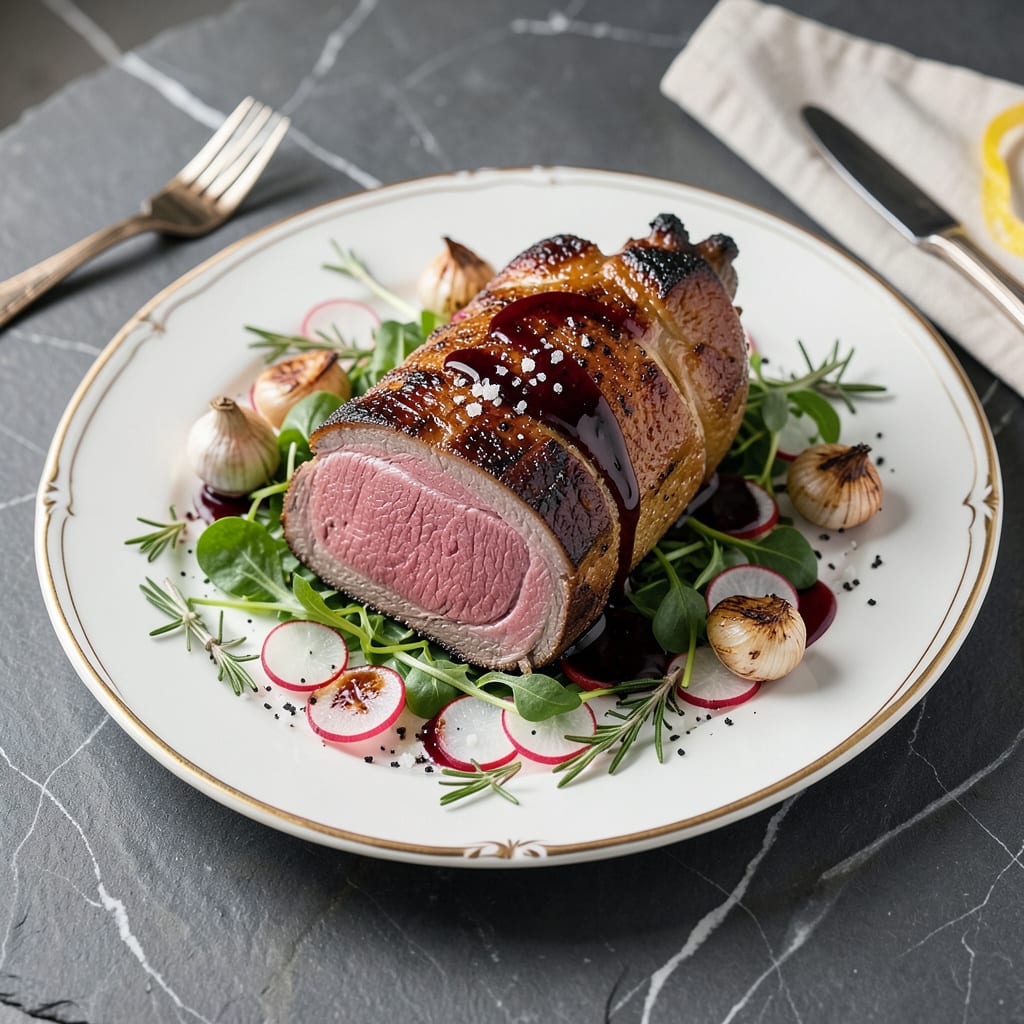
Beef tenderloin typically costs between $20 to $40 per pound, with whole tenderloins (4-6 lbs) averaging $150-$300. Prices vary by grade (Prime vs Choice), organic status, and retailer discounts.
I’ve noticed tenderloin pricing can feel overwhelming when you’re planning a special meal. The price gap between Prime and Choice grades often surprises people—Prime cuts can run 30-50% higher due to their superior marbling and tenderness. 🔥 What many don’t realize is that holiday seasons (especially December) can drive prices up by 20% or more, while post-holiday January often brings unexpected discounts at local butcher shops.
From my experience working with butchers, the untrimmed “peeled” tenderloins offer the best value—they require a bit more prep work but save you $5-$10 per pound. I always check the fat cap thickness too; a thicker cap means more usable meat after trimming. The organic vs conventional debate also plays a role here, with certified organic options typically adding $8-$12 per pound to your total cost.
💡 In This Article
- Factors That Influence Beef Tenderloin Pricing
- Where to Buy Beef Tenderloin for the Best Value
Factors That Influence Beef Tenderloin Pricing
The USDA grading system plays the biggest role in price differences. Prime grade tenderloins command premium pricing because they must meet strict marbling requirements—at least 8-13% intramuscular fat compared to Choice‘s 4-10%. This marbling translates directly to tenderness and flavor, which is why Prime cuts often cost $10-$15 more per pound than Choice.
The grading process involves trained inspectors evaluating ribeye samples at the 12th rib, making it a precise science. 🔥
Organic certification adds another layer of cost. USDA Organic beef requires cattle to be raised on 100% organic feed without antibiotics or hormones, with access to pasture. This process takes 20-30% longer than conventional raising, driving up feed costs and labor.
I’ve seen organic tenderloins priced $8-$12 higher per pound than conventional counterparts, with the price gap widening during drought years when organic feed becomes scarcer. The certification process itself adds $0.50-$1.00 per pound in administrative costs.
Seasonal demand creates dramatic price swings. December holidays can inflate prices by 20-25% as restaurants and home cooks compete for limited supplies. Conversely, January often brings 10-15% discounts as suppliers clear holiday inventory.
Regional differences matter too—Midwestern states near cattle operations typically see $3-$5 lower per pound prices than coastal areas due to reduced transportation costs. I once saved $80 on a whole tenderloin by ordering from a Kansas City processor during an East Coast winter storm. ✨
The cut’s preparation state significantly impacts cost. A fully trimmed, “PSMO” (peeled, side muscle on) tenderloin costs $5-$10 more per pound than untrimmed because butchers charge for their labor. Bone-in versions appear cheaper by weight but yield 15-20% less usable meat after removing the backbone.
The “butcher’s cut” (with side muscles attached) offers the best value for skilled home cooks willing to do their own trimming—you’re essentially paying for the raw weight rather than the butcher’s time.
Bulk purchasing creates surprising economies of scale. A whole 10-12 pound tenderloin might cost $18-$22 per pound, while individual 1-pound filets from the same animal sell for $28-$35 per pound. This price difference comes from processing costs and the premium for convenience.
I recommend teaming up with friends to split a whole tenderloin—you’ll get the best price per pound while still enjoying restaurant-quality cuts. The key is finding a butcher who will custom-cut your bulk purchase for free, which many will do to earn your future business. 💫
Packaging and aging methods create hidden cost factors. Dry-aged tenderloins develop more complex flavors but lose 15-20% of their weight through moisture evaporation, which gets factored into the price. Vacuum-sealed, wet-aged cuts retain more weight but require precise temperature control during shipping.
Some high-end purveyors even charge extra for specialized aging processes like ultraviolet light treatment, which can add $2-$4 per pound but supposedly enhances tenderness through enzymatic breakdown.
What most shoppers overlook is the impact of cattle breed on pricing. Wagyu-beef crossbreeds can command $50-$100 per pound for tenderloin due to their genetic predisposition for intense marbling. Even within conventional breeds, Black Angus tenderloins often cost $2-$3 more per pound than Hereford because of their consistent marbling patterns.
The breed differences become particularly noticeable in the tenderloin’s tail end, where Angus maintains better texture than other breeds. 🌟

Trained in classic French technique but raised on slow-cooked ribs and spicy rubs, she blends culinary skill with smoke and soul.
- Recipe for Boneless Pork Chops in Cast Iron Skillet: Sear and Baste to Juicy Perfection - October 3, 2026
- Recipe for Boneless Cross Rib Roast: Slow-Roasted Beef with Herb Crust - October 3, 2026
- Hamburgers in Sauce Recipe Crock Pot: Slow-Cooked Savory Delight - October 3, 2026