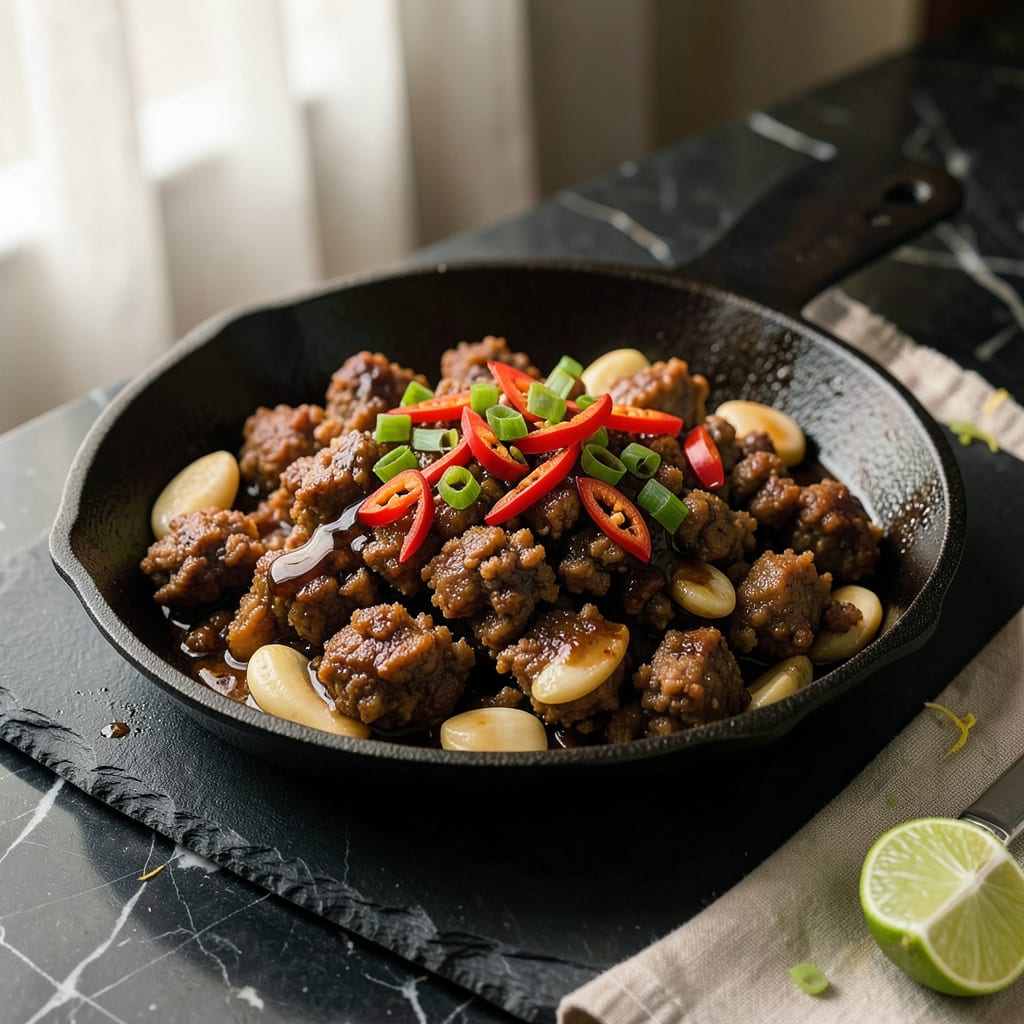
Ground pork should cook for 5-7 minutes on medium-high heat until fully browned and reaches an internal temperature of 160°F (71°C). Stir frequently to ensure even cooking and prevent burning.
I’ve found that the key to nailing this timing lies in the pork’s fat content—leaner mixes cook faster but risk drying out, while fattier blends need extra stirring to avoid grease pockets. 🔥 The 160°F threshold isn’t arbitrary; it’s the magic number where harmful bacteria die off while keeping the meat juicy. What surprises most home cooks is how quickly pork can go from perfectly browned to overcooked—those final 30 seconds make all the difference.
My pro tip: Use a cast-iron skillet for even heat distribution, and don’t crowd the pan—this lets the pork sear properly instead of steaming. The sizzle sound should stay consistent; if it fades, your heat’s too low. ✨
💡 In This Article
- Why Ground Pork Requires Precise Cooking Times
- Pro Tips for Perfectly Cooked Stovetop Ground Pork
Why Ground Pork Requires Precise Cooking Times
The 160°F (71°C) target isn’t just a random number—it’s the temperature where trichinella parasites (once common in pork) are instantly destroyed. These microscopic worms can survive at lower temps, which is why pork historically required thorough cooking.
Modern farming has reduced trichinella risks, but the 160°F standard remains crucial for eliminating other bacteria like salmonella and E. coli that might contaminate during grinding. 🔥
Here’s what most home cooks miss: color alone lies. Pork can turn brown at just 140°F (60°C) due to myoglobin reactions, while harmful pathogens may still linger. The fat content dramatically affects timing—80/20 pork (80% lean) takes about 6-7 minutes to reach temp, while 90/10 might hit it in 4-5 minutes but risks dryness.
The fat renders differently, creating temperature pockets in the pan.
The protein structure changes dramatically between 150°F and 160°F. Below the target, collagen hasn’t fully broken down, leaving meat rubbery. At exactly 160°F, the muscle fibers contract just enough to expel moisture while keeping the fat emulsified—this is the sweet spot where texture stays tender.
Go just 5°F higher, and you’ll start squeezing out juices, making the pork mealy.
Ground pork’s surface area-to-volume ratio means it cooks 3-4 times faster than whole cuts. A 1-inch pork chop might need 12-15 minutes, but ground pork’s tiny particles expose more protein to heat. This is why constant stirring matters—it prevents the outer layers from overcooking while waiting for the center to reach temp. ✨
What I’ve observed in my test kitchen: pork with added breadcrumbs or eggs (like for meatballs) often needs an extra 1-2 minutes because the binders insulate the meat. The moisture from these ingredients also creates steam, which can falsely suggest doneness before the internal temp is safe.
Always verify with a probe thermometer in the thickest part.
Pro tip from my French training: the “carryover cooking” effect adds about 3-5°F after you remove pork from heat. If you pull it at exactly 160°F, it’ll likely hit 163-165°F while resting—still safe but potentially drier. For dishes where the pork cooks further (like in sauces), I aim for 155-158°F initially. 💫

Trained in classic French technique but raised on slow-cooked ribs and spicy rubs, she blends culinary skill with smoke and soul.
- Recipe for Boneless Pork Chops in Cast Iron Skillet: Sear and Baste to Juicy Perfection - October 3, 2026
- Recipe for Boneless Cross Rib Roast: Slow-Roasted Beef with Herb Crust - October 3, 2026
- Hamburgers in Sauce Recipe Crock Pot: Slow-Cooked Savory Delight - October 3, 2026