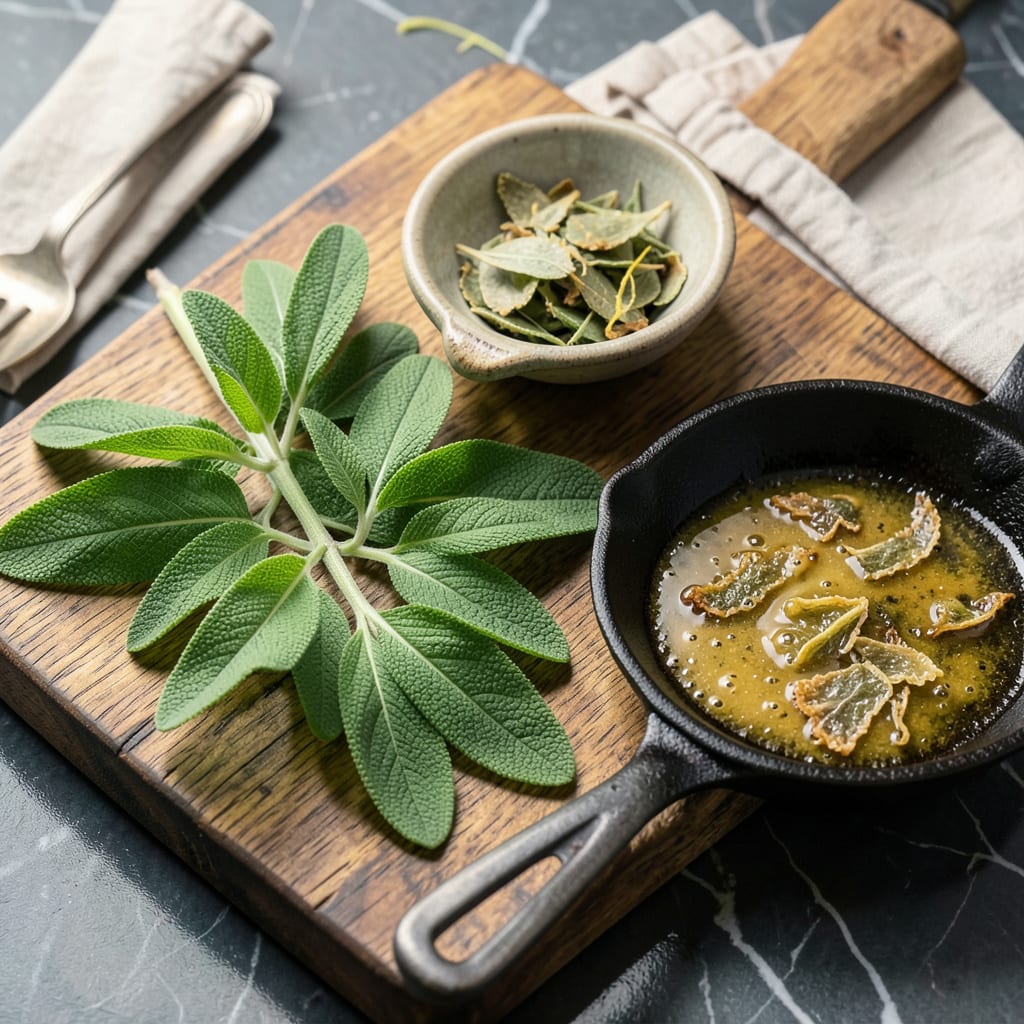
A sprig of sage typically refers to a single stem with 4-6 leaves attached, measuring about 4-6 inches long. For recipes, this usually equals 1-2 teaspoons of fresh chopped leaves or ½ teaspoon dried.
I’ve found that understanding this measurement is crucial for balancing flavors in dishes. 🌿 When I’m foraging wild sage along the coast, I notice the sprigs can vary slightly in size depending on the plant’s age—younger plants tend to have smaller leaves. For home cooks, this means you might need to adjust slightly based on what’s available at your local market or garden. The key is focusing on the leaf count rather than exact stem length, as that’s what most recipes are actually measuring for.
💡 In This Article
- Understanding Sage Sprig Measurements in Cooking
- Converting Fresh Sage Sprigs to Dried or Ground
Understanding Sage Sprig Measurements in Cooking
When a recipe calls for a sprig of sage, it’s referring to a specific botanical structure: a single stem with its attached leaves. The standard measurement comes from culinary tradition where 4-6 leaves still connected to a 4-6 inch stem became the accepted norm.
This measurement developed because it provides enough aromatic surface area to infuse flavor without overpowering dishes. The leaves on a mature sage plant typically measure 1.5-2 inches long and 0.75-1 inch wide, creating that perfect balance of surface area to volume.
What most home cooks don’t realize is that plant maturity significantly affects sprig size. Young sage plants produce smaller leaves (about 1 inch long) on thinner stems, while mature plants can have leaves up to 3 inches long.
For visual reference, a standard sprig should be about the length of a credit card’s short side, with leaves roughly the size of a nickel. The weight varies too – a fresh sprig typically weighs 0.1-0.2 ounces, though this isn’t how recipes measure it. 🌱
The reason recipes use sprigs rather than precise weights is practicality. Sage leaves contain volatile oils that provide flavor, and the sprig measurement ensures consistent oil content. When I’m foraging wild sage along the coast, I notice the oil concentration is highest in the morning – that’s when the leaves feel slightly sticky to touch.
This natural variation is why professional kitchens often measure by sprig count rather than weight, as the oil content matters more than the physical mass.
For home cooks without access to fresh sage, understanding this measurement helps with substitutions. A single sprig’s flavor potential equals about 1 teaspoon of finely chopped fresh leaves or ½ teaspoon of dried.
The difference comes from how the leaves release their oils – whole sprigs infuse gradually during cooking, while chopped leaves release flavor immediately. This is why you’ll often see recipes call for removing whole sprigs after cooking but keeping chopped sage in the dish.
Here’s what’s actually happening when you use a sprig: The heat causes the essential oils in the leaves to vaporize and infuse into your dish. A standard sprig contains about 0.5-1% essential oil by weight, with the primary compounds being thujone, camphor, and cineole. These compounds give sage its distinctive piney, slightly peppery flavor.
The stem itself contains less oil but helps maintain the leaf structure during cooking, which is why we keep it attached in sprig form.
When I’m teaching cooking classes, I demonstrate the proper way to handle sage sprigs by comparing them to rosemary sprigs – both are woody herbs but with different leaf structures. Sage leaves are broader and more delicate than rosemary’s needle-like leaves, which affects how they release flavor.
This structural difference is why you’ll often see recipes call for whole sage sprigs to be removed after cooking (as they can become bitter if overcooked), while rosemary sprigs are often left in dishes. ✨
The next time you’re at the market, examine the sage bunches carefully. Look for sprigs where the leaves are uniformly sized and firmly attached to the stem. Avoid bunches with yellowing leaves or woody stems thicker than 1/8 inch, as these indicate older plants with less flavor.
Remember that in cooking, the sprig measurement is about flavor potential, not just physical quantity – and that’s why this traditional measurement has stood the test of time in professional kitchens worldwide.

Trained in classic French technique but raised on slow-cooked ribs and spicy rubs, she blends culinary skill with smoke and soul.
- Recipe for Boneless Pork Chops in Cast Iron Skillet: Sear and Baste to Juicy Perfection - October 3, 2026
- Recipe for Boneless Cross Rib Roast: Slow-Roasted Beef with Herb Crust - October 3, 2026
- Hamburgers in Sauce Recipe Crock Pot: Slow-Cooked Savory Delight - October 3, 2026