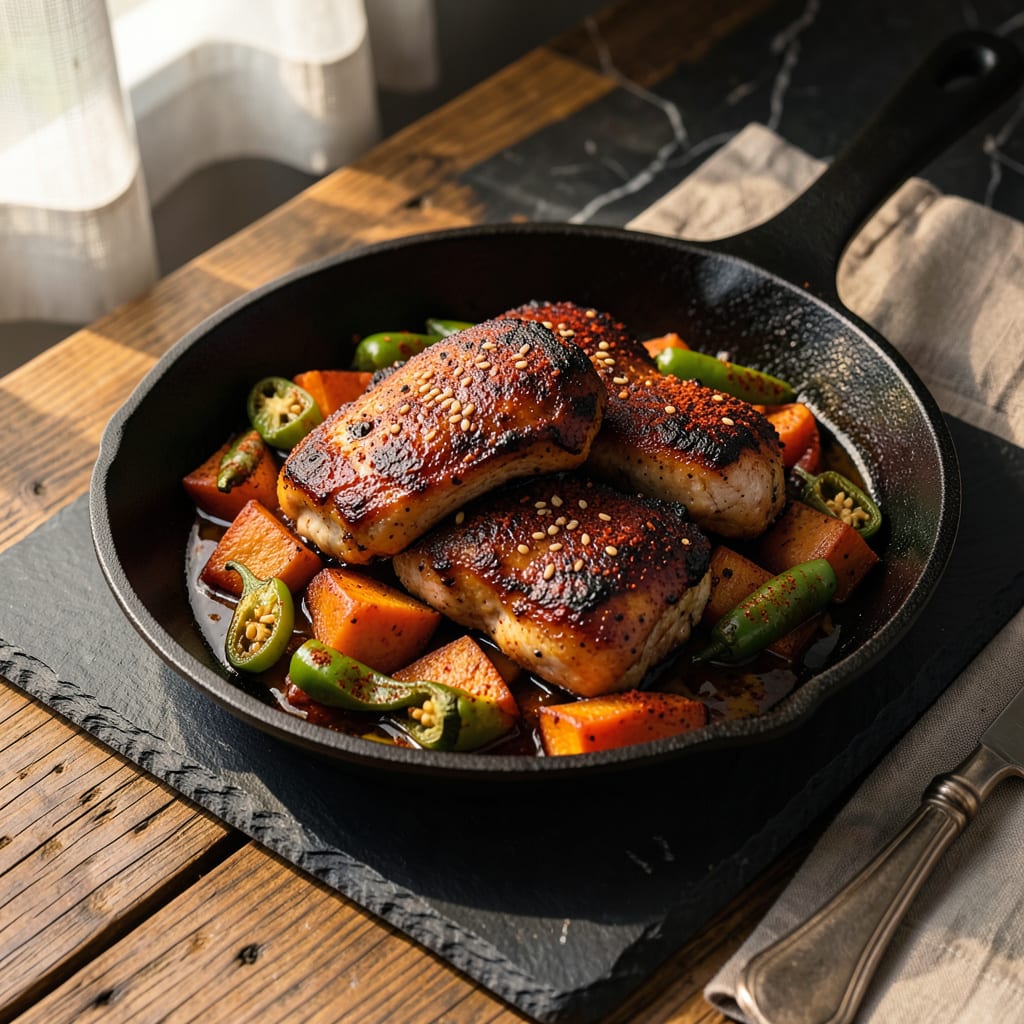
Using more than 1 tablespoon of paprika per pound of meat or 1 teaspoon per cup of liquid can overpower flavors. Smoked varieties are stronger—start with half the amount and adjust to avoid bitterness or overwhelming spice.
I’ve learned the hard way that paprika’s potency varies dramatically by type. Sweet paprika adds warmth and color, while smoked versions pack a punch that can dominate a dish if you’re heavy-handed. 🔥 The key is gradual addition—taste as you go, especially with delicate proteins like fish or eggs where flavors concentrate. Remember, paprika’s oils intensify during cooking, so what seems mild raw can become overpowering after heat transforms it.
What many home cooks overlook is paprika’s dual role as both seasoning and coloring agent. A little goes a long way in visual impact, which is why professional kitchens often use it sparingly. ✨ My rule of thumb: when in doubt, halve the amount and build up. You can always add more, but you can’t take it out once it’s overwhelmed your dish.
💡 In This Article
- Why Overusing Paprika Can Ruin Your Dish
- Balancing Paprika in Recipes: Pro Tips for Perfect Flavor
Why Overusing Paprika Can Ruin Your Dish
Paprika’s power comes from its complex chemistry. The spice contains capsaicin (even in mild varieties) and volatile oils that intensify with heat. When you exceed 1 tablespoon per pound of meat, these compounds overwhelm your taste buds by triggering heat receptors.
The oils also become more concentrated during cooking, creating a bitter aftertaste that lingers unpleasantly. 🔥
Different paprika types pack vastly different punches. Sweet Hungarian paprika contains about 0.1% capsaicin, while smoked Spanish varieties can have 0.5% or more. That fivefold difference means using the same amount of smoked paprika as sweet could make your dish inedibly harsh.
The smoking process also adds phenolic compounds that create a tarry bitterness when overused, similar to how burnt wood tastes in poorly balanced BBQ.
Color saturation becomes another issue with excess paprika. The spice’s vibrant red pigments come from carotenoids that can turn your dish unnaturally orange-red. I’ve seen stews that looked like pumpkin soup and chicken rubs that resembled sunburnt skin—both visual red flags that the flavor balance is off.
These pigments also bind to proteins during cooking, making the color (and flavor) impossible to remove once applied. ✨
The texture suffers too when you overdo paprika. Those volatile oils coat your mouth, creating a filmy sensation that mutes other flavors. In dry rubs, excessive paprika can make the surface gummy rather than crisp.
The spice’s fine particles also absorb moisture, which is why over-paprika’d marinades can turn into pastes that clump rather than coat evenly.
Timing matters with paprika’s potency. Adding it early in cooking gives the capsaicin more time to infuse and intensify. That’s why professional kitchens often add paprika in stages—some in marinades for depth, then a finish sprinkle for freshness.
The smoked varieties release their flavors differently too, with the smoke compounds blooming at higher temperatures (300°F+) that can suddenly dominate a dish. 💫
Consider the fat content of your dish as well. Paprika’s compounds are fat-soluble, meaning they’ll concentrate in fatty meats like pork belly or ribeye. What tastes balanced in lean chicken breast can become overwhelming in richer cuts.
The same 1 tablespoon per pound rule might need halving for fatty proteins to avoid that unpleasant, lingering spice burn.

Trained in classic French technique but raised on slow-cooked ribs and spicy rubs, she blends culinary skill with smoke and soul.
- Recipe for Boneless Pork Chops in Cast Iron Skillet: Sear and Baste to Juicy Perfection - October 3, 2026
- Recipe for Boneless Cross Rib Roast: Slow-Roasted Beef with Herb Crust - October 3, 2026
- Hamburgers in Sauce Recipe Crock Pot: Slow-Cooked Savory Delight - October 3, 2026