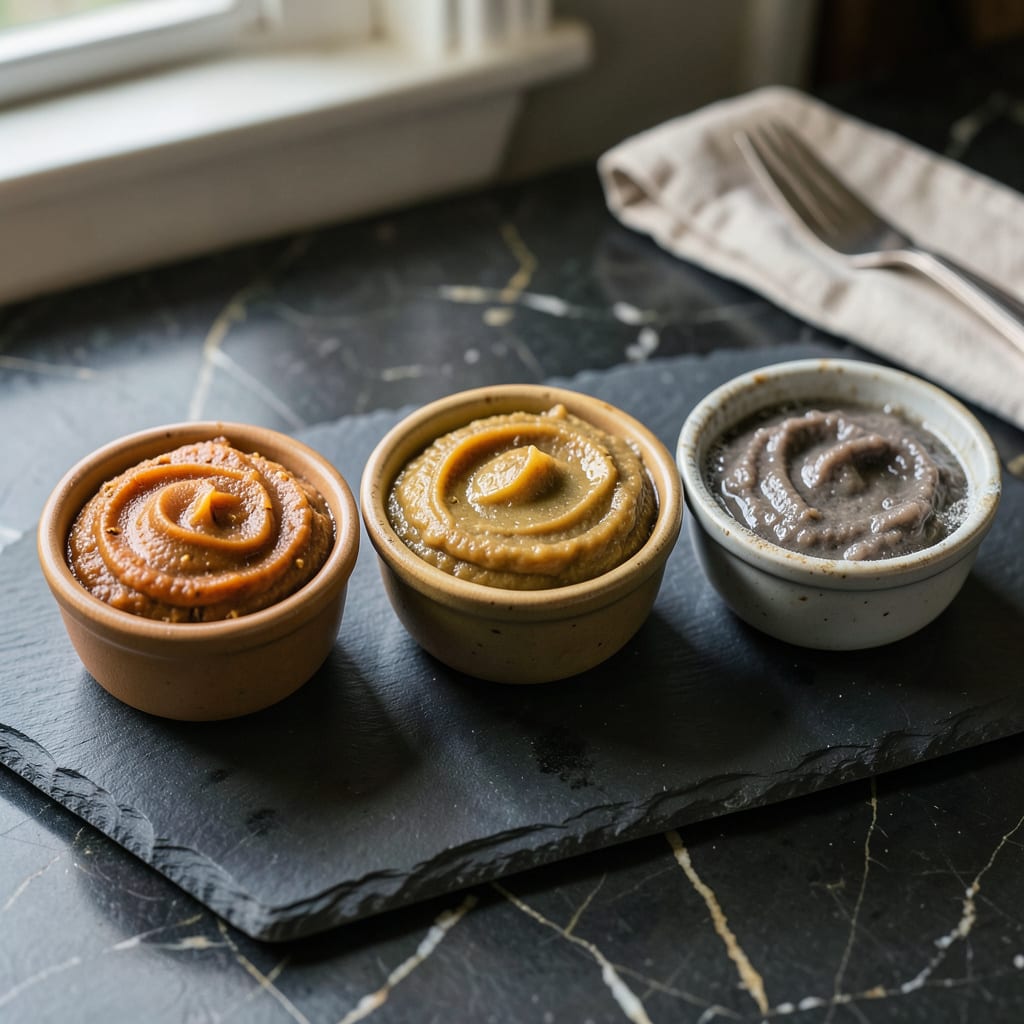
Bad pumpkin puree develops mold, an off smell (sour or fermented), or unusual colors like gray or dark brown. Discard if the can is bulging, leaking, or rusted—even unopened.
I always tell my students that pumpkin puree is like a silent alarm system—it gives clear warning signs when something’s wrong. The sour or fermented aroma isn’t just unpleasant; it’s your first clue that harmful bacteria may be multiplying. 🔥 What many don’t realize is that even unopened cans can fail—bulging lids often indicate botulism risk, while rust spots create microscopic entry points for contaminants. I’ve seen cases where the color shifts subtly from vibrant orange to dull brown before other signs appear, which is why I recommend checking puree before using it in recipes.
💡 In This Article
- Visual and Sensory Signs of Spoiled Pumpkin Puree
- Shelf Life and Safe Storage for Pumpkin Puree
Visual and Sensory Signs of Spoiled Pumpkin Puree
Fresh pumpkin puree has a vibrant orange hue and smooth, thick consistency. When spoilage begins, you’ll notice the color fading to dull brown or developing grayish streaks—this happens as natural pigments break down and oxidize.
The texture also changes dramatically: instead of holding its shape, spoiled puree may appear watery or develop a slimy film on top. This sliminess indicates bacterial growth, particularly from Pseudomonas species that thrive in moist environments.
The smell test is your most reliable indicator. Fresh puree has a mild, earthy sweetness, while spoiled versions develop sharp, sour notes or a fermented aroma reminiscent of vinegar. This odor shift occurs as sugars ferment into acetic acid.
I’ve found that even slight off-odors mean the pH has dropped below 4.6, creating ideal conditions for pathogens like Clostridium botulinum to multiply. 🔥 Never taste-test questionable puree—some foodborne bacteria produce toxins that aren’t destroyed by cooking.
Mold growth appears as fuzzy spots in various colors (white, green, or black). These aren’t just surface contaminants—they indicate deep penetration. The mycelium network can extend throughout the puree even when you only see spots on top. What’s particularly dangerous is that some molds produce mycotoxins that can survive heat treatment.
I once had a student bring in puree with tiny white specks they thought were “just sugar crystals”—microscopic examination revealed Aspergillus mold colonies.
Pay special attention to the can’s condition before opening. A bulging lid means gas-producing bacteria are active inside, creating pressure. Rust spots aren’t just cosmetic—they create micro-perforations that allow contaminants to enter. Even unopened cans with dents along the seams can compromise the vacuum seal.
The USDA found that 12% of foodborne illness cases from canned goods involved containers that appeared intact but had microscopic defects.
Here’s what to watch for in different storage scenarios:
- Refrigerated puree: Develops water separation within 5-7 days as proteins break down
- Frozen puree: Ice crystals form a grainy texture after 3-4 months, though it’s still safe
- Canned puree: Color darkens near the can walls due to metal-ion migration over 12-18 months
Remember that pumpkin puree’s high moisture content (about 88%) makes it particularly vulnerable to spoilage. The water activity level (aW 0.95-0.98) falls in the “intermediate moisture” range where most bacteria thrive. This is why commercial canners add a brief 250°F heat treatment—it reduces the aW to 0.85, creating a more stable product. ✨

Trained in classic French technique but raised on slow-cooked ribs and spicy rubs, she blends culinary skill with smoke and soul.
- Recipe for Boneless Pork Chops in Cast Iron Skillet: Sear and Baste to Juicy Perfection - October 3, 2026
- Recipe for Boneless Cross Rib Roast: Slow-Roasted Beef with Herb Crust - October 3, 2026
- Hamburgers in Sauce Recipe Crock Pot: Slow-Cooked Savory Delight - October 3, 2026