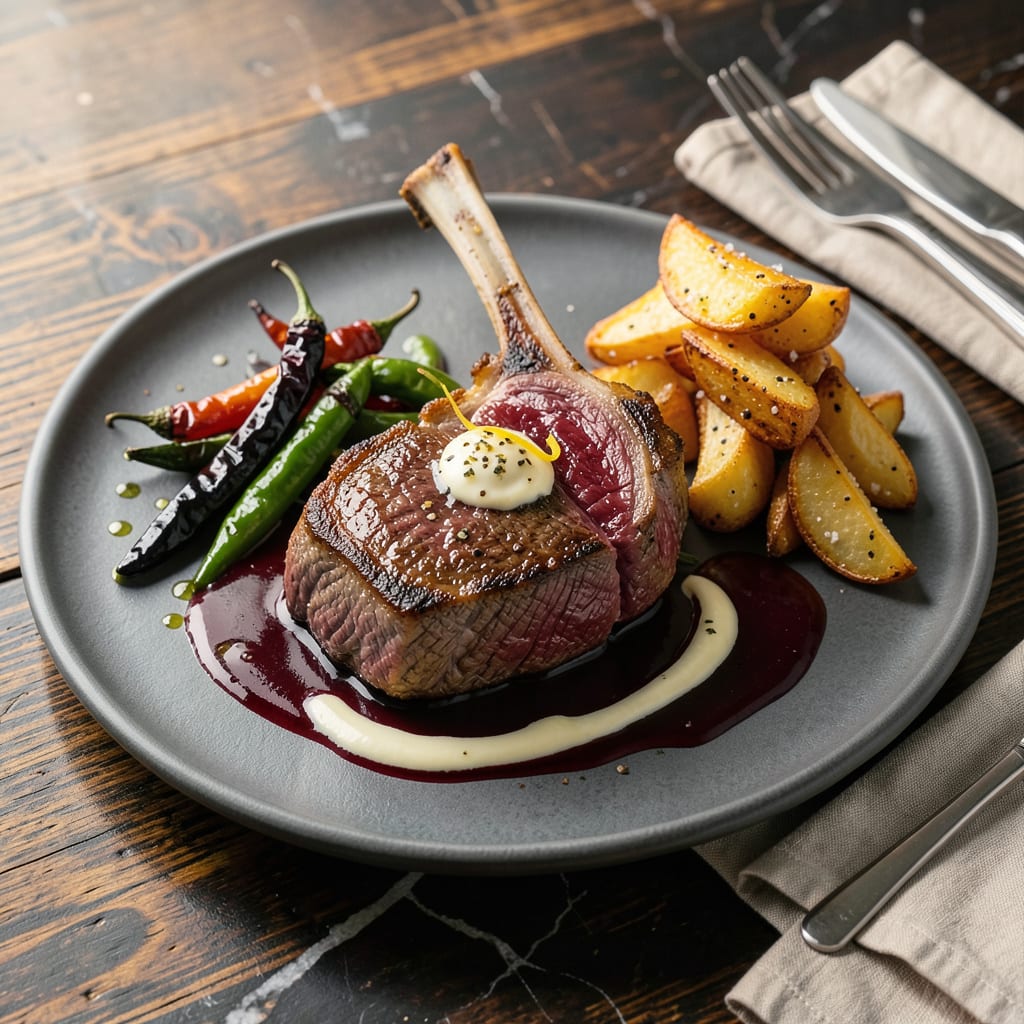
Plan for 12 to 16 ounces of bone-in rib eye per person (8 to 12 ounces boneless) for a standard meal. For hearty appetites or special occasions, increase to 18–20 ounces bone-in (14–16 ounces boneless).
I’ve learned through years of hosting steak dinners that portioning isn’t just about weight—it’s about experience. The bone adds dramatic presentation but reduces edible meat by about 30%, which is why I always adjust quantities when serving bone-in cuts. For a casual backyard BBQ, the standard portions satisfy most guests, but when I’m cooking for my motorcycle club’s post-ride feasts, I bump portions up to account for their legendary appetites. 🔥
What many home cooks overlook is how cooking method affects perceived portion size. A thick, 1.5-inch rib eye shrinks less during grilling than a thinner cut, making it appear more generous on the plate. I also consider side dishes—when serving loaded baked potatoes and creamy coleslaw, guests naturally eat less steak than at a protein-focused meal.
💡 In This Article
- Factors That Influence Rib Eye Portion Sizes
- Rib Eye Portion Guide for Different Meal Types
Factors That Influence Rib Eye Portion Sizes
The bone makes all the difference when calculating portions. A bone-in rib eye loses about 30% of its weight to inedible bone, while the rich marbling accounts for another 10-15% fat that renders during cooking.
That’s why I always calculate 1.5x more bone-in than boneless—what looks like a 16-ounce bone-in steak actually delivers about 10-11 ounces of edible meat after cooking. The bone also acts as an insulator, slowing heat transfer and affecting how evenly the meat cooks.
Fat content and cooking method dramatically change the eating experience. A well-marbled rib eye with 25-30% intramuscular fat will shrink less during cooking than leaner cuts, maintaining more weight on the plate. When grilling at 450-500°F, fat renders quickly, creating that coveted crust while reducing the steak’s mass by about 20%.
Compare that to sous vide at 130°F, where moisture loss is minimal and portions appear more generous. The fat also contributes to satiety—guests feel fuller faster with properly marbled cuts.
Side dishes and guest demographics should guide your calculations. I’ve noticed adults at my motorcycle club gatherings consume about 20% more protein than at family dinners, where sides like garlic mashed potatoes and grilled vegetables take center stage. Children typically eat 4-6 ounces of cooked meat, while teenage athletes might match adult portions.
For buffet-style events, I add 25% extra to account for waste and second helpings—nothing disappoints like running out of steak when the party’s still going strong. 🔥
The cut’s thickness plays a surprising role in portion perception. A 1.5-inch thick rib eye appears more substantial on the plate than a 1-inch cut of the same weight, even though they contain identical amounts of meat. Thicker steaks also develop better crust-to-interior ratios during searing, making each bite feel more satisfying.
I often recommend 1.25-1.5 inch thickness for optimal presentation and eating experience.
Don’t forget about the “wow factor” of bone-in presentations. The dramatic frenched bones (cleaned rib bones) make portions appear more generous, even when the actual meat weight is comparable to boneless. This visual trick works particularly well for special occasions.
For everyday meals, I prefer boneless cuts when serving smaller portions—8-10 ounces feels more appropriate without the bone’s visual distraction.
Seasoning and aging methods can subtly influence how much guests eat. Dry-aged rib eyes with concentrated flavors satisfy appetites with smaller portions—10-12 ounces often feels as filling as 14-16 ounces of wet-aged. The intense umami and nutty notes from aging create a richer eating experience that lingers on the palate.
When serving these premium cuts, I typically reduce portion sizes slightly while maintaining the same level of guest satisfaction. ✨
Finally, consider the meal’s timing and structure. At multi-course dinners, I serve 6-8 ounces of rib eye as the protein course, while for steakhouse-style single-plate meals, 14-16 ounces becomes appropriate.
The key is balancing the steak’s richness with the overall menu—heavier sides demand smaller portions, while light salads and roasted vegetables allow for more generous meat servings. This strategic approach ensures every guest leaves satisfied without overwhelming their plates or your budget.

Trained in classic French technique but raised on slow-cooked ribs and spicy rubs, she blends culinary skill with smoke and soul.
- Recipe for Boneless Pork Chops in Cast Iron Skillet: Sear and Baste to Juicy Perfection - October 3, 2026
- Recipe for Boneless Cross Rib Roast: Slow-Roasted Beef with Herb Crust - October 3, 2026
- Hamburgers in Sauce Recipe Crock Pot: Slow-Cooked Savory Delight - October 3, 2026