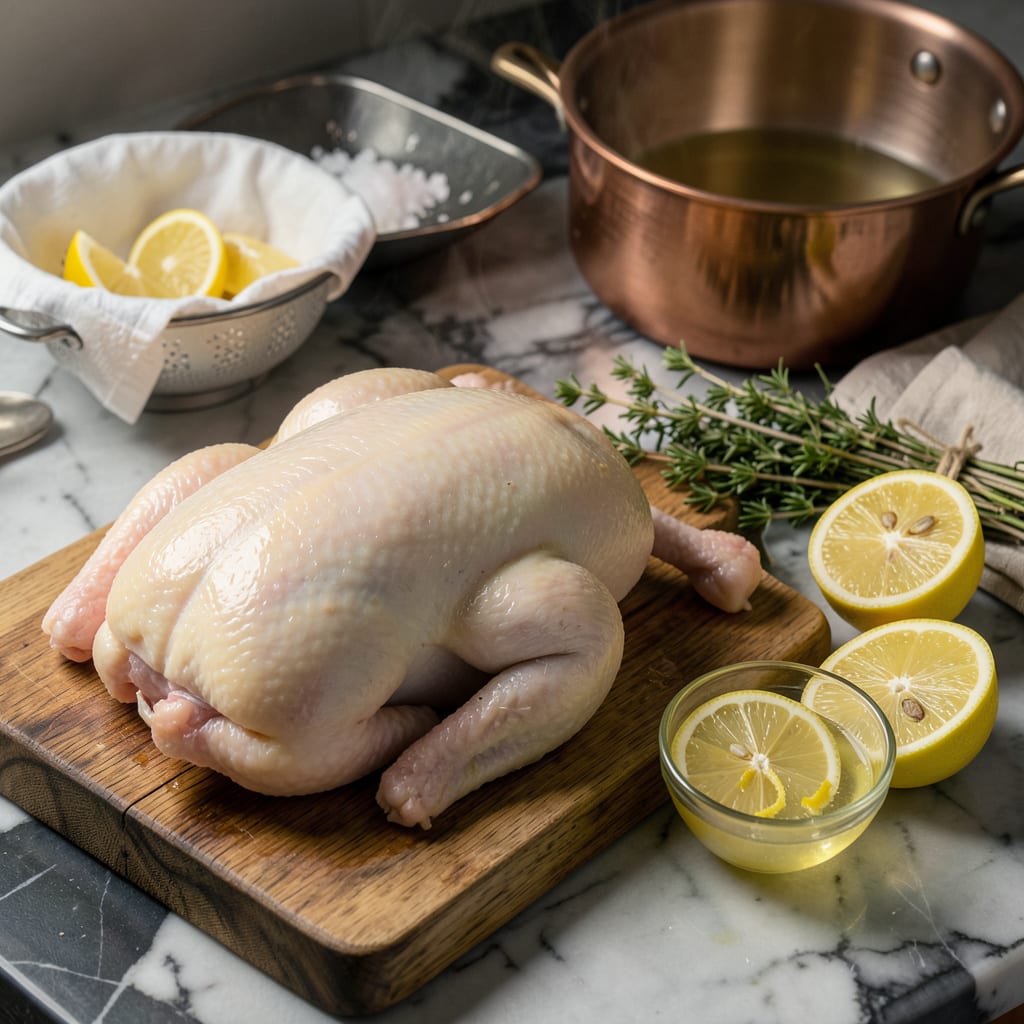
I’ll be real with you—cleaning raw chicken properly is one of those kitchen tasks that separates good cooks from great ones. After years of working with poultry (and learning the hard way about cross-contamination), I’ve landed on this lemon method that actually makes a difference. It’s not about masking odors—it’s about using acidity to help break down surface bacteria while keeping your chicken fresher tasting.
Here’s the thing—lemon juice isn’t magic, but its natural acidity does two important jobs: it helps neutralize some of those strong poultry odors and creates a slightly inhospitable environment for bacteria. I started using this technique when I noticed store-bought chicken sometimes had that “off” smell, even when fresh. A quick lemon rub before rinsing changed everything.
The process is simple: rub the chicken with lemon halves (inside and out), let it sit for 5 minutes, then rinse thoroughly. You’ll immediately notice the difference in smell and texture. But here’s my pitmaster warning—this isn’t a shortcut for proper food safety. You still need to handle the chicken carefully and cook it to the right temperature.
Once your chicken is prepped this way, it’s ready for anything—whether you’re planning my signature lemon-herb roast or just want cleaner-tasting grilled chicken. The lemon prep makes all the difference in flavor and safety. Let me walk you through exactly how to do it right.
📚 In This Guide
- What You’ll Need
- Instructions
- Tips and Common Mistakes
What Youll Need
- ● 1 whole chicken (3–5 lbs) or chicken pieces (legs, thighs, breasts—your choice!)
- ● 2–3 fresh lemons (organic preferred, thoroughly washed)
- ● 1–2 tablespoons of salt (kosher or sea salt works best for scrubbing)
- ○ 1 tablespoon of white vinegar or apple cider vinegar (optional, for extra disinfection)
- ● 1 sharp knife (boning or chef’s knife for trimming excess fat)
- ● 1 cutting board (dedicated to raw meat to avoid cross-contamination)
- ● 1 large bowl or clean sink (for soaking and rinsing)
- ● Paper towels or clean kitchen towels (for patting dry)
- ○ Disposable gloves (optional, for hygiene)
- ● 1 small brush or sponge (soft-bristled, only for meat prep—never reuse for dishes!)
- ● Cold running water (for rinsing)
Instructions for Cleaning Chicken With Lemon
This simple method removes impurities while adding brightness—let me show you how it’s done.
Prepare Your Workspace and Ingredients
Start by clearing a clean workspace in your kitchen. I recommend using a large cutting board or clean counter surface that you can sanitize afterward. Gather your whole chicken (or chicken pieces) and 2-3 fresh lemons—you’ll need enough to create a generous amount of juice.
Wash your hands thoroughly with warm, soapy water for at least 20 seconds before handling the chicken. This is your first line of defense against cross-contamination. Have a clean bowl or colander ready to hold the chicken during the cleaning process, and keep paper towels nearby for quick cleanups.
Create the Lemon Cleaning Solution
Cut the lemons in half and juice them into a large bowl—you’ll need about ½ cup of fresh lemon juice. The acidity in the lemon acts as a natural disinfectant while helping to break down any surface bacteria. Add 4 cups of cold water to the bowl and stir to combine.
This solution should be strong enough to be effective but not so concentrated that it affects the chicken’s flavor. The cold water helps maintain the chicken’s texture while the lemon works its magic. If you’re cleaning a whole chicken, you might need to double the solution to ensure complete coverage.
Clean the Chicken Thoroughly
Place the chicken in the lemon water solution, making sure all surfaces are submerged. For whole chickens, you may need to work in sections or use a larger container. Let it soak for 5-7 minutes—this gives the lemon time to work without over-acidifying the meat.
After soaking, remove the chicken and rinse it under cold running water for about 1 minute. Use your hands to gently rub all surfaces, paying special attention to crevices and the cavity if working with a whole bird. The water should run clear when you’re finished, indicating that surface impurities have been removed.
Pat Dry and Prepare for Cooking
Transfer the cleaned chicken to a clean surface and pat it completely dry with paper towels. This step is crucial—removing all moisture ensures better browning when cooking and helps prevent steam, which can make your chicken rubbery. Press firmly but gently to absorb all water without tearing the skin.
The chicken is now ready for seasoning and cooking. I recommend using it immediately for best results, though you can refrigerate it for up to 24 hours if needed. The lemon cleaning process leaves the meat with a subtly brighter flavor that pairs well with virtually any seasoning or marinade.
Sanitize Your Work Area
After handling raw chicken, it’s essential to thoroughly clean your workspace. Wash all surfaces, utensils, and your hands with hot, soapy water. I like to follow up with a spray of white vinegar or lemon juice solution—just like we used on the chicken—to naturally disinfect the area.
This final step completes the process safely. The lemon not only cleaned your chicken but also leaves your kitchen smelling fresh rather than like raw poultry. This method gives me confidence that my chicken is as clean as possible before cooking, with the added benefit of that subtle citrus brightness.
Tips and Common Mistakes
This method is simple but powerful—here’s how to make it work perfectly every time.
Solution Strength: The ½ cup of fresh lemon juice to 4 cups of cold water ratio in Step 2 is ideal for effectiveness without overpowering flavor. If cleaning a whole chicken, double the solution to ensure complete coverage. The cold water maintains the chicken’s texture while the lemon works its magic.
Soaking Time: The 5-7 minute soak in Step 3 is critical—too short and bacteria won’t be effectively broken down, too long and the acid can start affecting the meat’s texture. Set a timer to stay within this window for perfect results.
Drying Technique: In Step 4, patting the chicken completely dry isn’t just about moisture—it’s about safety and flavor. Use fresh paper towels and press firmly but gently to absorb all water. This prevents steam during cooking, which can make chicken rubbery, and ensures better browning.
Sanitization: Step 5’s workspace cleaning is as important as cleaning the chicken itself. After washing with hot, soapy water, I always follow up with a spray of white vinegar or lemon juice solution—just like we used on the chicken—to naturally disinfect surfaces and eliminate any lingering poultry odors.
Pro Tips for Clean Chicken With Lemon
- This method is simple but powerful—here’s how to make it work perfectly every time.
- Solution Strength: The ½ cup of fresh lemon juice to 4 cups of cold water ratio in Step 2 is ideal for effectiveness …
- Soaking Time: The 5-7 minute soak in Step 3 is critical—too short and bacteria won’t be effectively broken down, too …
Frequently Asked Questions
How long should I soak chicken in lemon juice to clean it?
Soak chicken in lemon juice for 10–15 minutes max—longer can make the meat mushy due to acidity. For whole chickens, stick to 10 minutes; smaller cuts (like breasts) can handle 12–15. Rinse thoroughly with cold water afterward to remove residue.
Can I use bottled lemon juice instead of fresh?
Fresh lemon juice is best (more natural acids and oils), but bottled works in a pinch. Choose 100% pure lemon juice with no additives. Avoid “lemon-flavored” products—they lack the cleaning power and may contain preservatives.
Does lemon really kill bacteria like salmonella?
Lemon’s acidity helps reduce surface bacteria but doesn’t replace cooking. For safety, always cook chicken to 165°F (74°C). Think of lemon as a pre-wash boost, not a sterilizer. Use it alongside proper handling and cooking.
What if my chicken smells funny after lemon cleaning?
A faint citrus scent is normal, but a strong, sour, or rotten smell means spoilage. Toss it! If the lemon odor lingers unpleasantly, soak the chicken in cold milk for 10 minutes to neutralize it, then rinse.
Are there alternatives if I don’t have lemon?
Yes! Try:
- White vinegar (1:1 with water, soak 10 mins)
- Saltwater brine (¼ cup salt per 4 cups water, 15 mins)
- Baking soda paste (scrub, rinse immediately)
Each has pros/cons—lemon’s just the tastiest option!
Cleaning chicken with lemon isn’t just a chef’s secret—it’s your ticket to fresher, safer, and more flavorful meals! 🍋✨ With just a few simple steps, you can remove impurities, cut odors, and even tenderize the meat. Say goodbye to store-bought smells and hello to restaurant-quality prep in your own kitchen.
Now that you’ve mastered the technique, why not put it to use? Try marinating your lemon-cleaned chicken with herbs and spices for a showstopping dinner—your taste buds (and dinner guests) will thank you! 🍗💛

Trained in classic French technique but raised on slow-cooked ribs and spicy rubs, she blends culinary skill with smoke and soul.
- Recipe for Boneless Pork Chops in Cast Iron Skillet: Sear and Baste to Juicy Perfection - October 3, 2026
- Recipe for Boneless Cross Rib Roast: Slow-Roasted Beef with Herb Crust - October 3, 2026
- Hamburgers in Sauce Recipe Crock Pot: Slow-Cooked Savory Delight - October 3, 2026