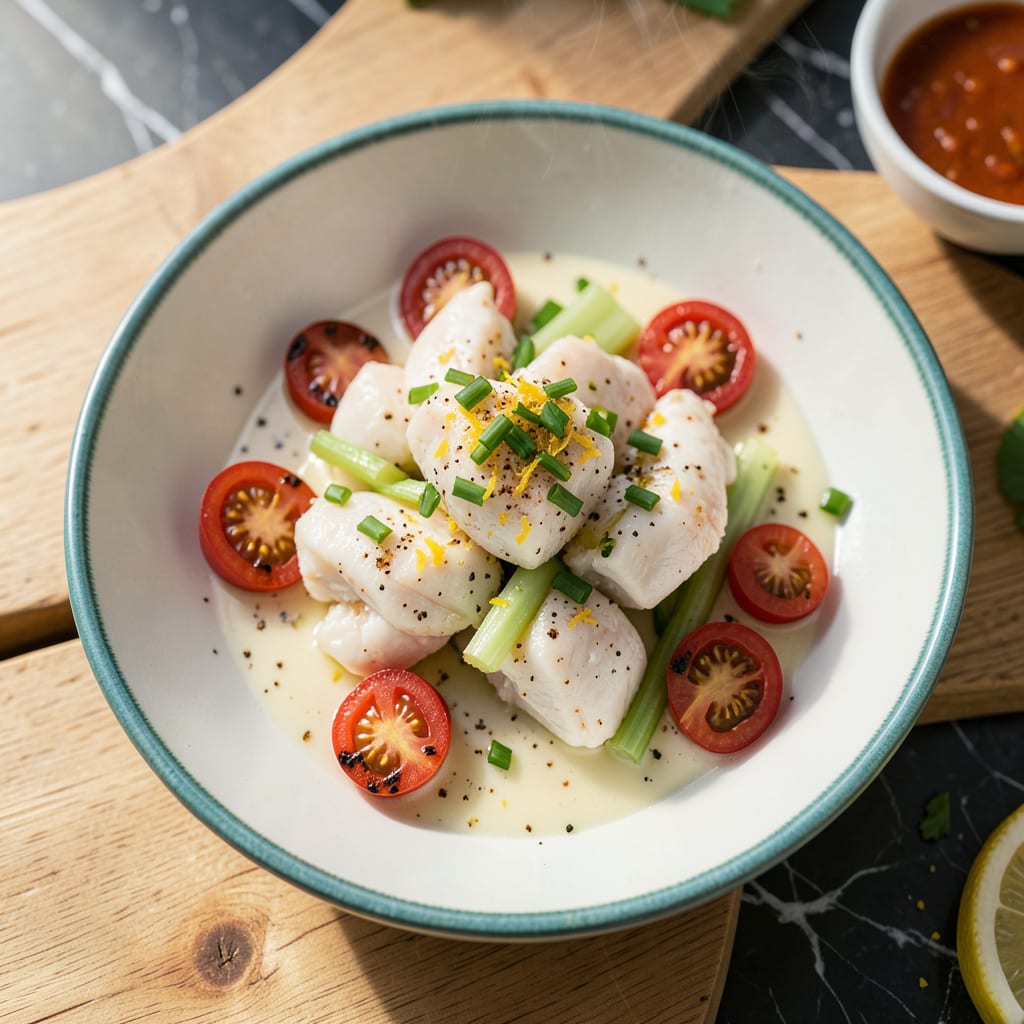
Crab meat without the shell is one of those luxuries that feels fancy but cooks up in minutes. I’ll be real with you—this was my go-to when I needed a restaurant-quality dish without the hassle. The key is treating that delicate meat with care, whether it’s fresh or frozen, so it stays flaky and sweet, not rubbery or dry.
Here’s the thing—crab meat doesn’t need much to shine. A little butter, some garlic, maybe a squeeze of lemon, and you’ve got something that tastes like it came from a seafood shack. I’ve cooked it every way imaginable, and the simplest methods always win. Steaming keeps it tender, sautéing adds caramelized flavor, and a quick broil gives it that golden finish.
What you’re aiming for is meat that’s just warmed through—perfectly cooked but not overdone. I’ll walk you through exactly how to nail that balance, plus share my favorite ways to serve it (spoiler: buttery garlic bread is non-negotiable). No fancy equipment, no stress, just incredible crab that’ll make you look like a pro.
Whether you’re tossing it with pasta, piling it on a salad, or just eating it straight from the pan (no judgment), this method works every time. The secret is in the timing and a few simple tricks I picked up from years of coastal cooking. Let’s get that crab sizzling.
📚 In This Guide
- What You’ll Need
- Instructions
- Tips and Common Mistakes
What Youll Need
- ● 1 lb fresh or thawed crab meat (lump, jumbo, or claw—your choice!)
- ● 2 tbsp unsalted butter (or olive oil for a lighter option)
- ● 1 tbsp lemon juice (freshly squeezed for zing!)
- ○ 1 clove garlic, minced (optional but highly recommended)
- ● ½ tsp salt (adjust to taste)
- ● ¼ tsp black pepper (freshly ground if possible)
- ● 1 tbsp fresh parsley or chives, chopped (for garnish)
- ○ 1 small pinch of red pepper flakes (optional, for heat lovers)
- ● Medium non-stick skillet or sauté pan
- ● Wooden spoon or spatula (gentle on the crab!)
- ● Fine-mesh strainer (if draining excess liquid)
- ● Paper towels (to pat dry crab meat for better searing)
- ○ Lemon squeezer (optional but handy)
Instructions
Here’s the simple method I use to transform delicate crab meat into tender, buttery perfection every time.
Gently Thaw the Crab Meat
If using frozen crab meat, transfer it from the freezer to the refrigerator and let it thaw overnight. This slow thawing preserves the delicate texture better than quick methods. For a faster option, place the sealed package in a bowl of cold water for 30-45 minutes, changing the water every 10 minutes.
Once thawed, drain the crab meat in a fine-mesh strainer and gently press with paper towels to remove excess moisture. Be careful not to squeeze or compact the meat—crab is fragile and can easily break apart. You want it damp but not dripping, which helps it absorb flavors without becoming watery.
Sauté Aromatics for Flavor Foundation
In a large skillet over medium-low heat, melt butter until it’s foamy but not browned. Add finely minced garlic and cook for 30-45 seconds until fragrant but not browned—burnt garlic will make the dish bitter. If you prefer, a pinch of red pepper flakes can be added here for subtle heat.
This step is all about building layers of flavor without overpowering the sweet, delicate taste of the crab. The butter should remain pale yellow, not golden. If it starts to brown, lower the heat immediately. The aromatics should perfume the air but not dominate the dish.
Cook the Crab Meat with Care
Add the drained crab meat to the skillet and gently fold it into the butter and aromatics using a silicone spatula. Cook over low heat for 3-5 minutes—just until the meat is heated through. You’ll notice the edges of the crab pieces will turn from translucent to opaque when it’s done.
Resist the urge to stir constantly or break up the lumps. Crab meat cooks quickly, and overworking it will turn those beautiful flakes into mush. If the mixture looks dry, add a splash of white wine or seafood stock to keep it moist. The goal is warm, tender crab that still has visible flakes and texture.
Finish with Bright, Fresh Flavors
Remove the skillet from heat and stir in a squeeze of lemon juice and a handful of chopped fresh parsley. The acid from the lemon brightens the rich butter and highlights the crab’s natural sweetness. Taste and adjust seasoning with salt and black pepper—crab meat often needs very little salt since it’s naturally briny.
Let the crab sit off heat for 2 minutes before serving. This brief rest allows the flavors to meld while keeping the meat perfectly tender. The finished dish should glisten with butter, with visible crab flakes that separate easily with a fork. Serve immediately while warm for the best texture.
Tips and Common Mistakes
Working with delicate crab meat requires gentle handling and attention to detail. Here’s what I’ve learned from years of perfecting this dish.
Thawing Technique: The overnight refrigerator thaw in Step 1 isn’t just about convenience—it’s about texture preservation. When you use the quick cold water method (30-45 minutes with water changes every 10 minutes), make absolutely certain the package remains sealed. Any water seeping into the crab meat will dilute its natural sweetness and make it watery when cooked. I always place the package in a second zip-top bag as insurance against leaks.
Heat Control: In Step 2, that medium-low heat setting is non-negotiable for two critical reasons. First, it allows the butter to melt gently without browning, which would overpower the crab’s delicate flavor. Second, it gives you precise control over the garlic cooking time—those 30-45 seconds are all you get before it risks burning. If your stove runs hot, err on the side of lower heat and extend the garlic cooking to the full 45 seconds if needed.
Gentle Handling: When you’re folding the crab into the butter mixture in Step 3, think of it like handling delicate pastry dough. The 3-5 minutes of cooking time is just enough to warm it through without toughening the meat. Use a silicone spatula and make broad, sweeping folds rather than small stirs. I count exactly three folds, then let it sit undisturbed for 30 seconds before folding again. This maintains those beautiful flakes we’re after.
Finishing Touch: Don’t underestimate the importance of that 2-minute rest off heat in Step 4. This brief pause allows the butter to stop its aggressive bubbling and gently coat each flake of crab. It also lets the lemon juice and parsley infuse their flavors without the heat driving off their volatile aromatics. The difference between resting and serving immediately is noticeable in both texture and flavor distribution.
Pro Tips for Cook Crab Meat Without Shell
- Working with delicate crab meat requires gentle handling and attention to detail. Here’s what I’ve learned from years…
- Thawing Technique: The overnight refrigerator thaw in Step 1 isn’t just about convenience—it’s about texture preserva…
- Heat Control: In Step 2, that medium-low heat setting is non-negotiable for two critical reasons. First, it allows th…
Frequently Asked Questions
Can I cook frozen crab meat without thawing it first?
You can, but it’s not ideal! Thawing first (overnight in the fridge or under cold water) ensures even cooking and prevents rubbery texture. If in a rush, use frozen meat in soups or stews where it’ll simmer gently—add 2-3 extra minutes and check for doneness (145°F internal temp).
How long does it take to cook fresh crab meat?
Super fast! Pre-cooked crab meat (like lump or claw) just needs heating through—2-3 minutes in a sauté pan or 1-2 minutes in boiling water. Raw crab meat requires 3-5 minutes until opaque and flaky. Overcooking = tough crab, so keep it brief! Canned or pasteurized crab meat works great! Opt for high-quality lump or jumbo for texture. Drain and rinse to remove excess sodium, then use in dips, salads, or cakes. Avoid “imitation crab” (surimi)—it’s pre-cooked and behaves differently when heated. Overhandling or high heat is usually the culprit. Gently fold crab into dishes last to avoid breaking it. Use low-medium heat and minimal stirring. If using canned meat, pat it dry first—excess moisture = mush. Pro tip: Toss with a bit of lemon juice to firm it up! Slow cookers are perfect for crab dips or chowders—add meat in the last 30 minutes on low. For Instant Pot, use the “sauté” function to heat pre-cooked crab (1-2 minutes) or pressure-cook raw meat for just 1 minute with quick release. Avoid overcooking!What’s the best alternative if I don’t have fresh crab meat?
Why does my crab meat turn mushy when cooking?
Can I use crab meat in a slow cooker or Instant Pot?
Cooking crab meat without the shell is easier than you think! With just a few simple steps—whether steaming, sautéing, or baking—you can turn delicate crab into a buttery, flaky masterpiece in minutes. The key is gentle heat and the right seasonings to let that sweet, ocean-fresh flavor shine. 🦀✨
Now that you’ve got the know-how, why not put it to the test? Try whipping up a creamy crab dip, tossing it into pasta, or serving it over a crisp salad. Your next seafood feast is just a recipe away—happy cooking!

Trained in classic French technique but raised on slow-cooked ribs and spicy rubs, she blends culinary skill with smoke and soul.
- Recipe For Fried Chicken In A Pressure Cooker: Crispy Golden Bites in Half the Time - October 3, 2026
- Recipe For Leftover Fried Fish: Crunchy Leftovers Transformed - October 3, 2026
- Recipe for Crock Pot Swiss Steak: Slow-Cooked Beef With Mushroom Gravy - October 3, 2026