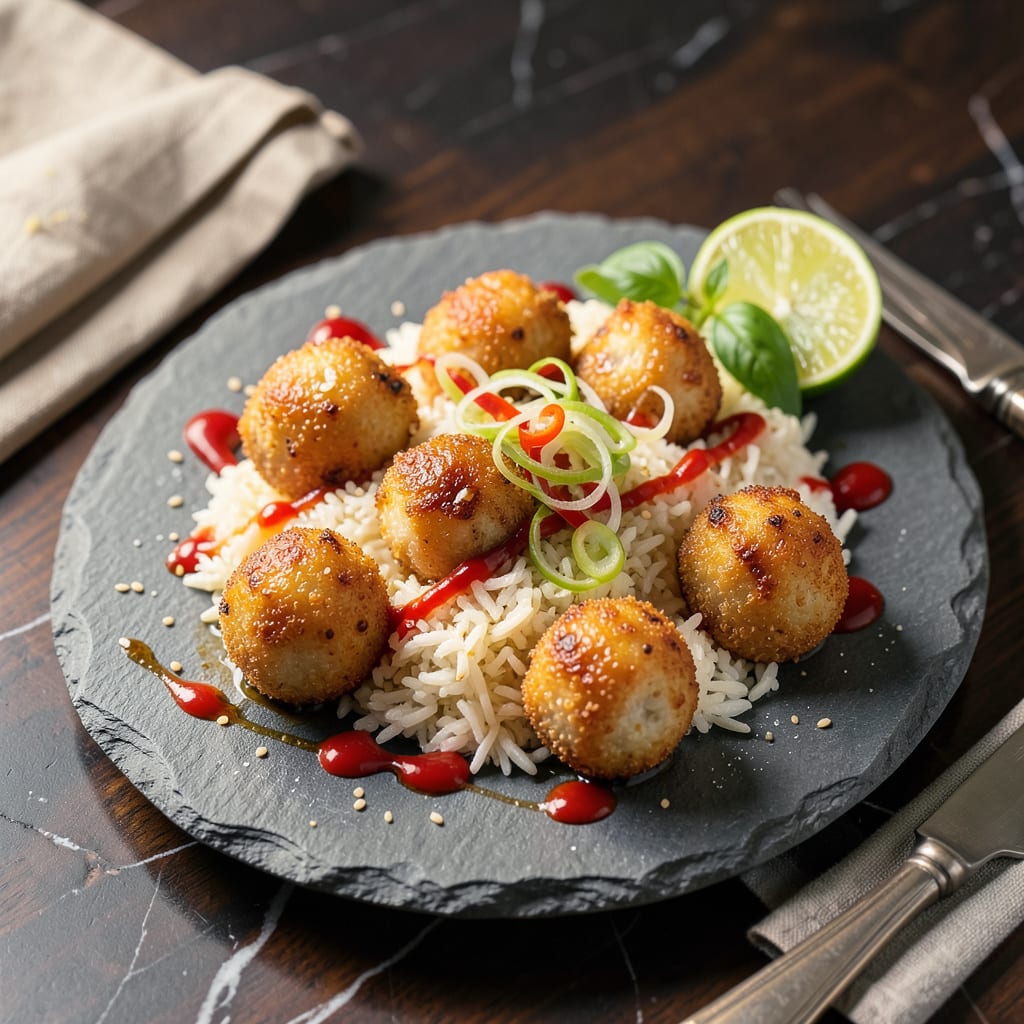
I’ll be real with you: frozen fish balls can be a game-changer for quick meals, but only if you cook them right. After burning through a few batches (literally), I found the 15-minute method that delivers crispy outsides and tender centers every time—no thawing required.
Here’s the thing—most people either overcook them into rubbery pucks or undercook them to mushy centers. The secret? High heat and the right technique. Whether you’re frying, air-frying, or boiling for soups, I’ve got the foolproof approach that works with whatever’s in your freezer.
You’ll end up with golden, crispy fish balls that stay juicy inside, ready to star in noodle bowls, broths, or as a snack with your favorite dipping sauce. No fancy ingredients, no complicated steps—just restaurant-quality results in minutes.
Perfect for busy weeknights or when you need protein fast. Let me show you how it’s done.
📚 In This Guide
- What You’ll Need
- Instructions
- Tips and Common Mistakes
What Youll Need
- ● 1 pack (12–16 oz) frozen fish balls – Choose plain or pre-seasoned (e.g., shrimp, crab, or squid flavor). Thaw in the fridge for 30 mins or use frozen (adjust cooking time).
- ● 2 cups neutral oil (vegetable, canola, or peanut) – For deep-frying or 1 tbsp oil for pan-frying.
- ○ 1–2 cups water or broth (optional) – For boiling or steaming (add ginger/scallions for extra flavor!).
- ○ Dipping sauces (optional but highly recommended 😉): Sweet chili sauce
- ● Soy sauce + lime + chili flakes
- ● Tartar or ponzu sauce
- ● Deep skillet or wok (for frying)
- ● Slotted spoon or spider strainer
- ● Paper towels (to drain excess oil)
- ● Pot with steamer basket (if steaming)
- ○ Kitchen thermometer (optional, for oil temp—350°F is ideal!)
Instructions
Here’s the foolproof method I use to transform frozen fish balls into golden, crispy bites with juicy centers.
Thaw and Prep the Fish Balls
Remove the frozen fish balls from their packaging and place them in a single layer on a microwave-safe plate. Microwave on defrost setting for 2-3 minutes, flipping halfway through. You want them just pliable enough to separate, not fully thawed—they should still feel cold to the touch.
This partial thawing prevents them from sticking together while ensuring they cook evenly. Don’t skip this step; fully frozen fish balls will cook unevenly, leaving you with a cold center and overcooked exterior. Gently separate any that stick together, but avoid handling them too much—they’re delicate when partially thawed.
Heat the Oil to the Perfect Temperature
Fill a deep skillet or Dutch oven with 1-2 inches of neutral oil (vegetable or canola works best). Heat over medium-high heat until the oil reaches 350-375°F on a deep-fry thermometer. If you don’t have a thermometer, test the oil by dropping in a small piece of bread—it should sizzle immediately and turn golden in 30 seconds.
The right oil temperature is crucial for that perfect crispy exterior without greasy results. Too cool, and the fish balls will absorb oil; too hot, and they’ll burn before cooking through. Maintain this temperature range throughout frying by adjusting the heat as needed—adding cold fish balls will temporarily lower the oil temperature.
Fry in Batches for Even Cooking
Carefully lower 6-8 fish balls into the hot oil using a slotted spoon or tongs. Don’t overcrowd the pan—this drops the oil temperature and leads to soggy results. Fry for 3-4 minutes, gently stirring occasionally, until they’re deep golden brown and floating consistently at the surface.
You’ll notice they’ll initially sink, then rise as they cook. This is your visual cue that they’re cooking properly. Remove them with a slotted spoon when they’re uniformly golden and transfer to a wire rack or paper towel-lined plate. The wire rack is ideal as it allows air circulation, preventing steam from making them soggy.
Double-Fry for Extra Crispiness (Optional but Recommended)
For that restaurant-quality extra crunch, increase the oil temperature to 375-390°F and return the fish balls to the oil for 1-2 minutes. This second fry creates a shatteringly crisp exterior while maintaining the tender interior. Watch them closely—they’ll brown much faster this time.
This technique, inspired by Korean fried chicken methods, creates multiple layers of crispiness. The initial fry cooks them through, while the second fry at higher heat creates that glass-like crust. It’s worth the extra few minutes for that perfect texture contrast.
Serve Immediately with Your Favorite Sauces
Transfer the fish balls to a serving plate while they’re still piping hot. The contrast between the crispy exterior and tender interior is most pronounced when served immediately. I like to serve them with a trio of dipping sauces—sweet chili, tartar, and a spicy sriracha mayo for variety.
If you need to keep them warm before serving, place them on a wire rack set over a baking sheet in a 200°F oven for up to 15 minutes. Avoid covering them, as trapped steam will soften that perfect crispy coating you worked so hard to achieve.
Tips and Common Mistakes
Let me share the key details that make the difference between good and extraordinary results when preparing this dish.
Thawing Technique: The 2-3 minutes in the microwave on defrost setting is absolutely critical. I learned this the hard way after trying to fry fully frozen fish balls—they developed a rubbery exterior while staying cold inside. The partial thaw makes them pliable enough to separate while maintaining that essential cold center that prevents overcooking during frying. Trust me, this small step prevents all the common texture issues.
Oil Temperature Precision: Maintaining that 350-375°F range during the initial fry is what creates that perfect crispy shell without greasiness. Here’s what nobody tells you—the oil temperature will drop when you add the fish balls, so I recommend heating it to the higher end (375°F) before adding them. This gives you a buffer as the temperature stabilizes. The bread test mentioned in Step 2 is my go-to method when I don’t have a thermometer.
Double-Fry Secret: That optional second fry at 375-390°F for 1-2 minutes is inspired by professional Korean fried chicken techniques. The first fry cooks them through completely, while the second fry at higher heat creates that glass-like crust. I always do this extra step when serving guests—it makes the texture absolutely restaurant-quality. Just watch them closely as they’ll brown much faster during this second fry.
Serving Strategy: The wire rack mentioned in Step 3 isn’t just for cooling—it’s the key to maintaining crispiness. When I first made these, I used paper towels which trapped steam and made the bottoms soggy. The rack allows air circulation on all sides, keeping them perfectly crisp until serving. If you must use paper towels, change them frequently to absorb moisture.
Pro Tips for Cook Frozen Fish Balls
- Let me share the key details that make the difference between good and extraordinary results when preparing this dish.
- Thawing Technique: The 2-3 minutes in the microwave on defrost setting is absolutely critical. I learned this the har…
- Oil Temperature Precision: Maintaining that 350-375°F range during the initial fry is what creates that perfect crisp…
Frequently Asked Questions
Do I need to thaw frozen fish balls before cooking?
Nope! Most frozen fish balls are pre-cooked, so you can toss them straight into boiling water, hot oil, or a steamer. Thawing can make them mushy—just add 1-2 extra minutes to cooking time if they’re rock-solid. Always check the package for specific instructions!
How long does it take to cook frozen fish balls?
Timing depends on the method:
- Boiling/Steaming: 5-7 minutes (floats = done!)
- Pan-frying: 3-4 minutes per side (golden crisp = ready)
- Air frying: 8-10 minutes at 375°F (shake halfway!)
Can I bake frozen fish balls instead of frying?
Preheat your oven to 400°F, toss fish balls with a little oil, and bake for 12-15 minutes, flipping once. They won’t be as crispy as fried, but a sprinkle of cornstarch before baking helps! For extra crunch, broil for 1-2 minutes at the end.
Why did my fish balls split or burst while cooking?
Two common culprits:
- Temperature shock: Avoid dropping frozen balls into boiling water—use warm water first, then increase heat.
- Overcrowding: Give them space in the pan or pot to expand. Stir gently!
What’s the best dipping sauce for fish balls?
Classic pairings:
- Sweet & sour: Ketchup + pineapple juice + vinegar
- Spicy mayo: Mayo + sriracha + lime
- Umami bomb: Soy sauce + sesame oil + green onions
Cooking frozen fish balls doesn’t have to be complicated—with the right technique, you can achieve crispy, golden perfection in just 15 minutes! 🎉 Whether you fry, boil, or air-fry them, the key is patience and proper prep. Now that you’ve mastered the basics, why not experiment with dipping sauces or adding them to soups and stir-fries?
Ready to level up? Try making homemade fish balls next—your taste buds will thank you! 🍽️

Trained in classic French technique but raised on slow-cooked ribs and spicy rubs, she blends culinary skill with smoke and soul.
- Recipe for Boneless Pork Chops in Cast Iron Skillet: Sear and Baste to Juicy Perfection - October 3, 2026
- Recipe for Boneless Cross Rib Roast: Slow-Roasted Beef with Herb Crust - October 3, 2026
- Hamburgers in Sauce Recipe Crock Pot: Slow-Cooked Savory Delight - October 3, 2026