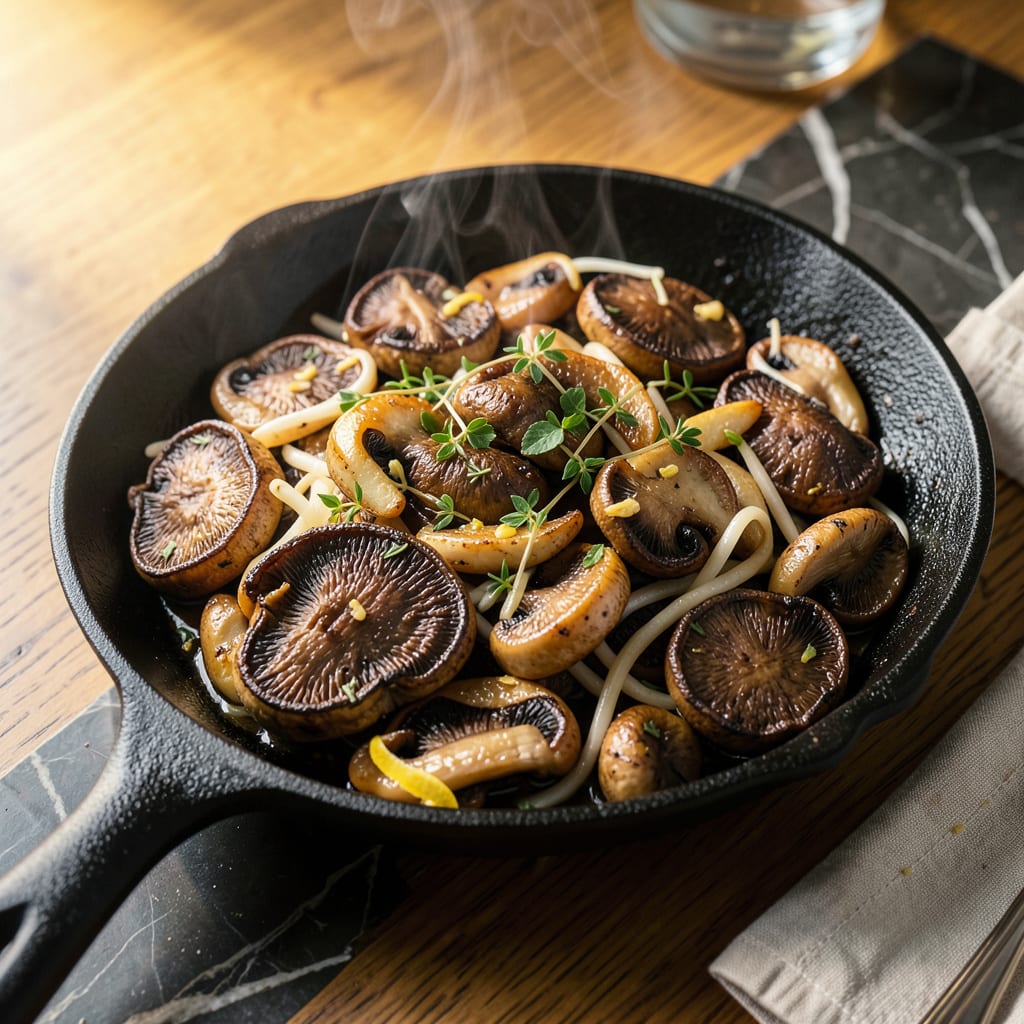
Frozen mushrooms don’t have to mean sad, soggy results—I’ve cracked the code for getting them perfectly golden and flavorful every time. Here’s the thing: most people dump them straight from the bag into the pan, and that’s where things go wrong. After burning through a few batches (literally), I discovered the right way to handle frozen mushrooms so they actually taste like you sautéed them fresh.
The secret is all in the thawing—or rather, the not thawing. Skip the microwave and don’t even think about running them under water. We’re going straight from freezer to hot pan with just a quick pat-down. High heat and patience are your best friends here, transforming those icy little nuggets into caramelized, meaty bites with actual texture. No more rubbery mushrooms, I promise.
In about 10 minutes, you’ll have mushrooms that hold their own in any dish—toss them into pasta for an umami boost, stir them into fried rice for extra depth, or blend into creamy soups where they’ll actually keep their shape. The method is idiot-proof (trust me, I’ve tested this), and works whether you’re using button, cremini, or those fancy wild mushrooms you stashed in the freezer.
Fair warning: once you try this, you’ll never go back to sad, steamed frozen mushrooms. The difference is that dramatic. Let’s get those mushrooms sizzling the right way.
📚 In This Guide
- What You’ll Need
- Instructions
- Tips and Common Mistakes
What Youll Need
- ● Frozen mushrooms: 8–12 oz (225–340g) of your choice (sliced, whole, or mixed varieties) 🍄
- ● Cooking oil or fat: 1–2 tbsp (olive oil, butter, or avocado oil for high heat)
- ● Salt: ½ tsp (or to taste—kosher or sea salt preferred)
- ○ Garlic (optional): 2–3 cloves, minced (or 1 tsp garlic powder for convenience)
- ○ Fresh herbs (optional): 1–2 tbsp chopped parsley, thyme, or rosemary
- ○ Acid (optional): 1 tsp lemon juice or balsamic vinegar (brightens flavors!)
- ● Black pepper: ¼ tsp (freshly ground for best flavor)
- ● Skillet or pan: 10–12″ non-stick or stainless steel (cast iron works too!)
- ● Spatula or wooden spoon: For stirring (heat-resistant silicone preferred)
- ● Paper towels: To pat dry mushrooms if thawing first (reduces sogginess)
- ○ Cutting board & knife (optional): If adding fresh garlic/herbs
- ● Measuring spoons: For precise seasoning
- ○ Timer (optional): To track cooking time (5–8 minutes total).
Instructions
Here’s exactly how to transform frozen mushrooms into perfectly sautéed, flavorful results every time.
Thaw the Mushrooms Properly
Start by removing your frozen mushrooms from the freezer. I recommend placing them in a colander and running cold water over them for about 2-3 minutes. This quick-thaw method preserves their texture better than leaving them to thaw at room temperature, which can make them mushy.
After rinsing, gently press the mushrooms between paper towels to remove excess moisture. You’ll notice they release quite a bit of water – this is normal for frozen mushrooms. The drier they are before cooking, the better they’ll brown in the pan instead of steaming.
Preheat Your Pan for Maximum Browning
Heat a large skillet over medium-high heat for 2-3 minutes before adding any oil. You want the pan to be properly hot – when you flick water droplets onto it, they should dance and evaporate immediately. This initial heat is crucial for getting that beautiful golden color on your mushrooms.
Add just enough oil to lightly coat the bottom of the pan – about 1-2 tablespoons should do it. Swirl it around so it covers the entire surface. The oil should shimmer but not smoke when it’s ready for the mushrooms. This is the perfect temperature for achieving that ideal balance between browning and cooking through.
Cook in Batches for Even Browning
Add your thawed mushrooms to the hot pan in a single layer, being careful not to overcrowd. You’ll likely need to cook them in 2-3 batches depending on your pan size. Overcrowding causes the mushrooms to steam rather than brown, which is why we take the time to do this properly.
Let them cook undisturbed for 3-4 minutes until you see the edges starting to turn golden brown. Then give them a stir and cook for another 3-4 minutes until they’re evenly browned all over. You’ll know they’re done when they’ve developed a rich color and any released liquid has mostly evaporated.
Season and Finish for Maximum Flavor
Once all your mushrooms are beautifully browned, return them all to the pan. Reduce the heat to medium and add your seasonings. I like to use a simple combination of salt, pepper, and garlic powder – about ½ teaspoon of each should be perfect for this quantity.
Cook for another 1-2 minutes, stirring constantly, to allow the flavors to meld together. Taste and adjust the seasoning if needed. The mushrooms should be tender with a slight bite, deeply browned, and full of savory flavor. Serve them immediately while they’re at their best – hot and fragrant.
Optional Deglazing for Extra Flavor
For an extra layer of flavor, you can deglaze the pan after removing the mushrooms. Add ¼ cup of broth, wine, or even water to the hot pan and scrape up all those browned bits. Let it reduce by half, then pour this flavorful liquid over your cooked mushrooms.
This simple step adds incredible depth to your mushrooms, making them taste even more delicious. It’s particularly good if you’re using these as a topping for steaks, in pasta dishes, or anywhere you want that extra boost of umami flavor.
Tips and Common Mistakes
Perfectly sautéed frozen mushrooms require attention to detail—here’s what I’ve learned from years of getting it just right.
Thawing Technique: The 2-3 minute cold water rinse in Step 1 isn’t just about speed—it preserves texture. Room-temperature thawing makes mushrooms absorb too much water, turning them soggy when cooked. Press them between paper towels until they’re as dry as possible; this prevents steaming in the pan. I’ve ruined batches by skipping this drying step, and the difference is night and day when you do it properly.
Heat Control: When preheating your pan for those crucial 2-3 minutes in Step 2, don’t rush it. The pan needs to be properly hot before adding oil—this creates that initial sear that locks in flavor. I test the heat by flicking water droplets onto the surface; if they dance and evaporate instantly, you’re ready. Adding mushrooms to a lukewarm pan is the fastest way to end up with gray, steamed results instead of golden-brown perfection.
Batch Cooking Wisdom: The 3-4 minute cooking time in Step 3 works perfectly when you resist the urge to overcrowd. I know it’s tempting to dump all the mushrooms in at once, but they’ll steam instead of brown. Cook in 2-3 batches as suggested—you’ll get that rich, caramelized color and concentrated flavor that makes these mushrooms special. Watch for the edges to turn golden brown before stirring; that’s your visual cue they’re developing proper flavor.
Seasoning Timing: Those final 1-2 minutes in Step 4 aren’t just about warming the seasonings—they’re about layering flavor. Adding salt, pepper, and garlic powder at the end (rather than during cooking) prevents the mushrooms from releasing more moisture and steaming. Stir constantly during this time to evenly distribute the seasonings and create that perfect balance of savory depth in every bite.
Pro Tips for Cook Frozen Mushrooms
- Perfectly sautéed frozen mushrooms require attention to detail—here’s what I’ve learned from years of getting it just…
- Thawing Technique: The 2-3 minute cold water rinse in Step 1 isn’t just about speed—it preserves texture. Room-temper…
- Heat Control: When preheating your pan for those crucial 2-3 minutes in Step 2, don’t rush it. The pan needs to be pr…
Frequently Asked Questions
Can I cook frozen mushrooms without thawing them first?
In fact, cooking frozen mushrooms directly from the freezer is often better—it prevents them from becoming soggy. Just add them straight to a hot pan with oil (no need to defrost). They’ll release moisture as they cook, so let it evaporate before seasoning. Perfect for stir-fries or sautés!
How long does it take to cook frozen mushrooms?
Frozen mushrooms typically take 8–12 minutes to cook thoroughly. Sauté them over medium-high heat for 5–6 minutes until the excess water evaporates, then cook another 3–4 minutes until golden. For soups or stews, simmer them for 10–15 minutes to soften fully.
Why do my frozen mushrooms turn out rubbery?
Rubbery texture usually means overcrowding the pan or cooking at too-low heat. Spread mushrooms in a single layer and use high heat to sear them quickly. Avoid stirring too often—let them brown! If they’re still tough, try blanching in boiling water for 2 minutes before sautéing.
Can I substitute fresh mushrooms for frozen in recipes? ↔
Yes, but adjust the cooking time! Frozen mushrooms release more water, so you may need to simmer longer to reduce liquid in sauces or soups. For dishes like risotto or pasta, use 1:1 ratio but drain excess moisture first. Fresh mushrooms brown better, so reserve them for dishes where texture is key.
What’s the best way to store leftover cooked mushrooms?
Let them cool completely, then store in an airtight container for up to 3–4 days in the fridge. For longer storage, freeze in a single layer on a tray before bagging (prevents clumping). Reheat in a dry pan over medium heat to revive their texture—microwaving can make them soggy!
Cooking frozen mushrooms doesn’t have to be tricky—just thaw, pat dry, and sauté for a flavorful, tender result every time! 🍄 Whether you’re tossing them into pasta, stir-fries, or enjoying them as a side, these simple steps ensure they stay delicious, not soggy. Now that you’ve mastered the basics, why not experiment? Try adding garlic, herbs, or a splash of wine to elevate your dish even more. Ready to get cooking? Grab that bag of frozen mushrooms and start sautéing—your next meal is just minutes away!

Trained in classic French technique but raised on slow-cooked ribs and spicy rubs, she blends culinary skill with smoke and soul.
- Recipe for Boneless Pork Chops in Cast Iron Skillet: Sear and Baste to Juicy Perfection - October 3, 2026
- Recipe for Boneless Cross Rib Roast: Slow-Roasted Beef with Herb Crust - October 3, 2026
- Hamburgers in Sauce Recipe Crock Pot: Slow-Cooked Savory Delight - October 3, 2026