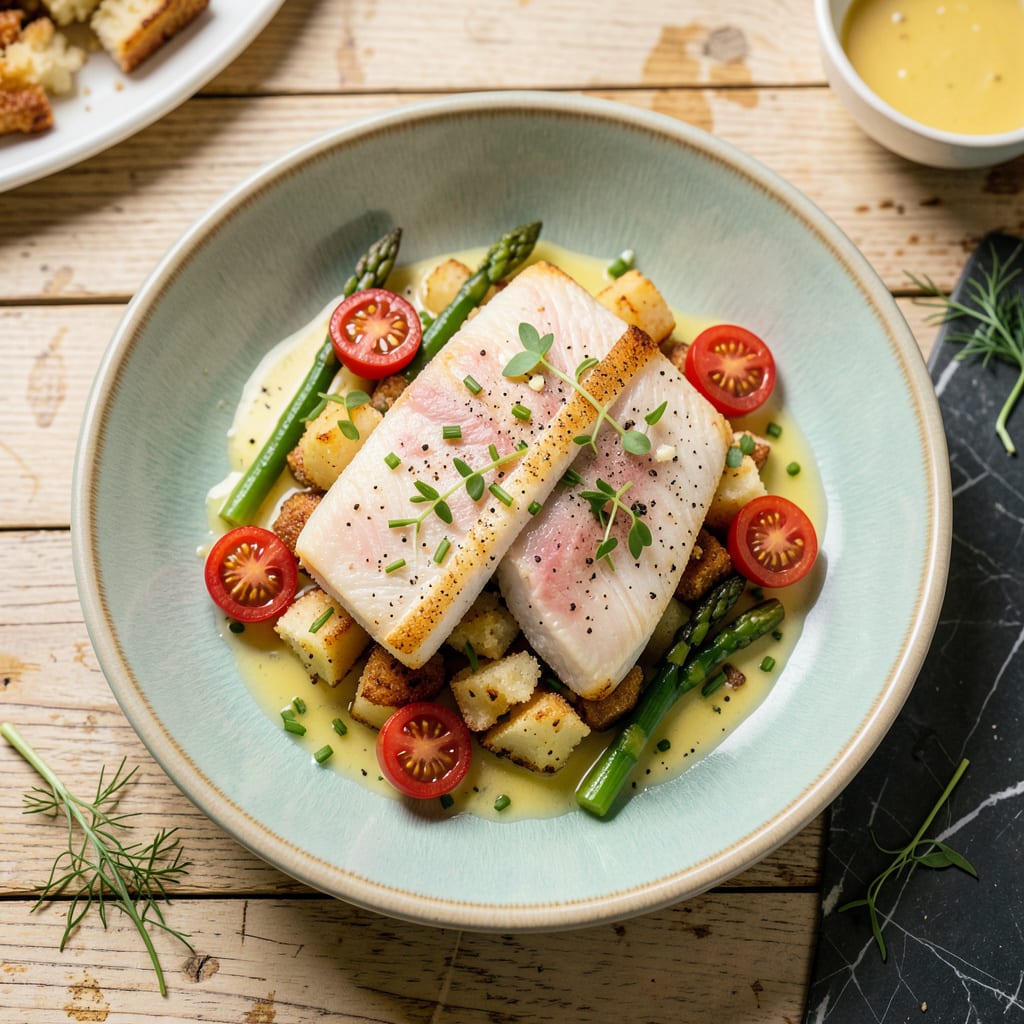
Let me tell you, cooking frozen smoked haddock doesn’t have to be complicated—this method delivers perfectly flaky fish with that rich smoky flavor intact. I’ve been working with smoked fish for years, and the biggest mistake people make is overthinking the process. You don’t need fancy equipment or hours of prep time to get this right.
The secret is treating the fish gently from frozen to finish. No need to thaw completely—just rinse under cold water to remove excess salt, then pat dry. This keeps the texture firm while preventing the fish from drying out. I prefer pan-frying in butter for that golden crust, but baking works just as well if you’re watching the fat.
What you’ll end up with is tender, flaky haddock that practically falls apart at the touch of a fork, with all that beautiful smoky depth still shining through. The flesh stays moist and delicate, never rubbery or dry. It’s the kind of simple, satisfying dish that makes weeknight dinners feel special without any extra effort.
Serve it with buttered potatoes and steamed greens, or flake it into chowder for next-level flavor. Either way, you’re looking at dinner on the table in 20 minutes flat. Here’s exactly how to make it happen.
📚 In This Guide
- What You’ll Need
- Instructions
- Tips and Common Mistakes
What Youll Need
- ● 1 lb (16 oz) frozen smoked haddock fillets – Look for skinless, boneless cuts for convenience 🐟
- ○ 1 tbsp unsalted butter or olive oil – For sautéing or baking (optional for extra richness)
- ● ½ cup milk or water – Helps poach or steam the fish to keep it moist
- ● 1 lemon – Sliced for garnish or a splash of juice (1 tbsp) for brightness
- ● Salt & black pepper – To taste (go light—smoked haddock is already flavorful!)
- ○ 1 tsp dried parsley or 1 tbsp fresh – Optional, for a fresh finish
- ○ 1 bay leaf or ½ tsp dried thyme – Optional, for extra aroma in poaching liquid
- ● Medium skillet (non-stick or stainless steel) – For stovetop methods
- ● Baking dish (8×8-inch or similar) – If oven-baking
- ● Aluminum foil or parchment paper – For steaming or easy cleanup
- ● Tongs or fish spatula – To flip fillets gently without breaking them
- ○ Meat thermometer – Optional but handy to check doneness (145°F internal temp)
- ● Paper towels – To pat dry thawed fish for crispier results
Instructions
Here’s the simple method I use to transform frozen smoked haddock into perfectly flaky, tender fillets every time.
Thaw the Haddock Safely
Remove the frozen smoked haddock from its packaging and place it in a sealed plastic bag. Submerge the bag in a bowl of cold water for 15-20 minutes, changing the water halfway through. This gentle thawing method preserves the delicate texture of the fish while preventing any loss of moisture.
Never use hot water or microwave thawing, as these methods can start cooking the fish unevenly and lead to a rubbery texture. You’ll know it’s properly thawed when the fillets bend slightly without resistance and feel uniformly cold to the touch.
Prepare the Poaching Liquid
In a wide skillet or sauté pan, combine enough water to cover the fillets by about 1 inch with a splash of milk or cream. I use about 2 cups water and ¼ cup milk for four fillets. The milk helps mellow the saltiness of the smoked fish while adding a subtle richness to the poaching liquid.
Add a bay leaf, a few peppercorns, and a slice of lemon to the liquid. Bring it to a gentle simmer over medium heat—you want to see small bubbles breaking the surface, not a rolling boil. The liquid should register about 180°F on an instant-read thermometer, which is the perfect temperature for gentle poaching.
Poach the Haddock to Flaky Perfection
Carefully slide the thawed haddock fillets into the simmering liquid. The fillets should be fully submerged—if not, add a bit more hot water. Reduce the heat to low and maintain a gentle simmer. Poach the fish for 8-10 minutes, depending on thickness.
You’ll know it’s done when the flesh turns opaque and begins to flake easily when tested with a fork. The internal temperature should reach 145°F. Be careful not to overcook—smoked haddock continues cooking slightly after you remove it from the heat, so it’s better to err on the side of underdone.
Rest and Serve
Using a slotted spatula, carefully transfer the poached haddock to a plate lined with paper towels. Let it rest for 2-3 minutes to allow any excess moisture to drain. This brief resting period helps the fish firm up slightly, making it easier to handle when serving.
The haddock should have a delicate, flaky texture that separates easily into perfect portions. Serve immediately while still warm, either as is or with a simple butter sauce. The smoky flavor will be perfectly balanced with the subtle sweetness of the fish, and the texture will be tender yet firm—never mushy or dry.
Tips and Common Mistakes
Perfecting this delicate fish is all about gentle handling and precise timing—here’s what I’ve learned from years of cooking smoked haddock.
The Thawing Secret: In Step 1, those 15-20 minutes in cold water make all the difference. I change the water exactly halfway through (at the 7-10 minute mark) to maintain the ideal temperature. This prevents any partial cooking while ensuring even thawing. If your fillets are particularly thick, you might need the full 20 minutes, but don’t exceed this—patience prevents that rubbery texture we want to avoid.
Temperature Control: When preparing the poaching liquid in Step 2, maintaining that 180°F temperature is crucial. I use an instant-read thermometer to check—small bubbles should just barely break the surface. If your liquid gets too hot, the fish will cook too quickly on the outside while staying raw inside. The milk addition isn’t just for flavor; it helps regulate the temperature and prevents the liquid from getting too aggressive.
Doneness Test: During the 8-10 minute poaching in Step 3, I test doneness by gently pressing the thickest part of the fillet with a fork. When it flakes easily but still has a slight resistance in the very center, it’s perfect. Remember that smoked haddock continues cooking for about a minute after removal, so pulling it at exactly 145°F internal temperature ensures it won’t overcook while resting.
Resting Matters: Those 2-3 minutes of resting in Step 4 aren’t just for draining—they allow the muscle fibers to relax. I place my fillets on paper towels in a single layer, not stacked, so they don’t steam and lose that perfect flaky texture. This brief rest makes the difference between fish that falls apart when served and beautiful, intact fillets.
Pro Tips for Cook Frozen Smoked Haddock
- Perfecting this delicate fish is all about gentle handling and precise timing—here’s what I’ve learned from years of …
- The Thawing Secret: In Step 1, those 15-20 minutes in cold water make all the difference. I change the water exactly …
- Temperature Control: When preparing the poaching liquid in Step 2, maintaining that 180°F temperature is crucial. I u…
Frequently Asked Questions
Do I need to thaw frozen smoked haddock before cooking?
Nope! One of the best things about smoked haddock is that you can cook it straight from frozen. Just add 2–3 extra minutes to your cooking time to ensure it’s heated through. Thawing first can make the texture mushy, so skip it unless a recipe specifically calls for it.
How long does it take to cook frozen smoked haddock?
Most methods (poaching, baking, or pan-frying) take 15–20 minutes for frozen fillets. For poaching, simmer gently for 12–15 minutes; baking at 375°F (190°C) takes about 18–20 minutes. Check for flakiness with a fork—when it separates easily, it’s done!
Can I use smoked haddock in place of regular haddock or cod?
Smoked haddock adds a rich, smoky depth, but you can swap it 1:1 in recipes like chowders, fish pies, or tacos. Just reduce added salt (smoked fish is saltier) and skip extra brining. For milder flavor, soak it in milk for 10 minutes before cooking.
Why did my smoked haddock turn out rubbery?
Overcooking is the usual culprit! Smoked haddock cooks fast—remove it from heat as soon as it flakes. Also, avoid boiling (gentle simmering is key for poaching). If baking, cover with foil to trap moisture. Pro tip: Let it rest 2–3 minutes off heat before serving.
What’s the best way to reheat leftover smoked haddock?
Gently warm it in a covered skillet with a splash of water or milk over low heat (3–4 minutes). Microwaving? Use 50% power in 30-second bursts. Avoid high heat—it dries out the fish. Leftovers work great in salads, pasta, or fish cakes!
Cooking frozen smoked haddock doesn’t have to be complicated—with the right technique, you can turn it into a flaky, flavorful masterpiece in under 20 minutes! 🎉 Whether you poach, bake, or pan-fry, the key is gentle heat and a watchful eye to preserve that smoky, buttery taste.
Now that you’ve got the know-how, why not experiment with sides? Try pairing your haddock with creamy mashed potatoes, a zesty lemon-dill sauce, or a fresh green salad. Ready to dive in? Grab your frozen fillets and get cooking—your next delicious meal is just minutes away! 🍽️

Trained in classic French technique but raised on slow-cooked ribs and spicy rubs, she blends culinary skill with smoke and soul.
- Recipe for Boneless Pork Chops in Cast Iron Skillet: Sear and Baste to Juicy Perfection - October 3, 2026
- Recipe for Boneless Cross Rib Roast: Slow-Roasted Beef with Herb Crust - October 3, 2026
- Hamburgers in Sauce Recipe Crock Pot: Slow-Cooked Savory Delight - October 3, 2026