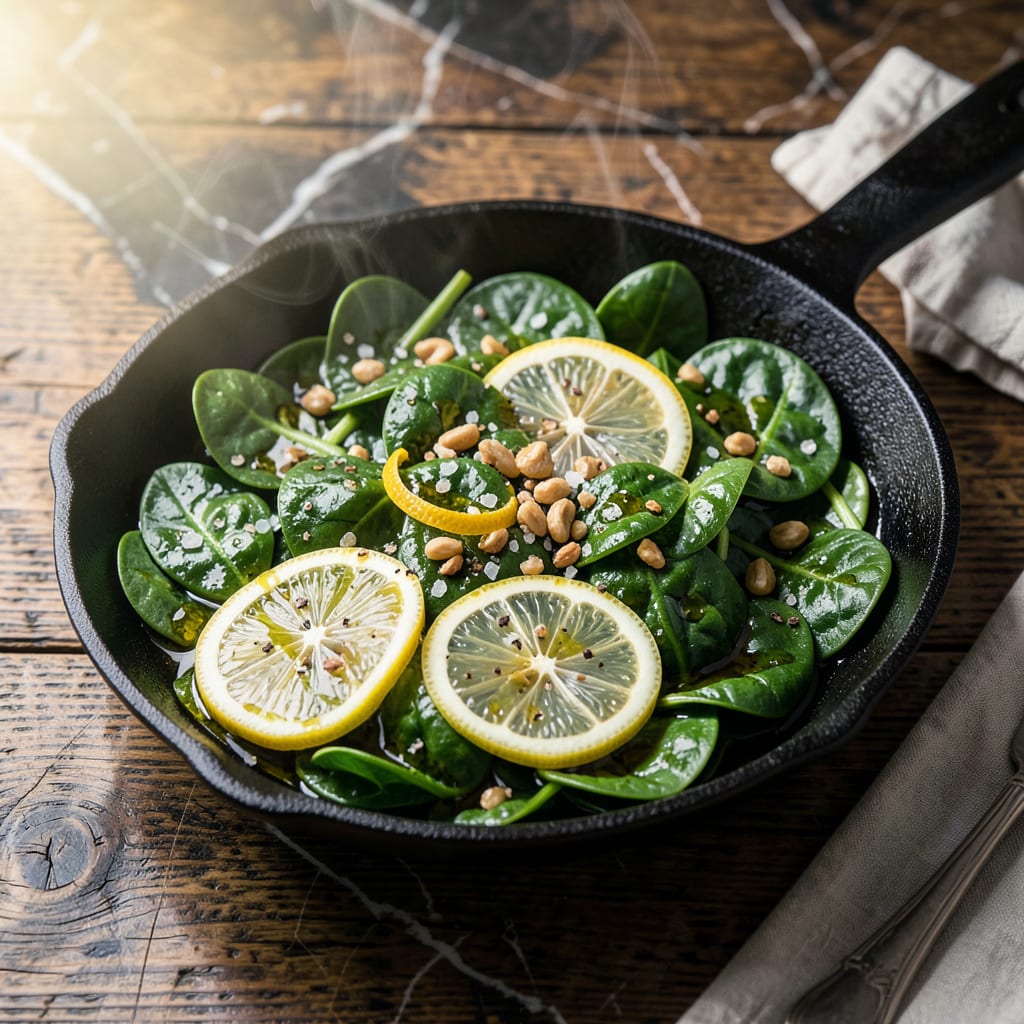
Here’s the thing—most people accidentally drain all the good stuff out of spinach before it even hits the plate. I learned this the hard way after years of boiling my greens into sad, nutrient-depleted mush. The game-changer? Quick steaming preserves up to 90% of spinach’s vitamins while keeping that vibrant green color we all love.
Spinach is packed with iron, vitamin K, and antioxidants, but traditional boiling leaches most of those into the water. My go-to method takes under 5 minutes—just enough heat to wilt the leaves while locking in nutrients. No fancy equipment needed, just a pot with a steamer basket or even a colander over boiling water works perfectly.
What you’ll get is tender but still bright green spinach that maintains its texture and nutritional punch. I always finish with a squeeze of lemon (boosts iron absorption) and a drizzle of olive oil (helps absorb fat-soluble vitamins). It’s the kind of simple technique that makes healthy eating actually satisfying.
This method works for fresh or frozen spinach, and you can use the cooked greens in everything from omelets to grain bowls. Let’s get those nutrients on your plate where they belong.
📚 In This Guide
- What You’ll Need
- Instructions
- Tips and Common Mistakes
What Youll Need
- ● Fresh spinach – 1 bunch (~10 oz) or 6 cups loose leaves (organic preferred for fewer pesticides 🌱). Avoid wilted or yellow leaves.
- ○ Water – ½ cup (filtered or distilled for best taste). Optional: Use vegetable broth for extra flavor.
- ● Steamer basket – Stainless steel or bamboo (fits snugly in your pot). Alternative: A heatproof colander over a pot works too!
- ● Medium pot – 2–3 quarts with a tight-fitting lid (glass lids let you peek without lifting 👀).
- ● Sharp knife – Chef’s or santoku knife for chopping stems (if using mature spinach).
- ● Cutting board – Wood or plastic, at least 8×10 inches.
- ● Tongs or slotted spoon – For easy spinach transfer post-steaming.
- ● Timer – Digital or phone app (precision matters—overcooking = nutrient loss ⏳).
- ○ Bowl of ice water – Optional for blanching (if you prefer brighter green color).
- ○ Lemon juice or olive oil – Optional 1 tsp for dressing (boosts iron absorption 🍋).
- ○ Salt – Optional Pinch of Himalayan or sea salt to taste (add after cooking).
Instructions
Here’s the simple method I use to preserve all those valuable nutrients while making perfectly tender spinach.
Select and Prepare Fresh Spinach
Start with the freshest spinach you can find—look for bright green leaves that aren’t wilted or slimy. I prefer baby spinach for its tender texture and mild flavor, but regular spinach works too. Give it a thorough rinse under cold running water to remove any dirt or grit that might be hiding in the leaves.
Don’t soak the spinach, as this can leach out water-soluble nutrients before you even start cooking. Instead, swish it gently in a colander while rinsing. Shake off excess water but don’t dry it completely—a little moisture helps with the steaming process. Remove any thick stems if using mature spinach, as they take longer to cook.
Use Minimal Water for Quick Steaming
Place a large skillet or pot with a tight-fitting lid over medium-high heat. Add just 2 tablespoons of water—this creates the perfect amount of steam without boiling the spinach. The key is using the least amount of water possible to minimize nutrient loss through leaching.
Once the water begins to simmer, add your prepared spinach. It will look like way too much at first, but spinach wilts dramatically. Cover immediately with the lid to trap the steam. Let it cook for exactly 1-2 minutes—you’ll see the leaves turn bright green and begin to collapse. This quick cooking time preserves both texture and nutrients.
Monitor Doneness Carefully
After 1 minute, give the spinach a quick stir with tongs to ensure even cooking. The leaves should be just wilted but still vibrant green—not mushy or dull-colored. Overcooking is the enemy here, as prolonged heat breaks down nutrients like vitamin C and folate.
Test a leaf—it should be tender but still have some structure when you bite it. The entire process should take no more than 2 minutes total. As soon as it’s done, transfer the spinach to a colander and press gently with a spoon to remove any excess liquid. This prevents the spinach from continuing to cook in its own heat and becoming soggy.
Serve Immediately for Best Results
Spinach is best enjoyed right after cooking when its nutrients are most intact. I like to transfer it to a serving bowl and toss with just a drizzle of extra virgin olive oil and a pinch of sea salt. The healthy fats in the oil actually help your body absorb fat-soluble vitamins like A, D, E, and K from the spinach.
If you need to hold it briefly, keep it in the colander over a bowl of ice water to stop the cooking process completely. Never let cooked spinach sit at room temperature for more than 20 minutes, as this can lead to both nutrient degradation and potential bacterial growth. This quick method gives you perfectly cooked spinach that retains its bright color, delicate texture, and maximum nutritional value.
Tips and Common Mistakes
These quick insights will help you master the steaming process while keeping every bit of nutritional value intact.
Heat Control: The medium-high heat specified in Step 2 is crucial—too high and you’ll scorch the leaves, too low and they’ll stew instead of steam. I watch for the water to reach a gentle simmer before adding spinach, which should happen in about 30 seconds. This ensures the perfect steam environment without boiling.
Water Wisdom: Those 2 tablespoons of water might seem insufficient, but trust me—it’s all you need. The residual moisture on the leaves after rinsing combines with this small amount to create ideal steam. Adding more water would start leaching nutrients, which is exactly what we’re trying to avoid.
Timing Secret: The 1-2 minute cooking window in Step 3 is non-negotiable for nutrient preservation. I set a timer for exactly 1 minute, then check for doneness. The leaves should collapse but still have some structure. At the 2-minute mark, they should be perfectly tender but still vibrant green—not a second longer.
Serving Strategy: The instruction to serve immediately isn’t just about taste—it’s about nutrition. After 20 minutes at room temperature, spinach starts losing vitamin C and folate rapidly. If you must hold it, the ice water bath method in Step 4 stops this degradation completely while maintaining perfect texture.
Pro Tips for Cook Spinach Without Losing Nutrients
- These quick insights will help you master the steaming process while keeping every bit of nutritional value intact.
- Heat Control: The medium-high heat specified in Step 2 is crucial—too high and you’ll scorch the leaves, too low and …
- Water Wisdom: Those 2 tablespoons of water might seem insufficient, but trust me—it’s all you need. The residual mois…
Frequently Asked Questions
Does cooking spinach destroy all its nutrients?
Not all! While heat can reduce some vitamins (like vitamin C), light cooking boosts others (like beta-carotene). Steaming or sautéing briefly preserves most nutrients—just avoid overcooking! Pro tip: Pair cooked spinach with healthy fats (olive oil, nuts) to absorb fat-soluble vitamins better.
How long should I cook spinach to keep nutrients?
Keep it quick! Steam for 1–2 minutes or sauté for 3–5 minutes until just wilted. Overcooking (beyond 10 minutes) leaches water-soluble vitamins like B vitamins and vitamin C into the water. Use minimal water and save the liquid for soups or sauces!
Is raw spinach healthier than cooked?
Both have pros! Raw spinach retains more vitamin C and folate, but cooking increases antioxidant availability (like lutein) and reduces oxalates (which can block mineral absorption). For max benefits, eat a mix of raw (salads) and lightly cooked (steamed/stir-fried) spinach.
What’s the best cooking method to preserve spinach nutrients?
Steaming wins! It uses no oil and minimal water, retaining up to 90% of nutrients. Microwaving (in a covered dish) is a close second. Avoid boiling—it drains vitamins into the water. For flavor, try a quick garlic-olive oil sauté (under 5 minutes).
Can I freeze cooked spinach without losing nutrients?
Yes, but blanch it first! Steam for 2 minutes, cool in ice water, then freeze. This locks in nutrients and color. Frozen spinach retains most vitamins for 3–6 months. Avoid thawing before cooking to prevent mushiness—toss it straight into dishes!
Cooking spinach the right way ensures you keep its powerhouse nutrients intact—without sacrificing flavor! 🥗 By opting for quick steaming, minimal heat, and smart prep, you lock in vitamins like folate, iron, and vitamin K while making it delicious. Whether you’re meal prepping or whipping up a last-minute side, these simple tricks make healthy eating effortless.
Ready to put it into action? Try steaming a batch tonight and pair it with your favorite protein or grains. Your body (and taste buds) will thank you! 💪

Trained in classic French technique but raised on slow-cooked ribs and spicy rubs, she blends culinary skill with smoke and soul.
- Recipe for Boneless Pork Chops in Cast Iron Skillet: Sear and Baste to Juicy Perfection - October 3, 2026
- Recipe for Boneless Cross Rib Roast: Slow-Roasted Beef with Herb Crust - October 3, 2026
- Hamburgers in Sauce Recipe Crock Pot: Slow-Cooked Savory Delight - October 3, 2026