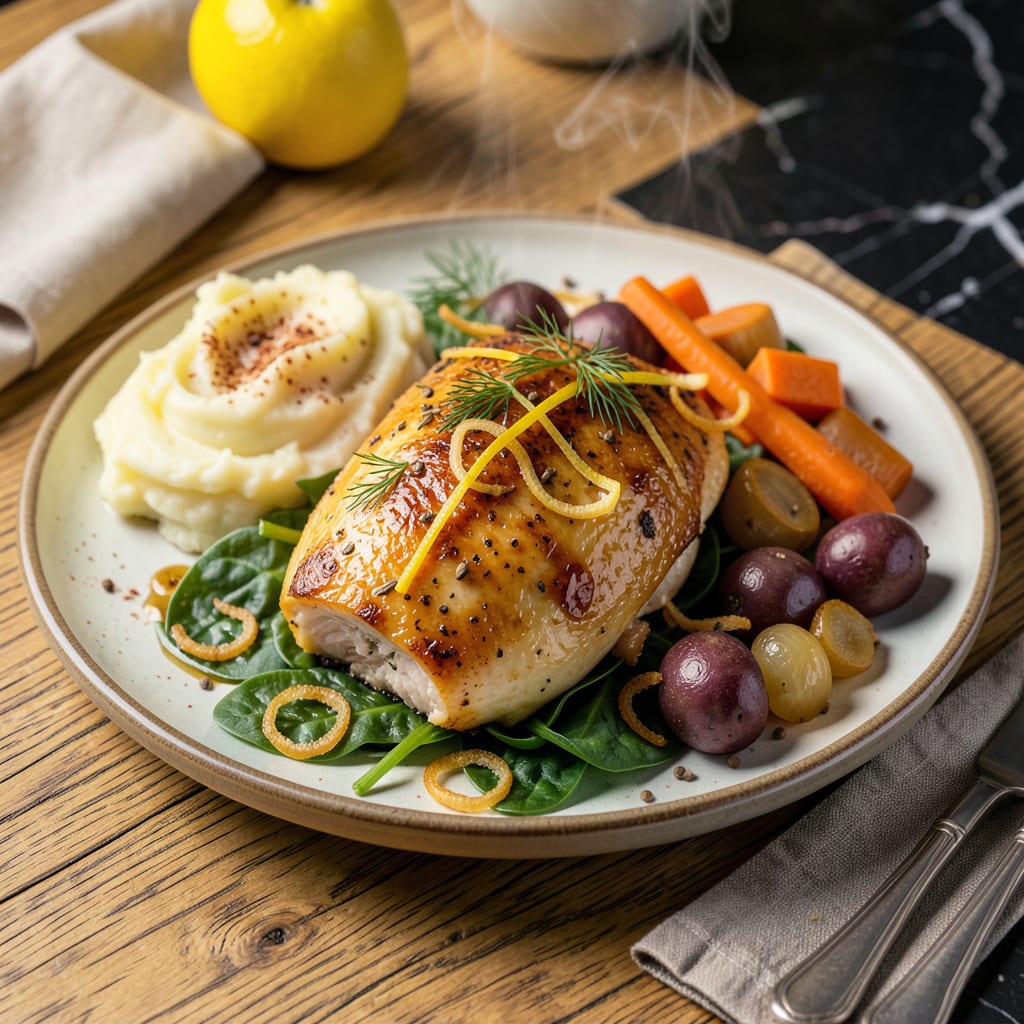
Dill can be a tricky herb—too much, and suddenly your dish tastes like a pickle factory exploded. I’ve been there, staring at an overpowering pot of soup or a dip that went from fresh to soapy in one extra sprinkle. The good news? There are quick, science-backed fixes to balance that dill overload without starting from scratch.
Different dishes need different approaches. For creamy sauces or dips, fat is your friend—it dilutes dill’s intensity while adding richness. In broths or soups, acidity cuts through the herb’s grassy notes. And for dry rubs or marinades? A little sweetness or earthy spice can redirect the flavor profile entirely. I’ve tested these methods in my own kitchen (and saved many meals from the compost bin).
Here’s what works: lemon juice to brighten, heavy cream to soften, smoked paprika to distract. Each fix has a purpose, and I’ll give you exact ratios so you’re not left guessing. No fancy ingredients required—just pantry staples and a little know-how. These aren’t just band-aids; they’re flavor transformations that’ll make your dish taste intentional, not accidental.
And because I’d rather prevent the problem than fix it, I’ll share my go-to trick for taming dill before it takes over. Hint: it involves heat and a watchful eye. Let’s turn that dill disaster into something delicious—fast.
📚 In This Guide
- What You’ll Need
- Instructions
- Tips and Common Mistakes
What Youll Need
- ● Neutralizing ingredients: 1–2 tbsp lemon juice or white vinegar (per cup of dish) 🍋
- ● ½–1 tsp sugar or honey (adjust to taste)
- ● ¼ cup plain yogurt or sour cream (for creamy dishes)
- ● 1–2 tbsp olive oil or butter (to mellow sharpness)
- ● Balancing spices/herbs (pick 1–2): ½ tsp ground cumin, paprika, or garlic powder
- ● 1 tsp fresh parsley, cilantro, or basil (chopped)
- ● 1 bay leaf (simmered in soups/stews, then removed)
- ● Tools: Tasting spoons (clean, for repeated checks)
- ● Measuring spoons (¼ tsp–1 tbsp precision)
- ○ Optional: pH strips (to test acidity if adjusting vinegar/lemon)
- ● Prerequisites: Your over-dilled dish (hot or cold—works for both!)
- ● Patience to taste between adjustments (flavors need 2–3 mins to blend).
Instructions
Here’s exactly how to fix an overpowering dill flavor—simple, effective, and fast.
Identify the Dish Type and Dill Form
First, determine whether you’re dealing with fresh or dried dill, as they behave differently. Fresh dill has a brighter, grassier flavor that dissipates more easily, while dried dill is more concentrated and earthy. Check if the dill is the sole issue or if other herbs are contributing to the imbalance.
Next, consider the dish type. Is it a soup, sauce, salad, or cooked dish? Liquid-based dishes (like soups or sauces) allow for easier dilution, while dense or dry dishes (like potato salad or dips) require different approaches. This assessment will guide your correction strategy.
Dilute or Bulk Up the Dish
For soups, stews, or sauces, the quickest fix is to add more liquid—either the base liquid (broth, water, cream) or additional neutral ingredients like cooked potatoes, rice, or pasta. Increase the volume by 25-50% to balance the dill without altering the dish’s character.
For salads or grain dishes, add more of the primary ingredient (lettuce, grains, or vegetables) to distribute the dill flavor more evenly. If it’s a dip or spread, blend in more of the base (yogurt, sour cream, or mayo) to soften the intensity. The goal is to maintain the dish’s integrity while reducing dill dominance.
Neutralize with Acid or Sweetness
Dill’s grassy notes can be tamed with acidity. Add a splash of lemon juice, vinegar, or white wine—start with 1 teaspoon and taste as you go. The acid brightens the dish and cuts through the herb’s intensity without masking it completely.
Alternatively, a touch of sweetness can counterbalance dill’s sharpness. Stir in ½ teaspoon of honey, sugar, or maple syrup, or add naturally sweet ingredients like carrots, corn, or roasted red peppers. Sweetness rounds out the flavor profile, making the dill less jarring.
Add Competing Flavors or Textures
Introduce bold, complementary flavors to overshadow the dill. For savory dishes, add garlic, smoked paprika, or mustard—these ingredients stand up to dill’s assertiveness. In creamy dishes, a sprinkle of grated Parmesan or feta adds richness that mellows the herb.
Texture can also distract from the flavor imbalance. Top the dish with toasted nuts, crispy onions, or croutons to provide contrast. The crunch and additional flavors create a more complex eating experience, making the dill less noticeable.
Let Time Work in Your Favor
If possible, let the dish rest for 30-60 minutes before serving. Dill’s volatile compounds will mellow slightly over time, especially in warm or room-temperature dishes. For cold dishes like tzatziki or potato salad, refrigerate for at least 2 hours—the flavors will blend and soften.
If the dill is still overpowering after adjustments, consider repurposing the dish. Turn a soup into a sauce by reducing it, or blend an over-herbed dip into a marinade where the dill will be one note among many. Sometimes, the fix isn’t removing the dill but giving it a new context.
Tips and Common Mistakes
These quick adjustments will help you salvage dishes when dill takes over, ensuring balanced flavors every time.
Flavor Balancing Strategy: When working with Step 3’s acid or sweetness approach, remember that lemon juice and vinegar behave differently. Lemon juice adds brightness and complexity, while vinegar provides sharper acidity. For the 1 teaspoon starting point, white wine vinegar works beautifully in savory dishes, while apple cider vinegar complements sweeter preparations. The key is gradual addition—taste after each ½ teaspoon increment to avoid overcorrecting.
Texture Consideration: In Step 4, when adding competing textures, consider the dish’s original character. For creamy dishes like tzatziki or dips, crispy elements (like toasted pine nuts or fried shallots) create wonderful contrast. For heartier dishes like potato salad, opt for chewy additions (sun-dried tomatoes or diced pickles) that stand up to the existing texture. The goal is enhancement, not distraction.
Timing Precision: The 30-60 minute resting period in Step 5 isn’t just about flavor mellowing—it’s about integration. For warm dishes, cover loosely with parchment paper to allow steam to escape while keeping heat in. This prevents condensation from diluting flavors. For cold dishes, the 2-hour refrigeration minimum is crucial; shorter times won’t allow the dill’s volatile compounds to fully disperse through the matrix.
Dilution Technique: When applying Step 2’s volume increase, think about the dish’s base flavor profile. For broth-based soups, use the same broth to maintain consistency. For creamy sauces, whole milk works better than heavy cream for dilution—it lightens the texture without making it overly rich. Remember that the 25-50% increase is a guideline; start at 25%, then reassess before adding more.
Pro Tips for Counteract Too Much Dill
- These quick adjustments will help you salvage dishes when dill takes over, ensuring balanced flavors every time.
- Flavor Balancing Strategy: When working with Step 3’s acid or sweetness approach, remember that lemon juice and vineg…
- Texture Consideration: In Step 4, when adding competing textures, consider the dish’s original character. For creamy …
Frequently Asked Questions
Can I fix a dish with too much dill after it’s already cooked?
Try balancing the flavor by adding acidic ingredients (lemon juice, vinegar) or sweetness (honey, sugar). For creamy dishes, stir in more dairy (sour cream, yogurt). If it’s a soup or stew, dilute with broth or water and adjust seasoning. Taste as you go!
How long does it take for fixes like lemon juice or sugar to work?
Most adjustments work instantly! Acid (lemon, vinegar) neutralizes dill’s grassy taste in seconds, while sugar or salt may need 5–10 minutes to blend. For simmered dishes (soups, sauces), let flavors meld for 10–15 minutes before retasting.
What’s the best dill substitute if I’ve overdone it and need to rebalance?
Swap dill’s intensity with milder herbs like parsley, chives, or basil. For warmth, try a pinch of tarragon or fennel fronds. In dressings or dips, a dash of dijon mustard or garlic can redirect the flavor profile.
Why does my dish taste soapy after adding too much dill?
Dill’s carvone compound can taste soapy in excess. To fix it, add fat (butter, olive oil) or umami (soy sauce, parmesan) to mask bitterness. Avoid more herbs—stick to contrasting flavors like citrus or spice (red pepper flakes).
Can I remove dill from a dish after adding it?
Not easily, but you can dilute it! For sauces or dressings, double the base (mayo, yogurt) and re-season. In solid dishes (potatoes, rice), add plain cooked grains/veggies to stretch the mixture. Pro tip: Strain broths if dill is overwhelming.
Too much dill doesn’t have to ruin your dish! With a few simple tweaks—like balancing with acid, sweetness, or bold spices—you can easily salvage your meal and even discover new flavor combos. 🌿✨ Next time you’re cooking, start with smaller amounts of dill and taste as you go. Ready to experiment? Try one of these fixes in your next recipe and see how a little adjustment can make a big difference!

Trained in classic French technique but raised on slow-cooked ribs and spicy rubs, she blends culinary skill with smoke and soul.
- Recipe for Boneless Pork Chops in Cast Iron Skillet: Sear and Baste to Juicy Perfection - October 3, 2026
- Recipe for Boneless Cross Rib Roast: Slow-Roasted Beef with Herb Crust - October 3, 2026
- Hamburgers in Sauce Recipe Crock Pot: Slow-Cooked Savory Delight - October 3, 2026