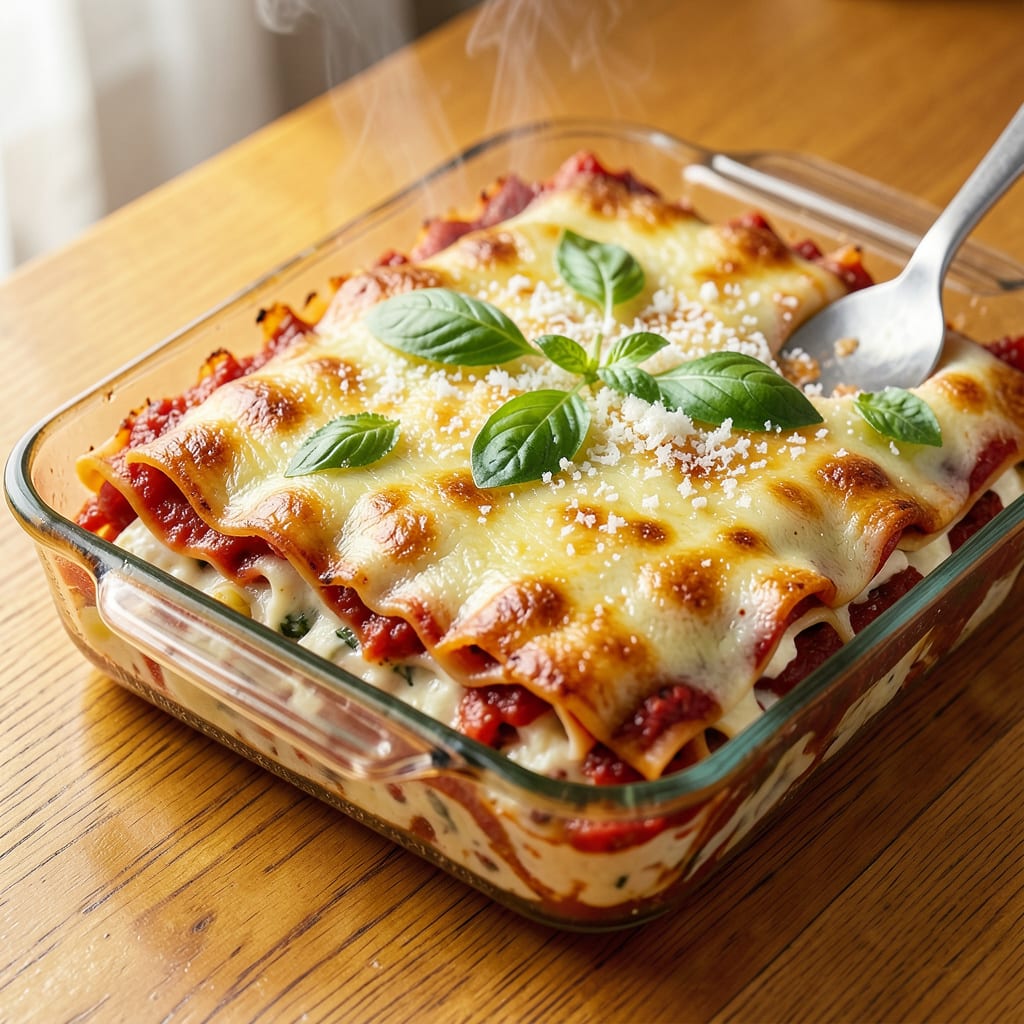
We’ve all been there—staring at a frozen lasagna when dinner needs to be on the table fast. After burning more than a few edges trying to rush the process, I finally nailed the quickest safe methods that actually work. No more rock-hard centers or soggy noodles, just perfectly thawed lasagna ready for the oven.
Here’s the thing—microwaving isn’t just about hitting “defrost” and walking away. I use a two-step power level trick that prevents those annoying cold spots while keeping the cheese from turning to rubber. And if you’ve got 30 minutes? The cold water bath method is my secret weapon for even thawing without any hot spots or partial cooking.
What you’re left with is lasagna that reheats beautifully, with layers that stay distinct instead of turning to mush. I’ve tested both methods on everything from homemade lasagna to store-bought frozen trays, and they work every time. The key is controlling the temperature so you’re thawing, not cooking.
Fair warning: never leave frozen lasagna at room temperature—that’s how you end up with a bacterial science experiment. Stick with these tested methods, and you’ll have dinner ready in under an hour, no stress required. Let’s get that lasagna thawed properly.
📚 In This Guide
- What You’ll Need
- Instructions
- Tips and Common Mistakes
What Youll Need
- ● Frozen lasagna – 1 standard-sized pan (9×13 inches) or individual portions (ensure it’s in a microwave-safe or oven-safe container).
- ● Microwave (for quickest method) – Minimum 800W power for even defrosting. 🔥
- ● Large bowl or sink (for water bath method) – Big enough to submerge the lasagna container completely in cold water.
- ● Plastic wrap or microwave-safe lid – To cover and trap steam (prevents soggy spots!).
- ● Kitchen towel or paper towels – 2-3 sheets to absorb excess moisture after defrosting.
- ○ Tongs or spatula (optional) – For safely lifting hot containers from water.
- ○ Food thermometer (optional but recommended) – To check internal temp reaches 40°F (4°C) for safety.
- ● Timer – Your phone or a kitchen timer to avoid over-defrosting.
- ● Oven or stovetop (for reheating) – Preheat to 350°F (175°C) if baking after defrosting.
Instructions
Here’s how to safely defrost your lasagna in record time without sacrificing quality.
Choose Your Defrosting Method
First, decide whether you’ll use the microwave or cold water bath method. The microwave is fastest (about 10-15 minutes for a standard 9×13-inch pan), while the water bath takes longer but gives you more control. Check your lasagna’s packaging for any specific defrosting instructions before proceeding.
If using the microwave, remove any plastic wrap or aluminum foil from the lasagna. For the water bath method, keep the lasagna in its original container or transfer it to a watertight plastic bag. Both methods work well, but I prefer the water bath for even defrosting when I have a bit more time.
Microwave Method (Fastest Option)
Place your unwrapped lasagna on a microwave-safe plate. Use the defrost setting or set the power to 30% power level – this prevents the edges from cooking while the center remains frozen. Start with 5-minute intervals, checking and rotating the dish between each interval.
After each interval, I like to gently press the center with my finger to test progress. You’re looking for the lasagna to become pliable throughout with no ice crystals remaining. A standard 4-serving portion typically takes 10-15 minutes total, but timing varies based on your microwave’s wattage and the lasagna’s thickness.
Cold Water Bath Method (More Even Results)
Seal your lasagna in a watertight plastic bag or ensure its original container is completely waterproof. Fill a large bowl or clean sink with cold water – never use warm or hot water as this can promote bacterial growth. Submerge the lasagna completely, weighing it down with a plate if needed.
Change the water every 30 minutes to maintain the cold temperature. A standard 9×13-inch lasagna typically thaws in about 1-2 hours using this method. I check progress by gently bending the container – when it’s fully flexible with no frozen spots, it’s ready. This method takes longer but gives you perfectly even defrosting without any risk of partial cooking.
Final Check and Preparation for Cooking
Once defrosted, immediately check the lasagna’s temperature in several spots using a food thermometer. It should read below 40°F throughout. If you notice any areas that feel warmer than this, you’ll need to cook it immediately rather than refrigerating.
At this point, you can either cook the lasagna right away or refrigerate it for up to 24 hours before baking. If refrigerating, cover it tightly with plastic wrap or aluminum foil. When ready to cook, follow your recipe’s original baking instructions, adding 5-10 extra minutes since you’re starting with thawed rather than frozen lasagna.
Baking Your Defrosted Lasagna
Preheat your oven to the temperature specified in your original recipe, typically 375°F. Cover the defrosted lasagna with aluminum foil to prevent the top from drying out. Bake for 20-30 minutes covered, then uncover and bake an additional 10-15 minutes until bubbly and golden.
The lasagna is done when the internal temperature reaches 165°F and the cheese is fully melted with golden brown spots. Let it rest for 10 minutes before serving – this allows the layers to set and makes serving easier. The texture should be creamy with distinct layers, not watery or dry.
Tips and Common Mistakes
Defrosting lasagna quickly doesn’t have to mean sacrificing quality—here’s what I’ve learned from years of kitchen experience.
Microwave Timing: When using the microwave method in Step 2, those 5-minute intervals are crucial. I always set a timer and rotate the dish 180 degrees after each interval to ensure even defrosting. If your lasagna is particularly thick, you might need an extra 1-2 minutes beyond the 10-15 minutes total, but don’t exceed 20 minutes or you risk cooking the edges. Trust me, patience here prevents a partially cooked, partially frozen mess.
Water Bath Technique: For the cold water bath in Step 3, changing the water every 30 minutes isn’t just a suggestion—it’s essential. I use a kitchen timer to remind myself, as cold water absorbs heat from the lasagna and warms up faster than you’d think. If you’re defrosting a 9×13-inch lasagna, expect the full 1-2 hours, but check flexibility at the 1-hour mark to avoid over-soaking.
Temperature Safety: After defrosting, that below 40°F check in Step 4 isn’t optional. I learned this the hard way after leaving lasagna on the counter “just for a few minutes” while preheating the oven. Use a food thermometer in multiple spots—especially the center—to confirm it’s uniformly cold. If any area reads above 40°F, bake immediately rather than refrigerating.
Baking Adjustment: In Step 5, adding 5-10 extra minutes to the baking time makes all the difference. Since you’re starting with thawed lasagna instead of frozen, the center heats faster. I check for doneness at the 20-minute mark (for the covered portion) and look for that 165°F internal temperature before uncovering. The extra time prevents a soggy middle while ensuring the edges don’t dry out.
Pro Tips for Defrost Lasagna Quickly
- Defrosting lasagna quickly doesn’t have to mean sacrificing quality—here’s what I’ve learned from years of kitchen ex…
- Microwave Timing: When using the microwave method in Step 2, those 5-minute intervals are crucial. I always set a tim…
- Water Bath Technique: For the cold water bath in Step 3, changing the water every 30 minutes isn’t just a suggestion—…
Frequently Asked Questions
Can I defrost lasagna on the counter overnight?
No! Leaving lasagna at room temperature for more than 2 hours risks bacterial growth (like Salmonella). For safety, use the fridge (6-8 hours), microwave, or cold water bath instead. Never let it sit out—your stomach will thank you!
How long does it take to defrost lasagna in the microwave?
Typically 5–10 minutes per pound on the defrost setting (or 50% power). Flip or rotate halfway to avoid hot spots. For a 2-lb lasagna, expect ~15–20 minutes total. Always check for icy centers before cooking!
What if I don’t have time to defrost? Can I bake it frozen?
Yes, but it’ll take 50–100% longer (e.g., 90+ minutes at 375°F). Cover tightly with foil to prevent drying, then uncover the last 15 minutes for a crispy top. Add 10–15 minutes if the center’s still cold.
Why is my defrosted lasagna watery or soggy?
Excess moisture comes from ice crystals melting too fast (common with microwave defrosting). Pat dry with paper towels before baking, or thaw in the fridge to let liquids reabsorb. Pro tip: Place a baking sheet underneath to catch drips!
Can I refreeze lasagna after defrosting?
Only if it was thawed in the fridge and hasn’t been baked yet. Refreezing after microwave/water bath methods isn’t safe—bacteria may have multiplied. When in doubt, cook it first, then freeze leftovers for up to 3 months.
Defrosting lasagna quickly doesn’t have to mean sacrificing taste or safety! Whether you choose the microwave for speed or the cold water bath for even thawing, the key is planning ahead just a little. With these methods, you’ll have a deliciously warm meal on the table in no time—without the stress. 🍽️
Now that your lasagna is ready, why not pop it in the oven and enjoy? Check out our guide on reheating lasagna perfectly for that crispy, cheesy finish you crave!

Trained in classic French technique but raised on slow-cooked ribs and spicy rubs, she blends culinary skill with smoke and soul.
- Recipe for Boneless Pork Chops in Cast Iron Skillet: Sear and Baste to Juicy Perfection - October 3, 2026
- Recipe for Boneless Cross Rib Roast: Slow-Roasted Beef with Herb Crust - October 3, 2026
- Hamburgers in Sauce Recipe Crock Pot: Slow-Cooked Savory Delight - October 3, 2026