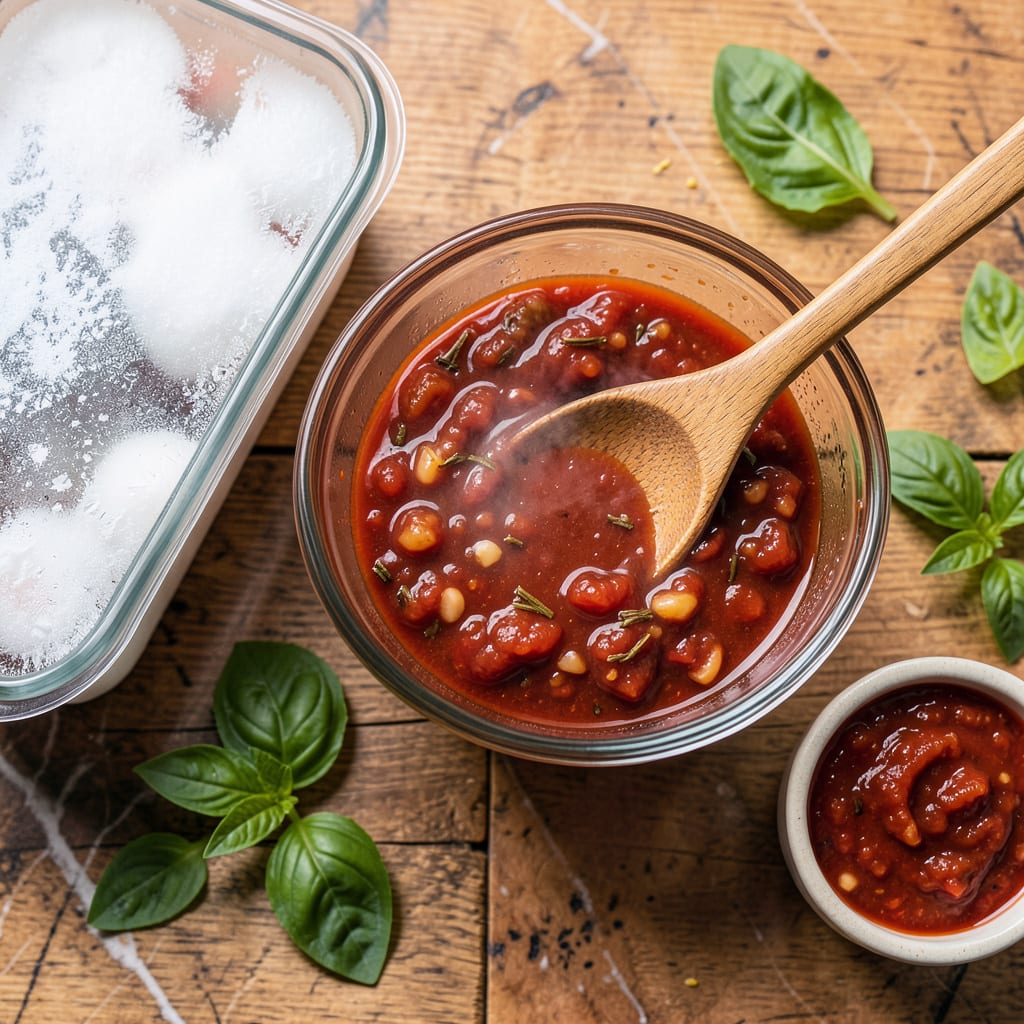
Ever pulled frozen pasta sauce from the freezer only to realize you have no idea how to thaw it properly? I’ve been there—standing in front of the microwave, wondering if I’m about to ruin dinner. The good news is there are quick, safe methods to defrost pasta sauce without sacrificing flavor or texture.
Here’s the thing—pasta sauce is mostly water, which means it thaws differently than solid foods. I learned this the hard way after ruining a batch by microwaving it too fast. The key is controlling the temperature to avoid that weird separated texture or, worse, bacterial growth. Whether you’ve got 15 minutes or planned ahead, I’ll show you the best ways to handle it.
What you’ll end up with is perfectly thawed sauce that’s ready for pasta night, pizza base, or even as a quick soup starter. No more last-minute panics when you forget to take it out of the freezer. I’ve tested all the methods so you don’t have to—just pick the one that fits your timeline.
Fair warning: some methods work better for smooth sauces versus chunky ones. I’ll cover those differences too. Let’s get that sauce ready to use without the stress.
📚 In This Guide
- What You’ll Need
- Instructions
- Tips and Common Mistakes
What Youll Need
- ● Frozen pasta sauce – 1 container (store-bought or homemade, in a freezer-safe bag, jar, or airtight container)
- ● Microwave-safe bowl or plate – 1 (for microwave thawing, preferably deep to prevent spills)
- ● Cold water – Enough to submerge the sauce container (for the cold-water method)
- ● Large bowl or sink – 1 (to hold water for thawing)
- ● Plastic wrap or lid – 1 (to cover the container if microwaving)
- ● Spoon or spatula – 1 (for stirring and breaking up ice chunks)
- ● Refrigerator space – If using the overnight fridge method (plan ahead!)
- ○ Thermometer (optional) – To check internal temp (should reach 40°F/4°C for safety)
- ○ Stovetop pot (optional) – For reheating after thawing (if not using the microwave)
Instructions
Here’s how to thaw your pasta sauce safely while keeping all that rich flavor intact.
Plan Ahead for Refrigerator Thawing
For the safest method, transfer your frozen pasta sauce from the freezer to the refrigerator. Place it in a bowl or on a plate to catch any condensation that might form as it thaws. This slow, controlled thawing preserves texture and prevents bacterial growth.
Allow at least 12 hours for a standard 16-ounce container to thaw completely. Larger quantities may need up to 24 hours. You’ll know it’s ready when you can easily stir the sauce with a spoon and there are no ice crystals remaining.
Use the Cold Water Bath for Faster Thawing
When you’re short on time, place the sealed container of frozen sauce in a large bowl. Fill the bowl with cold water until the sauce container is fully submerged. The water should be cold, not warm—this prevents the outer layer from thawing too quickly while the center stays frozen.
Change the water every 30 minutes to maintain the cold temperature. A 16-ounce container will typically thaw in about 2-3 hours using this method. You’ll feel the container become flexible when the sauce is fully thawed and ready to use.
Microwave Thawing for Immediate Use
For the quickest method, transfer the frozen sauce to a microwave-safe container. Use the defrost setting or set the power to 50% to prevent cooking the edges while the center remains frozen. Start with 2-minute intervals, stirring between each, until the sauce is mostly thawed.
Be careful not to overdo it—you want the sauce thawed but not hot. I recommend stopping when there are still small ice crystals visible, as they’ll melt during reheating. This method typically takes 6-8 minutes for a 16-ounce portion, depending on your microwave’s power.
Reheat Gently to Preserve Flavor
Once thawed, transfer the sauce to a saucepan and warm it over low to medium heat. Stir frequently to prevent scorching on the bottom. You’ll notice the sauce becomes smooth and uniform in texture as it heats through.
If the sauce appears separated after thawing, don’t worry—this is normal. A gentle simmer for 3-5 minutes while stirring will bring it back together. Taste and adjust seasoning if needed, as freezing can sometimes mute flavors slightly. The sauce is ready when it reaches a gentle simmer and coats the back of a spoon.
Tips and Common Mistakes
These practical insights will help you thaw your pasta sauce perfectly while avoiding common pitfalls.
Refrigerator Method Optimization: When using the 12-24 hour refrigerator thawing method from Step 1, place your container on the bottom shelf where temperatures are most consistent. I’ve found this prevents partial thawing that can occur on warmer door shelves. For larger quantities needing the full 24 hours, consider dividing into smaller containers to speed up the process while maintaining safety.
Cold Water Bath Efficiency: For the 2-3 hour cold water method in Step 2, use the largest bowl you have to allow for complete submersion. I learned the hard way that using a bowl that’s too small causes uneven thawing. The 30-minute water changes are crucial – set a timer to remind yourself, as this maintains the cold temperature needed for safe, even thawing.
Microwave Technique: During the 6-8 minute microwave thawing in Step 3, always use a container that’s at least twice the size of your sauce portion. This gives you room to stir between those 2-minute intervals without making a mess. Stopping while small ice crystals remain is key – they’ll disappear during reheating, and you’ll avoid that unfortunate “cooked edges with frozen center” problem.
Reheating Perfection: When reheating over low to medium heat in Step 4, add a splash of water or broth if your sauce seems too thick after thawing. The 3-5 minute simmer isn’t just about warming – it’s your chance to restore the perfect consistency. Stir constantly in a figure-eight motion to prevent any scorching on the bottom of your pan.
Pro Tips for Defrost Pasta Sauce
- These practical insights will help you thaw your pasta sauce perfectly while avoiding common pitfalls.
- Refrigerator Method Optimization: When using the 12-24 hour refrigerator thawing method from Step 1, place your conta…
- Cold Water Bath Efficiency: For the 2-3 hour cold water method in Step 2, use the largest bowl you have to allow for …
Frequently Asked Questions
How long does it take to defrost pasta sauce in the fridge?
Defrosting pasta sauce in the fridge typically takes 8–12 hours for a standard 16-oz container. Larger batches (like quart-sized) may need up to 24 hours. Plan ahead—this is the safest method but requires patience! For faster results, use the cold-water or microwave methods (see above).
Can I defrost pasta sauce in warm or hot water?
No! Warm or hot water can push the sauce into the “danger zone” (40°F–140°F), where bacteria grow rapidly. Always use cold water (change it every 30 minutes) or opt for the fridge/microwave. Safety first!
What if my sauce separates or looks watery after thawing?
No worries—this is normal! Stir well to recombine, or simmer it on low heat for 5–10 minutes to restore texture. If it’s still too thin, add a splash of tomato paste or let it reduce uncovered.
Is it safe to refreeze defrosted pasta sauce?
Technically yes, but quality suffers. Refreezing can make the sauce grainy or bland. If you must, reheat it to 165°F first, then cool quickly before refreezing. Better yet, thaw only what you need!
Can I cook pasta sauce directly from frozen?
Skip thawing and simmer frozen sauce in a pot over low heat, stirring occasionally. Add 10–15 extra minutes and a splash of water if needed. Perfect for last-minute meals!
Defrosting pasta sauce doesn’t have to be a hassle—whether you choose the fridge, cold water, or microwave, safety and flavor are key! 🍝 With these simple methods, you’ll have your sauce ready in no time without compromising texture or taste.
Now that you’re a pro at thawing, why not put that sauce to good use? Try pairing it with freshly cooked pasta, or get creative with casseroles and pizzas. Happy cooking!

Trained in classic French technique but raised on slow-cooked ribs and spicy rubs, she blends culinary skill with smoke and soul.
- Recipe for Boneless Pork Chops in Cast Iron Skillet: Sear and Baste to Juicy Perfection - October 3, 2026
- Recipe for Boneless Cross Rib Roast: Slow-Roasted Beef with Herb Crust - October 3, 2026
- Hamburgers in Sauce Recipe Crock Pot: Slow-Cooked Savory Delight - October 3, 2026