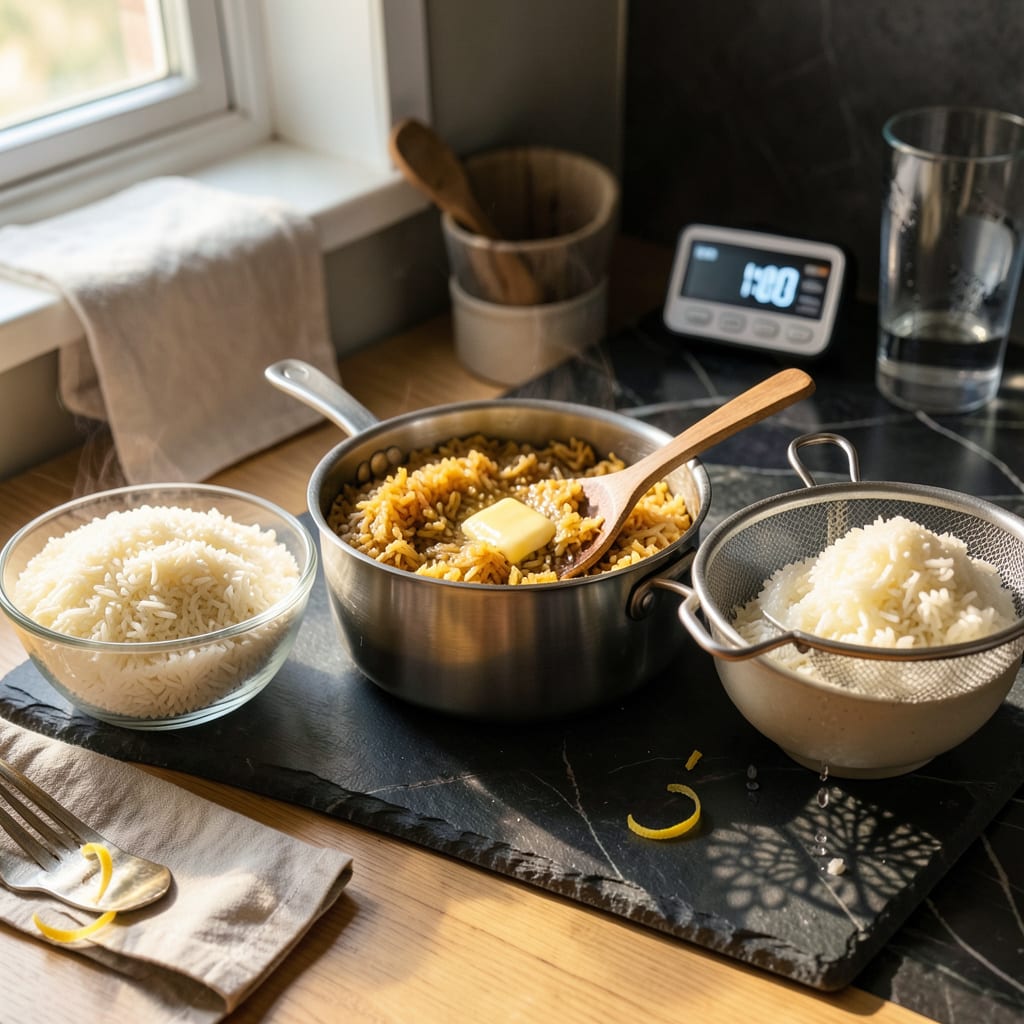
I’ll be real with you—defrosting rice the wrong way can turn perfectly good leftovers into a mushy, sad mess. After years of experimenting (and a few disappointing lunch breaks), I’ve nailed down the quickest, safest methods to bring frozen rice back to life without sacrificing texture or flavor.
Here’s the thing—rice is tricky because it absorbs moisture as it thaws, which is why most people end up with a gummy disaster. The solution? Controlled heat and proper moisture management. Whether you’re using the microwave for speed or the stovetop for better texture, timing and technique make all the difference.
What you’ll get is rice that’s fluffy, separate, and ready to use—just like freshly cooked. No more wasted leftovers or questionable reheats. I’ve tested these methods with white, brown, and jasmine rice, so you can trust they’ll work for whatever you’ve got stashed in your freezer.
Fair warning: never let rice sit at room temperature to thaw. That’s how you invite bacteria to the party. Let’s do this the right way and actually enjoy those leftovers instead of tossing them.
📚 In This Guide
- What You’ll Need
- Instructions
- Tips and Common Mistakes
What Youll Need
- ● Frozen rice – 1 to 4 cups (or your desired portion). Ensure it’s stored in an airtight container or freezer-safe bag to avoid freezer burn. ❄️
- ● Microwave-safe bowl (for microwave method) – Choose a wide, shallow bowl (8–10 inches in diameter) to spread rice evenly for faster defrosting.
- ● Non-stick skillet or pot (for stovetop method) – A medium-sized pan (9–10 inches) with a lid works best.
- ○ Water or broth – 1–2 tablespoons (adjust based on rice dryness). Optional: Use veggie/chicken broth for extra flavor!
- ● Microwave-safe cover – A damp paper towel, microwave-safe lid, or plastic wrap (poke holes for steam).
- ● Fork or rice paddle – To fluff and break up clumps gently post-defrosting.
- ○ Cooking oil or butter (optional) – ½ teaspoon to prevent sticking and add richness.
- ● Timer – Your phone or a kitchen timer to avoid over-defrosting. ⏱️
- ● Oven mitts – For handling hot bowls/pans safely.
Instructions
Here’s exactly how to thaw your rice safely while keeping the perfect texture—no mushy grains here.
Choose Your Defrosting Method
First, check how much time you have. For the fastest option, use the microwave method. If you have at least an hour, the stovetop or cold water method works better for preserving texture. I always recommend planning ahead when possible—rice defrosts best with gentle heat.
Remove the rice from the freezer and keep it in its original packaging or transfer it to a microwave-safe container if using the microwave. For stovetop or cold water methods, place the frozen rice in a sealed plastic bag to prevent water absorption. This small step makes a big difference in the final result.
Microwave Method for Fastest Results
Place the frozen rice in a microwave-safe dish and sprinkle with 1-2 tablespoons of water per cup of rice. Cover loosely with a damp paper towel or microwave-safe lid. This creates steam that helps separate the grains as they thaw.
Microwave on the defrost setting or at 30% power for 2-minute intervals, fluffing with a fork between each interval. You’ll know it’s ready when the rice is completely thawed and reaches room temperature—usually 6-8 minutes total for a standard portion. Don’t rush this with high heat; you’ll end up with dry, unevenly thawed rice.
Stovetop Method for Best Texture
Heat a non-stick skillet over low heat and add the frozen rice directly from the bag. Break up any large clumps with a wooden spoon or spatula. Add 1 tablespoon of water or broth per cup of rice to create steam.
Cover the skillet and let the rice warm through for 5-7 minutes, stirring occasionally. You’re looking for the rice to reach an even temperature throughout—it should feel warm to the touch and separate easily when stirred. This method takes slightly longer but gives you the closest texture to freshly cooked rice.
Cold Water Method for No Heat
Seal the frozen rice in a waterproof plastic bag, removing as much air as possible. Submerge the bag in a bowl of cold water, changing the water every 10 minutes to maintain the cold temperature. This prevents any part of the rice from warming too quickly.
The rice will be fully thawed in about 30-45 minutes depending on the portion size. You’ll know it’s ready when there are no ice crystals remaining and the rice breaks apart easily when pressed. Drain well before using—this method works best when you’re adding the rice to soups or fried rice dishes.
Fluff and Use Immediately
Once thawed by any method, transfer the rice to a clean bowl and fluff it thoroughly with a fork. This separates the grains and releases any excess moisture. If the rice seems slightly dry, sprinkle with 1 teaspoon of water and cover for 2 minutes to allow the moisture to distribute.
Use the thawed rice immediately in your recipe. Reheating works best when done quickly—microwave for 30-60 seconds or stir-fry in a hot pan. The key is to avoid letting it sit after thawing, as rice can dry out or develop an off texture if left at room temperature too long.
Tips and Common Mistakes
Let me share what I’ve learned about getting perfectly thawed rice every time—these small details make all the difference.
Microwave Mastery: When using the microwave method in Step 2, those 2-minute intervals at 30% power are crucial. I always set a timer and fluff the rice between each interval—this prevents hot spots and ensures even thawing. The 6-8 minutes total time might seem long, but rushing with higher power leads to rubbery, uneven rice that loses its texture.
Stovetop Secret: For the stovetop method in Step 3, maintaining low heat is key. I use a heat diffuser if my burner runs hot to prevent scorching. The 5-7 minutes cooking time works perfectly when you keep the lid on—this traps steam that gently revives the rice without drying it out. Stir just enough to break up clumps, but don’t overdo it or you’ll release too much moisture.
Cold Water Wisdom: In Step 4, changing the water every 10 minutes isn’t just busywork—it maintains the cold temperature that prevents partial cooking. I set a phone alarm so I don’t forget. The 30-45 minutes thaw time might test your patience, but this method gives you the closest texture to fresh rice, especially for delicate dishes like sushi or rice salads.
Final Touch: Never skip the fluffing in Step 5. That 2 minutes with a fork isn’t just about separating grains—it redistributes any moisture that collected during thawing. If your rice feels dry, that 1 teaspoon of water trick works wonders, but don’t add more or you’ll end up with gummy rice instead.
Pro Tips for Defrost Rice
- Let me share what I’ve learned about getting perfectly thawed rice every time—these small details make all the differ…
- Microwave Mastery: When using the microwave method in Step 2, those 2-minute intervals at 30% power are crucial. I al…
- Stovetop Secret: For the stovetop method in Step 3, maintaining low heat is key. I use a heat diffuser if my burner r…
Frequently Asked Questions
Can I defrost rice in the microwave without drying it out?
Yes! Sprinkle 1-2 tablespoons of water over the rice, cover with a damp paper towel, and use the defrost setting (or 50% power) in 1-minute bursts. Stir between intervals to distribute moisture evenly. This prevents dry, crumbly rice while speeding up the process.
How long does it take to defrost rice in the fridge vs. counter?
Fridge defrosting takes 8–12 hours (overnight is ideal) but keeps rice safest. For room-temperature thawing, spread rice on a plate and let it sit 1–2 hours (stir occasionally). Never leave rice out over 2 hours—bacteria grow fast!
Is it safe to eat rice that wasn’t defrosted properly?
If rice smells sour, feels slimy, or has mold, toss it. Improperly thawed rice (left at room temp too long) can harbor Bacillus cereus, causing food poisoning. When in doubt, reheat to 165°F (74°C) and check for off odors.
Can I defrost rice directly in a stir-fry or soup?
Add frozen rice straight to hot broth, sauces, or stir-fries—just break up clumps first. The extra moisture helps rehydrate it. For stir-fries, toss rice in 1–2 minutes before other ingredients to avoid mushiness.
Why does my defrosted rice turn mushy? What’s the fix?
Mushy rice usually means excess moisture or over-handling. To fix: spread rice on a tray and let it air-dry 10 minutes post-thaw, or reheat in a dry pan on low heat to evaporate extra water. Avoid stirring too much!
Defrosting rice doesn’t have to be a hassle—whether you choose the microwave for speed or the stovetop for even texture, you now have foolproof methods to revive your grains perfectly. 🍚 Remember, safety first: always reheat thoroughly to avoid foodborne risks and enjoy your rice as good as fresh!
Ready to put this into practice? Grab that frozen batch from your freezer and try it out tonight—your next stir-fry or fried rice dish is just minutes away! ⏳

Trained in classic French technique but raised on slow-cooked ribs and spicy rubs, she blends culinary skill with smoke and soul.
- Recipe for Boneless Pork Chops in Cast Iron Skillet: Sear and Baste to Juicy Perfection - October 3, 2026
- Recipe for Boneless Cross Rib Roast: Slow-Roasted Beef with Herb Crust - October 3, 2026
- Hamburgers in Sauce Recipe Crock Pot: Slow-Cooked Savory Delight - October 3, 2026