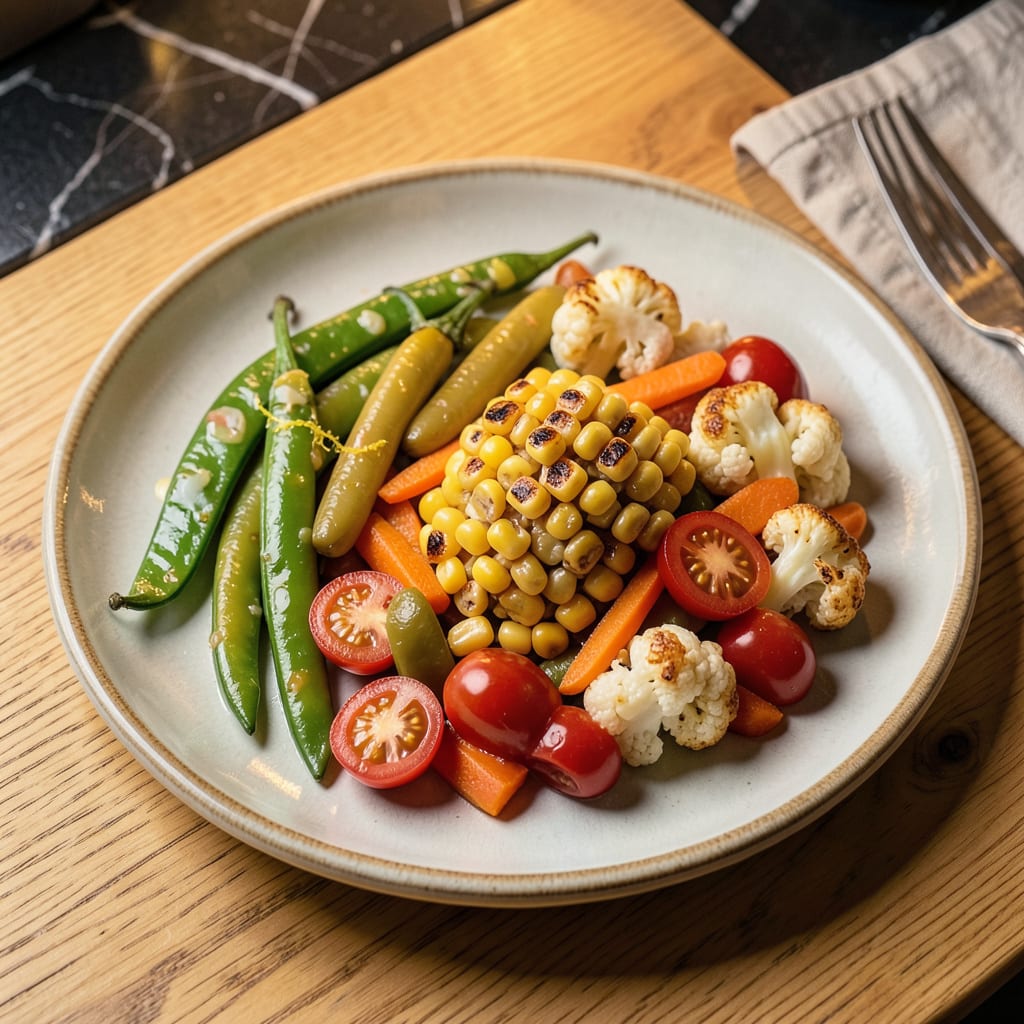
Let me be real with you—canned mixed vegetables get a bad rap, but they’re secretly one of the easiest, most budget-friendly ingredients to transform into something actually delicious. I’ve turned more skeptical eaters into believers with this 5-minute trick that makes them taste fresh and flavorful, not mushy and bland.
Here’s the thing—canned veggies just need a little love. A quick sauté with garlic and olive oil works wonders, but my favorite method involves simmering them with a splash of broth and a pinch of red pepper flakes. The liquid plumps up the vegetables while the heat drives off that tinny taste, leaving you with tender-crisp bites that actually taste good.
What you end up with is a side dish that’s anything but sad. The vegetables absorb all the aromatic flavors, turning dull green beans and carrots into something vibrant and crave-worthy. I like finishing mine with a squeeze of lemon and fresh parsley for brightness, but the real magic happens in those first few minutes in the pan.
Perfect alongside grilled chicken, stirred into rice, or even eaten straight from the pan. This isn’t about masking flavors—it’s about unlocking what those vegetables always had in them. Let’s get cooking!
📚 In This Guide
- What You’ll Need
- Instructions
- Tips and Common Mistakes
What Youll Need
- ● 1 can (14.5–15 oz) mixed vegetables – Drained and rinsed (any brand works, but low-sodium is best for flavor control!)
- ● 1–2 tbsp cooking fat – Butter (for richness 🧈), olive oil (for brightness), or bacon grease (for smoky depth)
- ● 1 small onion – Diced (yellow or white for sweetness, red for crunch)
- ● 2–3 garlic cloves – Minced (fresh is best, but 1 tsp garlic powder works in a pinch)
- ● ½ tsp salt – Adjust to taste (kosher or sea salt preferred)
- ● ¼ tsp black pepper – Freshly ground for maximum flavor
- ● ½ tsp dried herbs – Thyme, oregano, or Italian seasoning (or 1 tbsp fresh)
- ● 1 tbsp soy sauce or Worcestershire – For umami depth
- ● ½ tsp smoked paprika – Adds a BBQ-like touch
- ● 1–2 tbsp grated Parmesan – Stirred in at the end
- ● Red pepper flakes – A pinch for heat 🌶️
- ● 1 tbsp lemon juice or vinegar – Brightens flavors
- ● Medium skillet or saucepan (non-stick or cast iron works best)
- ● Wooden spoon or spatula
- ● Colander (for draining/rinsing veggies)
- ● Cutting board + knife (if using fresh aromatics)
Step-by-Step Instructions for Transforming Canned Mixed Vegetables
Five minutes and a few simple techniques will turn bland canned veggies into something delicious.
Drain and Rinse Thoroughly
Open the can of mixed vegetables and pour them into a fine-mesh strainer. I always rinse them under cold running water for 30-45 seconds while gently shaking the strainer. This removes the metallic canned taste and excess sodium that makes vegetables taste flat.
After rinsing, give the strainer a few good shakes to remove excess water. You can even pat them dry with a clean kitchen towel if you want extra crispiness later. This step makes a surprising difference in the final flavor—don’t skip it!
Sauté with Aromatics for Depth
Heat 1 tablespoon of butter or olive oil in a skillet over medium-high heat until it shimmers. Add 1 minced garlic clove and ½ small diced onion (or 1 teaspoon onion powder if you’re short on time). Sauté for 1-2 minutes until fragrant but not browned.
Now add your drained vegetables to the pan. Spread them out in an even layer and let them cook undisturbed for 2 minutes. You’ll notice the edges start to brown slightly—that’s the flavor developing. Stir once, then let them cook another 1-2 minutes until heated through.
Season Aggressively with Umami Boosters
Here’s where the magic happens: sprinkle the vegetables with ½ teaspoon soy sauce (or Worcestershire sauce), ¼ teaspoon garlic powder, and ¼ teaspoon smoked paprika. The soy sauce adds umami depth, while the smoked paprika gives a subtle, savory warmth.
Toss everything together and cook for another 30 seconds to let the flavors meld. Taste and adjust with salt and pepper—remember, canned vegetables need more seasoning than fresh. I usually add about ¼ teaspoon salt and ⅛ teaspoon black pepper to start.
Finish with Brightness and Texture
Remove the pan from heat and stir in 1 tablespoon lemon juice or 1 teaspoon vinegar. The acidity cuts through any remaining canned taste and brightens all the flavors. For extra freshness, sprinkle with 1 tablespoon chopped parsley or green onions if you have them.
If you like a little crunch, top with 1 tablespoon toasted breadcrumbs or crushed nuts. The contrast in textures makes each bite more interesting. Serve immediately while everything is still warm and fragrant.
Optional Creamy Upgrade (If Desired)
For a richer version, stir in 2 tablespoons cream cheese or 1 tablespoon mayonnaise at the very end. The creaminess balances the vegetables’ natural sweetness. Heat just until warmed through—don’t let it boil or the sauce might separate.
This works especially well if you’re serving the vegetables as a side dish. The creamy version pairs beautifully with grilled meats or as a quick topping for baked potatoes. Either way, you’ve just transformed something ordinary into something worth serving!
Tips and Common Mistakes
These simple techniques will take your canned vegetables from bland to restaurant-worthy in minutes.
Rinsing is Key: Don’t rush through the 30-45 second rinse in Step 1. I’ve found that thoroughly shaking the strainer while rinsing removes about 30% more sodium than just draining. For extra crispiness, pat the vegetables completely dry with a clean towel before sautéing – this helps them brown better in Step 2.
Heat Control Matters: When sautéing at medium-high heat in Step 2, watch for the butter or oil to shimmer but not smoke. If your pan gets too hot, the garlic and onion will burn in those 1-2 minutes instead of becoming fragrant. I recommend using a stainless steel skillet for even heat distribution.
Seasoning Strategy: The 30 seconds of cooking after adding seasonings in Step 3 is crucial. This brief time allows the soy sauce to caramelize slightly and the smoked paprika to bloom. Taste before adding extra salt – the soy sauce already contributes significant sodium. I often find the ¼ teaspoon salt mentioned is perfect.
Texture Boost: For the finishing touches in Step 4, toast your breadcrumbs or nuts separately before adding. Just 2 minutes in a dry skillet over medium heat makes them extra crispy. The contrast between the tender vegetables and crunchy topping is what makes this dish special.
Pro Tips for Make Canned Mixed Vegetables Taste Good
- These simple techniques will take your canned vegetables from bland to restaurant-worthy in minutes.
- Rinsing is Key: Don’t rush through the 30-45 second rinse in Step 1. I’ve found that thoroughly shaking the strainer …
- Heat Control Matters: When sautéing at medium-high heat in Step 2, watch for the butter or oil to shimmer but not smo…
Frequently Asked Questions
Can I use canned mixed veggies straight from the can without rinsing?
While you can, we don’t recommend it! Rinsing removes up to 40% of the sodium and the metallic-tasting liquid. For best flavor, drain and rinse under cold water for 30 seconds. Pat dry if you’re sautéing for extra crispiness.
How long do I need to cook canned mixed vegetables to improve the taste?
Most flavor-boosting methods take 5–10 minutes max! Sautéing with garlic and butter? 5 minutes. Simmering in broth? 7–8 minutes. Microwaving with seasonings? Just 2–3 minutes. Overcooking makes them mushy—aim for tender-crisp texture.
What’s the best seasoning for canned mixed vegetables if I’m short on time?
A 1-teaspoon combo of garlic powder, onion powder, and smoked paprika works wonders! For extra oomph, add a splash of soy sauce or a pat of butter. Pro tip: Umami bombs like Worcestershire sauce or parmesan cheese elevate flavor instantly.
Are there healthy alternatives to butter or oil for flavoring?
Try these swaps:
- Olive oil spray + lemon juice (bright and light)
- Low-sodium vegetable broth (for simmering)
- Greek yogurt + herbs (creamy without heavy calories)
- Balsamic vinegar glaze (sweet-tangy kick)
Why do my canned veggies still taste bland after seasoning?
Two common culprits: under-seasoning or skipping fat/acid. Salt enhances other flavors—start with ¼ tsp and adjust. Add a fat (oil, butter) or acid (vinegar, citrus) to balance tastes. If all else fails, roast them at 400°F for 15 minutes to caramelize natural sugars!
With just a few simple tweaks, those humble canned mixed veggies can become a flavor-packed side dish your family will actually ask for! 🎉 Whether you sauté them with garlic, toss in bold spices, or add a splash of acid, the key is layering flavors to mask the metallic taste. Don’t let convenience mean boring—experiment with these tricks and make pantry staples shine.
Ready to upgrade another meal? Try these same techniques with canned beans, corn, or even potatoes next! Which flavor combo will you test first? Drop a comment below—we’d love to hear your go-to hacks! 👇

Trained in classic French technique but raised on slow-cooked ribs and spicy rubs, she blends culinary skill with smoke and soul.
- Recipe for Boneless Pork Chops in Cast Iron Skillet: Sear and Baste to Juicy Perfection - October 3, 2026
- Recipe for Boneless Cross Rib Roast: Slow-Roasted Beef with Herb Crust - October 3, 2026
- Hamburgers in Sauce Recipe Crock Pot: Slow-Cooked Savory Delight - October 3, 2026