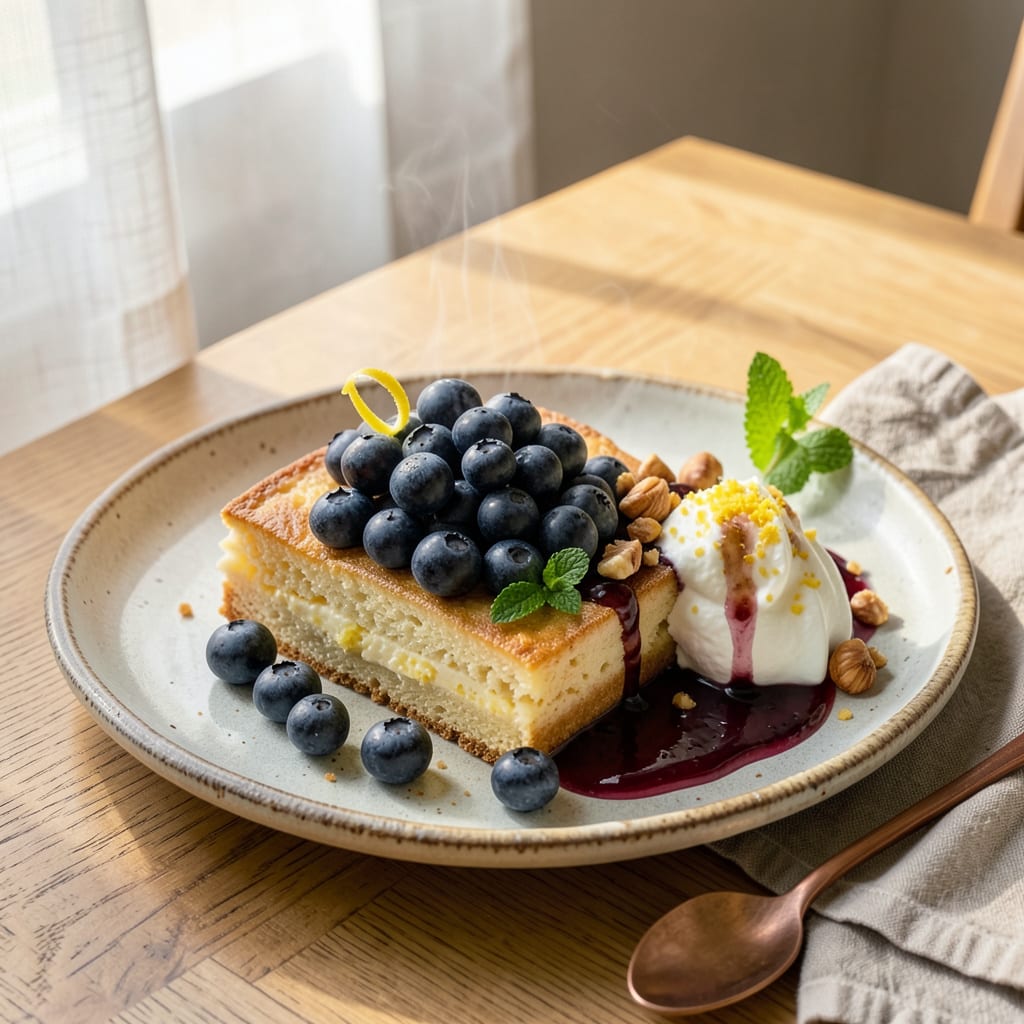
Blueberries are nature’s candy, but sometimes their flavor needs a little boost to really shine. I’ve spent years experimenting with ways to make that blueberry taste pop—whether in cocktails, desserts, or even savory dishes. The secret isn’t just adding more berries; it’s about unlocking their hidden potential through simple techniques that any home cook can master.
My go-to method is a quick blueberry reduction syrup that concentrates the fruit’s natural sweetness and tartness. Just simmer fresh or frozen berries with a touch of sugar and lemon juice until it thickens into a vibrant, intense syrup. This isn’t just for pancakes—try drizzling it over grilled meats or stirring into yogurt for a flavor explosion. The heat breaks down the berries’ cell walls, releasing more of those gorgeous anthocyanins that give blueberries their signature color and health benefits.
Here’s the thing—blueberries love company. A pinch of salt makes them taste sweeter, while vanilla or citrus zest brings out their floral notes. I always keep a small batch of lemon-zest macerated blueberries in my fridge; they’re ready to elevate everything from morning oatmeal to evening cocktails. The acidity from the lemon doesn’t just brighten the flavor—it actually helps preserve that fresh-picked taste longer.
These techniques work with fresh or frozen berries, so you can enjoy bold blueberry flavor year-round. The syrups and infusions keep for weeks in the fridge, meaning you’re always just minutes away from transforming ordinary dishes into something extraordinary. No fancy equipment needed—just a saucepan and a little patience.
📚 In This Guide
- What You’ll Need
- Instructions
- Tips and Common Mistakes
What Youll Need
- ● Fresh blueberries – 2 cups (or frozen if fresh aren’t in season 🌿). Opt for plump, deep-blue berries for the best flavor.
- ● Lemon juice – 1 tbsp (freshly squeezed 🍋 for brightness). Bottled works in a pinch!
- ○ Granulated sugar – 2–4 tbsp (adjust to taste; optional for tart lovers).
- ● Vanilla extract – ½ tsp (pure extract 🌸, not imitation, for depth).
- ● Salt – ⅛ tsp (fine sea salt or kosher—trust us, it enhances sweetness!).
- ○ Spices (optional) – ¼ tsp cinnamon or cardamom for warmth, or a pinch of black pepper (🌶️ yes, really!) for complexity.
- ● Medium saucepan (non-reactive, like stainless steel or enamel).
- ● Wooden spoon or silicone spatula (to gently mash berries without crushing seeds).
- ○ Fine-mesh strainer (optional, for seedless sauces or syrups).
- ○ Blender or food processor (optional, for smooth purées).
- ● Air-tight container (glass jars work great for storage!).
Instructions for Enhancing Blueberry Flavor
These simple but powerful techniques will transform your blueberries from mild to magnificent.
Select the Right Blueberries
Start with the best possible fruit—this makes all the difference. Choose wild blueberries when available, as they have twice the flavor concentration of cultivated varieties. Their smaller size means more skin surface area, where most of the flavor compounds reside.
If using cultivated blueberries, look for ones that are deep indigo in color with a slight powdery bloom. Avoid any with green shoulders or that feel soft to the touch. I always give them a quick sniff—they should smell distinctly sweet and slightly floral at the stem end.
For frozen blueberries, don’t thaw them before cooking. The freezing process actually ruptures cell walls, releasing more juice and flavor. Just use them straight from the freezer and adjust cooking times slightly, as they’ll release liquid faster than fresh.
Amplify with Acid
A touch of acidity brightens and intensifies blueberry flavor dramatically. I recommend adding 1-2 teaspoons of lemon zest (not just juice) to your blueberry preparation. The zest contains aromatic oils that complement the berries’ natural floral notes.
For cooked applications like pies or compotes, add the zest at the beginning of cooking to infuse the mixture. In raw preparations like smoothies or salads, let the zested blueberries sit for 10-15 minutes before using—the acid will start breaking down cell walls, releasing more flavor.
Other excellent acid options include a splash of balsamic vinegar (particularly aged varieties) or a pinch of citric acid if you want precise control. The goal is to achieve balance—not sourness—so add incrementally and taste as you go.
Employ the Maceration Technique
For raw applications, maceration is your secret weapon. Toss blueberries with 1-2 tablespoons of sugar (depending on sweetness) and let them sit for 20-30 minutes. The sugar draws out juices while preserving the berries’ structure.
As the blueberries macerate, you’ll notice the juice turns a deeper purple—this is the anthocyanins (flavor pigments) being released. Gently stir occasionally to ensure even extraction. For maximum effect, add a pinch of salt, which acts as a flavor amplifier by suppressing bitterness.
This technique works particularly well for pancakes, yogurt toppings, or shortcakes. The macerated berries will have intensified flavor and a luxurious syrupy consistency. For cooked dishes, you can skip the waiting time and add sugar at the start of cooking to achieve similar results.
Concentrate Through Reduction
When cooking blueberries, don’t stop at the first bubble—let them reduce. Simmer blueberries with a splash of water or juice until the liquid reduces by half. You’re looking for a thick, jam-like consistency where the berries have broken down but still retain some texture.
The reduction process does two critical things: it evaporates water that dilutes flavor, and it creates new flavor compounds through caramelization. Stir frequently and watch for the mixture to darken slightly and develop a glossy sheen. This typically takes 15-20 minutes over medium-low heat.
For an extra layer of complexity, add a cinnamon stick or vanilla bean during reduction. These spices enhance blueberry’s natural sweetness without overpowering it. Remove the spices before using, as their flavor will have already infused into the concentrated blueberry mixture.
Finish with Flavor Boosters
Just before serving, incorporate one of these professional flavor enhancers: a pinch of flaky sea salt to make the sweetness pop, a few drops of vanilla extract to round out the flavor, or a sprinkle of freshly ground cardamom for an exotic touch.
For baked goods, brush the top with a blueberry reduction glaze (simmer ½ cup blueberries with 1 tablespoon sugar until syrupy) after baking. This adds both visual appeal and an extra layer of concentrated blueberry flavor. In beverages, a blueberry-infused simple syrup (equal parts sugar, water, and blueberries, simmered and strained) will provide consistent flavor without seeds or pulp.
Remember that blueberry flavor is volatile—it’s always better to enhance just before serving rather than too far in advance. The fresher the enhancement, the more vibrant the result will be.
Tips and Common Mistakes
These techniques will help you maximize blueberry flavor with every preparation.
Selection Tip: When choosing cultivated blueberries in Step 1, remember that size doesn’t equal flavor—smaller berries often pack more concentrated taste. The deep indigo color indicates higher anthocyanin content, which translates to richer flavor. I always select berries with that telltale powdery bloom; it’s a natural protective coating that preserves freshness and flavor compounds.
Timing Secret: During Step 3’s maceration process, don’t rush the 20-30 minute waiting period. This isn’t just about extracting juice—it’s about transforming the berries’ cellular structure. The sugar draws out anthocyanins (those powerful flavor pigments) while maintaining the berries’ integrity. For best results, stir gently every 5 minutes to ensure even extraction without crushing the fruit.
Reduction Technique: In Step 4, when reducing blueberries to that thick, jam-like consistency, watch for visual cues rather than just timing. The mixture should darken noticeably as water evaporates and sugars caramelize. At the 15-20 minute mark, you’re looking for a glossy sheen and the ability to draw a clear path through the mixture with your spoon that holds for a few seconds before filling in.
Flavor Booster Strategy: For the finishing touches in Step 5, consider the temperature of your dish when adding enhancers. Flaky sea salt dissolves differently on warm baked goods versus cold desserts—sprinkle it on warm items just before serving so it adheres better. Vanilla extract and cardamom should be added to warm (not hot) mixtures to preserve their volatile aromatic compounds.
Pro Tips for Enhance Blueberry Flavor
- These techniques will help you maximize blueberry flavor with every preparation.
- Selection Tip: When choosing cultivated blueberries in Step 1, remember that size doesn’t equal flavor—smaller berrie…
- Timing Secret: During Step 3’s maceration process, don’t rush the 20-30 minute waiting period. This isn’t just about …
Frequently Asked Questions
How long should I let blueberries macerate to boost their flavor?
For best results, macerate blueberries for 30 minutes to 2 hours at room temperature. Use 1 tbsp of sugar or honey per cup of berries, plus a splash of lemon juice. Overnight maceration (in the fridge) deepens flavor further—perfect for sauces or desserts!
Can I enhance frozen blueberries’ flavor, or should I use fresh?
Frozen blueberries work great! Thaw them first, then drain excess liquid to avoid dilution. Toss with lemon zest, vanilla, or a pinch of salt to brighten flavor. Fresh berries have a slight edge in texture, but frozen are just as flavorful when prepped right.
What’s the fastest way to intensify blueberry flavor in baking?
Reduce blueberries into a quick compote: Simmer 2 cups berries with 2 tbsp sugar and 1 tsp lemon juice for 10–15 minutes. Strain if you want a smooth sauce, or leave chunky. This concentrates flavor and adds moisture to muffins, cakes, or pancakes.
Why do my blueberries taste bland after cooking? How can I fix it?
Overcooking dulls flavor. Fix it by adding a flavor booster: try ½ tsp cinnamon, 1 tsp balsamic vinegar, or a pinch of cardamom. Acid (like lemon or lime) also revives brightness. For sauces, finish with a pat of butter for richness.
Are there natural alternatives to sugar for enhancing blueberry flavor?
Use monk fruit sweetener, maple syrup, or mashed banana for sweetness. For depth, try a dash of vanilla extract, almond extract (sparingly!), or even a sprinkle of flaky salt to balance and amplify natural berry notes.
Enhancing blueberry flavor is all about balance, technique, and a little creativity—whether you’re baking, cooking, or making sauces. From ripening tricks to acidic boosts and heat control, small tweaks can turn good blueberries into bursting, vibrant stars of your dish. 🍇✨
Ready to put these tips to the test? Pick one method (like a quick maceration or a citrus zest infusion) and try it in your next recipe—your taste buds will thank you! For even more flavor hacks, explore our guide on pairing blueberries with complementary ingredients.

Trained in classic French technique but raised on slow-cooked ribs and spicy rubs, she blends culinary skill with smoke and soul.
- Recipe for Boneless Pork Chops in Cast Iron Skillet: Sear and Baste to Juicy Perfection - October 3, 2026
- Recipe for Boneless Cross Rib Roast: Slow-Roasted Beef with Herb Crust - October 3, 2026
- Hamburgers in Sauce Recipe Crock Pot: Slow-Cooked Savory Delight - October 3, 2026