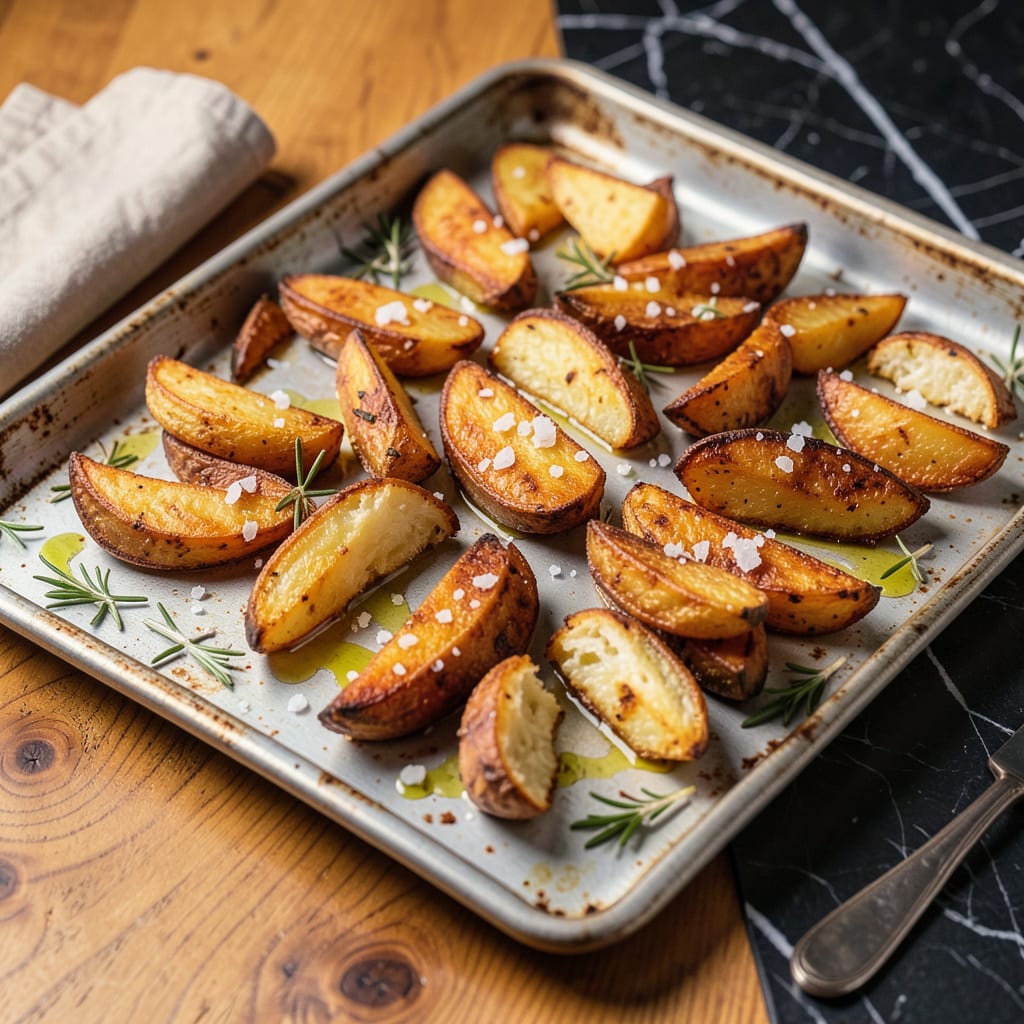
Nothing ruins perfectly roasted potatoes faster than watching them tear apart when you try to flip them. I’ve been there—scraping potato remnants off the pan while dreaming of that crispy, golden crust. The good news? Sticking isn’t inevitable. After years of testing (and plenty of failed batches), I’ve cracked the code for crispy, stick-free roast potatoes every single time.
Most recipes skip the crucial prep steps that prevent sticking. It’s not just about oil—it’s about moisture control, pan prep, and heat management. I start by parboiling the potatoes until just tender, then roughing up their edges to create more surface area for crisping. The real game-changer? Drying them thoroughly before they hit the pan. Even a little excess moisture turns into steam that glues potatoes to the metal.
Your pan matters too. I swear by heavy-duty stainless steel or cast iron, properly preheated with the right amount of fat. Too little oil and potatoes stick; too much and they fry instead of roast. There’s a sweet spot that delivers that coveted crispy exterior without the frustration of torn spuds. Temperature control finishes the job—start hot, then adjust to let them cook through evenly.
By the time these come out of the oven, you’ll have perfectly browned potatoes that release effortlessly. No more sacrificial first batch to “season” the pan. Just golden, crispy roast potatoes that actually make it to the plate in one piece. Here’s exactly how to make it happen.
📚 In This Guide
- What You’ll Need
- Instructions
- Tips and Common Mistakes
What Youll Need
- ● Potatoes: 2–3 lbs (900g–1.4kg) of russet, Yukon Gold, or Maris Piper (starchy varieties work best! 🥔)
- ● Fat for roasting: 3–4 tbsp of duck fat, goose fat, lard, or high-smoke-point oil (like avocado or refined coconut oil)
- ● Baking sheet: Heavy-duty rimmed half-sheet pan (18×13 inches) or a cast-iron skillet for extra crispiness
- ○ Parchment paper or silicone mat: 1 sheet (optional but highly recommended for easy cleanup!)
- ● Mixing bowl: Large (4–5 quart) for tossing potatoes
- ● Knife & cutting board: A sharp chef’s knife (8–10 inches) for even chunks
- ○ Potato peeler: Optional (if you prefer peeled potatoes)
- ● Salt: 1–2 tsp kosher or sea salt (plus extra for seasoning)
- ○ Spices (optional): ½ tsp black pepper, garlic powder, paprika, or rosemary for flavor
- ● Tongs or spatula: Heat-resistant metal or silicone for flipping
- ○ Oven thermometer: Optional (to verify your oven’s accuracy—game-changer! 🌡️)
- ○ Cooling rack: Optional (for extra crispiness post-roast)
Instructions
Here’s my foolproof method for perfectly crispy roast potatoes that never stick to the pan.
Choose the Right Pan and Prep It Properly
Start with a heavy-duty metal baking sheet or roasting pan—avoid glass or ceramic as they don’t conduct heat evenly. I always use a light-colored pan because dark pans can cause the potatoes to over-brown before they’re fully cooked through.
Coat the pan generously with a thin layer of neutral oil (like vegetable or canola) using a pastry brush. Make sure to get into all the corners and edges where potatoes might stick. The oil creates a barrier between the potatoes and the metal, which is your first defense against sticking.
Parboil and Rough Up the Potatoes
Cut your potatoes into even-sized pieces and parboil them in salted water for exactly 8-10 minutes until they’re just beginning to soften. You want them to hold their shape but give slightly when pierced with a fork. Drain them immediately in a colander.
Here’s the secret step: return the drained potatoes to the pot and shake vigorously for 30 seconds. This roughs up the edges, creating more surface area for crispiness. You’ll notice the edges become slightly fuzzy—that’s exactly what you want for maximum crunch and minimal sticking.
Toss Thoroughly in Oil and Seasoning
Transfer the roughened potatoes to a large bowl and drizzle with enough oil to coat them completely—about 2 tablespoons for 4 servings. Add your seasonings (salt, pepper, and any herbs) and toss until every piece is evenly coated. I like to use my hands for this to ensure complete coverage.
The oil coating serves two purposes: it helps conduct heat for even cooking, and it creates another protective layer against sticking. Make sure there are no dry spots on the potatoes—they’ll be the first to stick if they’re not properly oiled.
Arrange Properly and Roast Undisturbed
Spread the potatoes on your prepped pan in a single layer, leaving at least ½ inch of space between each piece. Crowding causes steaming instead of roasting, which leads to sticking. Place them cut-side down for maximum surface contact with the pan.
Roast at 425°F for 20 minutes before attempting to flip them. This initial undisturbed cooking time allows a crust to form, which naturally releases from the pan. Don’t be tempted to check or move them early—patience is key for that perfect crispy exterior.
Flip Carefully and Finish Roasting
After the initial 20 minutes, use a thin metal spatula to gently lift and flip each potato. If any resist, don’t force them—leave them for another 5 minutes and try again. The crust should release easily when it’s properly formed.
Continue roasting for another 20-25 minutes, flipping once more halfway through, until the potatoes are deep golden brown and crispy all over. The finished potatoes should move freely on the pan and have a satisfying crunch when tested with a fork.
Tips and Common Mistakes
Mastering crispy, non-stick roast potatoes comes down to a few key details that make all the difference.
Pan Preparation Secret: In Step 1, when you’re coating the pan with oil, don’t just brush it on—heat the oiled pan in the oven for 5 minutes at 425°F before adding potatoes. This creates a non-stick surface that’s even more effective than cold oil. I learned this trick after years of struggling with potatoes that wanted to stay glued to the pan.
Parboiling Precision: The 8-10 minute parboil in Step 2 is crucial for two reasons: it starts the cooking process evenly, and it softens the potatoes just enough so they don’t turn to mush when you shake them. Test one piece at 8 minutes—it should give slightly when pierced but not fall apart. This perfect texture prevents them from sticking while ensuring crispy edges.
Oil Distribution Technique: When tossing the potatoes with 2 tablespoons of oil in Step 3, here’s what nobody tells you—warm the oil slightly first by microwaving it for 10 seconds. The warm oil coats the potatoes more evenly and helps create that all-important crispy crust that naturally releases from the pan.
Flipping Strategy: During the 20-minute initial roast in Step 4, resist the urge to peek! That undisturbed time allows the crust to form properly. When you do flip them after 20 minutes, use a thin metal spatula and slide it under each potato rather than trying to lift from above. This prevents breaking the crust that’s your best defense against sticking.
Pro Tips for Stop Roast Potatoes Sticking
- Mastering crispy, non-stick roast potatoes comes down to a few key details that make all the difference.
- Pan Preparation Secret: In Step 1, when you’re coating the pan with oil, don’t just brush it on—heat the oiled pan in…
- Parboiling Precision: The 8-10 minute parboil in Step 2 is crucial for two reasons: it starts the cooking process eve…
Frequently Asked Questions
Why do my roast potatoes always stick to the pan, even with oil?
Sticking often happens due to insufficient heat or uneven oil distribution. Preheat your pan thoroughly (400°F+), use enough high-smoke-point oil (like avocado or refined coconut oil), and toss potatoes mid-roast to redistribute oil. A heavy-duty pan (cast iron or stainless steel) also helps create a better non-stick surface over time.
Can I use parchment paper or foil to prevent sticking?
Avoid foil—it steams potatoes, making them soggy. Parchment paper works if you’re roasting at lower temps (under 425°F), but it can block crispiness. For best results, skip liners and opt for a well-oiled, preheated pan. If you must use parchment, lightly oil it and cut slits for airflow.
How often should I flip roast potatoes to prevent sticking?
Flip every 15–20 minutes using a thin, flexible spatula (not a fork—it pierces them!). This prevents one side from over-browning and re-distributes oil. Pro tip: If they resist, let them cook 2–3 more minutes to release naturally—don’t force it or they’ll tear.
What’s the best oil for non-stick roast potatoes?
High-smoke-point oils like avocado, peanut, or refined coconut oil (400°F+) work best. Avoid olive oil (smokes at 375°F) or butter (burns). For extra crispiness, mix oil with a light coating of cornstarch or potato starch before roasting. Bonus: Duck or goose fat adds flavor and a natural non-stick boost!
My potatoes still stick—what am I doing wrong?
Common culprits:
- Cold pan: Always preheat 10+ minutes.
- Overcrowding: Leave space between potatoes for airflow.
- Wet potatoes: Pat completely dry before oiling.
- Low heat: Roast at 425°F+ for crispiness.
With the right prep and a few simple tricks—like heating your pan, using enough fat, and avoiding overcrowding—you can say goodbye to stuck roast potatoes for good! 🎉 Crispy, golden spuds are now within reach every time you cook.
Ready to put these tips to the test? Grab your potatoes, fire up the oven, and enjoy perfectly roasted potatoes that release effortlessly. For extra inspiration, try experimenting with different herbs or spices next—your taste buds will thank you! 😋

Trained in classic French technique but raised on slow-cooked ribs and spicy rubs, she blends culinary skill with smoke and soul.
- Recipe for Boneless Pork Chops in Cast Iron Skillet: Sear and Baste to Juicy Perfection - October 3, 2026
- Recipe for Boneless Cross Rib Roast: Slow-Roasted Beef with Herb Crust - October 3, 2026
- Hamburgers in Sauce Recipe Crock Pot: Slow-Cooked Savory Delight - October 3, 2026