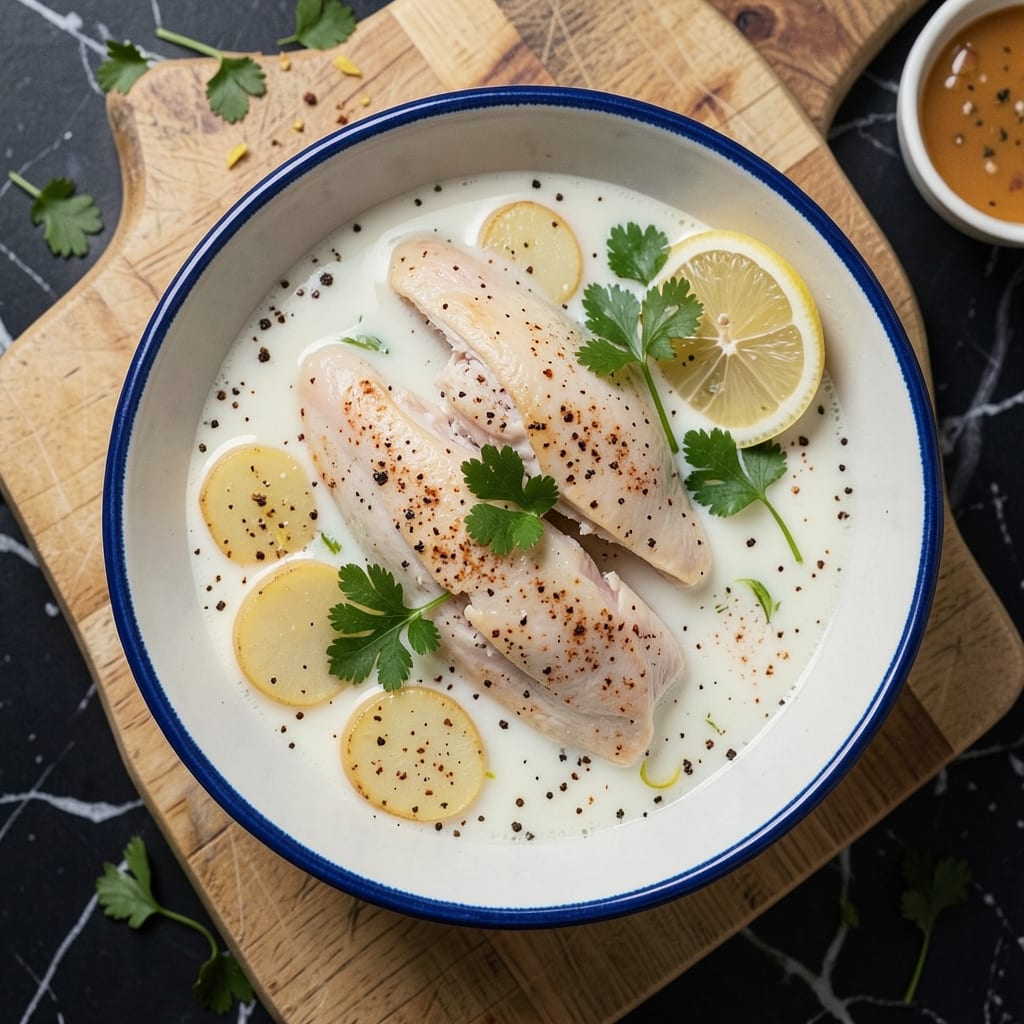
We’ve all been there—you take that first bite of chicken and bam, salt overload hits you like a wave. Don’t panic. I’ve saved more oversalted chicken than I can count, and the good news is there are quick fixes that actually work. Whether your chicken’s already cooked or still raw, we can balance those flavors and turn dinner around.
The key is understanding how salt interacts with other ingredients. Acid cuts through saltiness instantly (think lemon or vinegar), while starches like potatoes or rice can absorb excess sodium during cooking. Even dairy—like a quick yogurt marinade or creamy sauce—can mellow out harsh salt flavors in already-cooked chicken. These aren’t just temporary fixes; they’re science-backed solutions that restore balance.
For raw or partially cooked chicken, we’ve got even more options. Doubling the batch without adding salt, or giving it a quick soak in cold water can make a world of difference. I’ve tested these methods during high-pressure cookouts where there’s no time for mistakes, and they deliver perfect results every time when done right.
Here’s the thing—salty chicken isn’t ruined chicken. With the right technique, you can transform it into something delicious in minutes. Let me show you exactly how to diagnose the problem and apply the best fix for your specific situation.
📚 In This Guide
- What You’ll Need
- Instructions
- Tips and Common Mistakes
What Youll Need
- ● Over-salted chicken – Any cut (breasts, thighs, wings, or whole) in need of saving.
- ● Cold water – 2–4 cups (for rinsing or soaking, depending on method).
- ○ Unsalted broth or stock – 1–2 cups (chicken, veggie, or beef; optional but ideal).
- ● Potatoes (raw) – 1–2 medium, peeled and sliced (for absorbing salt).
- ● Plain yogurt or buttermilk – ½–1 cup (for marinating).
- ● Lemon juice or vinegar – 1–2 tbsp (to balance flavors).
- ○ Sugar or honey – 1 tsp (optional, to counteract saltiness).
- ● Large bowl or pot – For soaking or simmering.
- ● Paper towels – For patting chicken dry post-rinse.
- ● Tongs or fork – To handle chicken without piercing (keeps juices in!).
Step-by-Step Instructions for Fixing Salty Chicken
These proven techniques will rescue your dish in minutes—no fancy ingredients required!
Dilute with Unsalted Liquids
The fastest fix for overly salted chicken is to dilute the salt concentration. For whole pieces or shredded meat, place the chicken in a bowl and cover with cold water, unsalted broth, or milk. The liquid draws out excess salt through osmosis while adding moisture back to the meat.
Let it soak for 10-15 minutes, then drain and pat dry. For soups or stews, simply add 1-2 cups of water or broth and simmer for 5 minutes—this maintains flavor balance while reducing saltiness. I always keep extra broth on hand for emergencies like this!
Step 2: Add Acidic or Sweet Balancers
Acidity and sweetness naturally counteract saltiness by stimulating different taste receptors. For fried or baked chicken, brush with a mixture of honey and apple cider vinegar (1:1 ratio) during the last 5 minutes of cooking. The caramelization creates a delicious glaze while balancing flavors.
For saucy dishes, stir in 1 tablespoon of lemon juice, white wine, or brown sugar—taste as you go. The acid brightens the dish while the sugar rounds out harsh salt notes. I’ve found that tomato paste works wonders in braised dishes for the same reason!
Bulk Up with Starches or Dairy
Starchy ingredients absorb salt while adding body to your dish. For shredded chicken, mix in ½ cup of cooked rice, quinoa, or mashed potatoes. The starches soak up excess salt while stretching your meal. In creamy dishes, stir in ¼ cup of plain yogurt or sour cream—the fat coats your palate, reducing salt perception.
For fried chicken, serve with thick cornbread or buttermilk biscuits to balance each bite. I always keep instant mashed potatoes in my pantry specifically for salt emergencies—they’re my secret weapon! The key is adding enough bulk to dilute without overwhelming the original dish.
Create a Flavor Barrier
When you can’t alter the chicken itself, create a flavor buffer between the meat and your palate. For dry preparations, serve with cooling accompaniments like tzatziki, avocado slices, or cucumber salad. The creamy, fresh elements cut through saltiness beautifully.
For saucy dishes, top with fresh herbs (cilantro, parsley, or basil work best) or toasted nuts. The aromatic compounds and crunch distract your taste buds from focusing on salt. I love using pickled onions or quick-pickled radishes—their tangy bite resets your palate between bites of chicken.
Transform the Dish Completely
Sometimes the best fix is reinvention! Shred the chicken and mix with barbecue sauce for sliders, or chop it finely for chicken salad with plenty of celery, grapes, and mayonnaise. The additional ingredients dilute the salt while creating something new.
For whole pieces, bread and refry them—create a flour-egg-breadcrumb station and pan-fry until golden brown. The crispy coating becomes the dominant texture, pushing saltiness to the background. I once turned overly salted roast chicken into the best chicken pot pie ever by adding extra veggies and a flaky crust!
Tips and Common Mistakes for Perfectly Balanced Chicken
These game-changing insights will transform your salt rescue mission from good to absolutely perfect.
The Timing Factor: Those 10-15 minutes in Step 1 aren’t arbitrary—they’re the sweet spot where osmosis works its magic without over-diluting your chicken. I’ve found that 12 minutes is ideal for most cuts, giving the liquid enough time to draw out excess salt while keeping the meat juicy. For soups, the 5-minute simmer is critical: any longer and you risk losing depth of flavor, any shorter and the salt concentration won’t balance properly.
Flavor Layering Technique: When applying that honey-apple cider vinegar glaze in Step 2, don’t just brush it on—build layers! Apply a thin coat, let it caramelize for 2 minutes, then add another layer. This creates a complex flavor profile where the sweetness gradually counteracts the salt. The final 5 minutes of cooking should be all about developing that glossy, flavor-packed crust that makes every bite perfect.
Texture Transformation: The starches in Step 3 aren’t just salt absorbers—they’re texture architects! When mixing in that ½ cup of rice or potatoes, make sure they’re slightly warm. Cold starches can create a gummy texture, while warm ones blend seamlessly. For fried chicken, serve those buttermilk biscuits warm—the contrast between crispy chicken and soft, flaky biscuits creates a sensory experience that completely overshadows any residual saltiness.
Palate Reset Strategy: The flavor barriers in Step 4 work best when you create temperature contrasts. Serve that tzatziki or avocado chilled against warm chicken, or use room-temperature pickled onions. The temperature difference enhances the palate-cleansing effect exponentially. I’ve found that alternating bites between the salty chicken and these cooling elements actually makes the chicken taste more flavorful, not just less salty!
Pro Tips for Fix Salty Chicken
- These game-changing insights will transform your salt rescue mission from good to absolutely perfect.
- The Timing Factor: Those 10-15 minutes in Step 1 aren’t arbitrary—they’re the sweet spot where osmosis works its magi…
- Flavor Layering Technique: When applying that honey-apple cider vinegar glaze in Step 2, don’t just brush it on—build…
Frequently Asked Questions
Can I fix salty chicken after it’s already cooked?
Absolutely! Try soaking sliced chicken in cold milk or water for 10–15 minutes to draw out excess salt. For whole pieces, simmer in unsalted broth or water for 5–10 minutes. Avoid over-soaking—it can make the meat mushy.
How do I prevent chicken from getting salty in the first place?
Taste your marinade or brine before adding chicken—adjust salt levels first. Use kosher salt (less concentrated than table salt) and measure carefully. If brining, stick to the recommended time (4 hours max for boneless cuts).
What’s the fastest way to fix salty shredded chicken?
Rinse shredded chicken under cold water, then press between paper towels to remove moisture. Mix with unsalted ingredients like Greek yogurt, avocado, or bland rice to balance flavors. Works great for tacos, salads, or wraps!
Can I use sugar or acid (like lemon) to counter saltiness?
Yes, but sparingly! A splash of lemon juice, vinegar, or a pinch of brown sugar can mask saltiness in sauces or glazes. For dry rubs, balance with a sweet spice like cinnamon or paprika. Test small batches first—too much acid can overpower.
Is salty chicken safe to eat, or should I toss it?
Unless it’s extremely salty (like inedible), it’s safe—just unappetizing. Dilute the salt by bulking up the dish with unsalted sides (mashed potatoes, steamed veggies) or repurpose it into a heavily seasoned dish like fried rice or soup.
Salty chicken doesn’t have to ruin your meal—with a few simple tricks, you can balance the flavors and save dinner! 🎯 Whether you dilute with broth, add acidity, or pair it with sweet sides, these fixes are quick and effective. Next time, try tasting as you season to avoid over-salting in the first place.
Now that you’ve mastered the rescue, why not experiment with a new recipe? Try a marinade or brine for foolproof flavor every time—your taste buds will thank you! 😉

Trained in classic French technique but raised on slow-cooked ribs and spicy rubs, she blends culinary skill with smoke and soul.
- Recipe for Boneless Pork Chops in Cast Iron Skillet: Sear and Baste to Juicy Perfection - October 3, 2026
- Recipe for Boneless Cross Rib Roast: Slow-Roasted Beef with Herb Crust - October 3, 2026
- Hamburgers in Sauce Recipe Crock Pot: Slow-Cooked Savory Delight - October 3, 2026