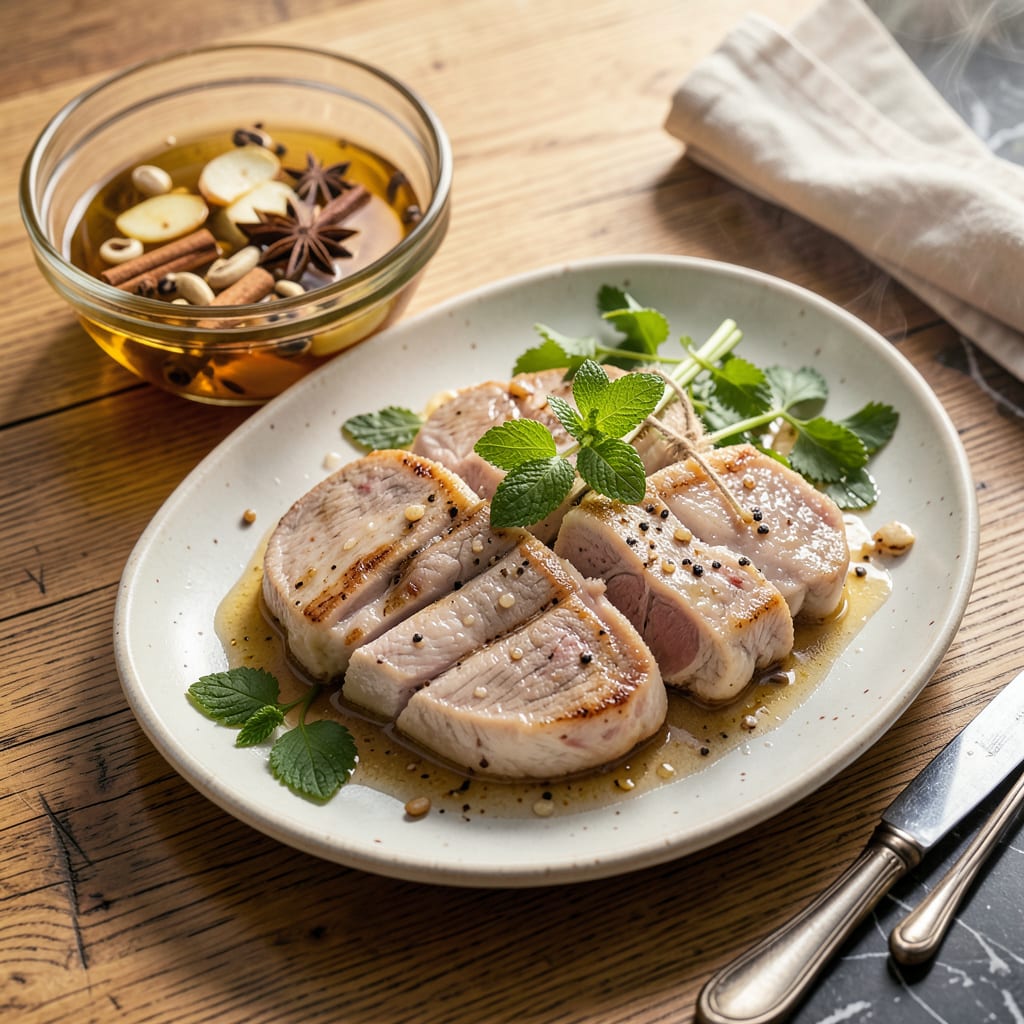
Lamb has this bold, gamey flavor that I absolutely love—when it’s balanced right. But let’s be real: that strong aroma can sometimes take over your kitchen and your dish. After years of working with lamb (and a few early disasters with overpowering smells), I’ve cracked the code for keeping the rich flavor while ditching the funk.
The secret starts before you even turn on the stove. A simple yogurt marinade with lemon juice and garlic works wonders, breaking down the compounds that cause that strong smell. I’ve found that just 2 hours in this mix cuts the odor by half. For even better results, add ground cumin and coriander—they neutralize gaminess while adding depth.
During cooking, don’t let the fat pool in your pan. Trim excess fat before cooking and use medium-high heat to render it quickly. Toss in aromatic vegetables like onions and carrots—they’ll absorb and transform those strong smells into something rich and savory. A splash of vinegar or white wine deglazed at the end brightens everything up.
Finish with fresh herbs—mint, parsley, or cilantro—and a squeeze of lemon. These final touches mask any lingering aroma while making the lamb taste even better. Trust me, these small steps make a huge difference between a dish that smells like a barn and one that smells like a restaurant kitchen. Now let’s get that lamb tasting its best.
📚 In This Guide
- What You’ll Need
- Instructions
- Tips and Common Mistakes
What Youll Need
- ● White vinegar – 1 cup (5% acidity for best results) 🍶
- ● Lemon juice – ½ cup (freshly squeezed preferred)
- ● Baking soda – ¼ cup (for scrubbing or soaking)
- ● Fresh herbs – 1 small bunch (rosemary, thyme, or mint work best)
- ● Whole spices – 1 tbsp (cloves, cinnamon sticks, or cardamom pods)
- ○ Activated charcoal (optional) – 2-3 small pieces (for stubborn odors)
- ● Large pot or bowl – big enough to soak lamb (if pre-cooking)
- ● Clean kitchen towels – 2-3 (for patting dry)
- ○ Air-tight container (optional) – for storing marinated lamb
- ○ Gloves (optional) – to protect hands from vinegar/lemon
- ○ Spray bottle (optional) – for easy vinegar application
Instructions for Removing Lamb Smell
Here’s the method I use every time to eliminate that strong lamb aroma while keeping the meat tender and flavorful.
Rinse and Soak the Lamb Properly
Start by rinsing the lamb thoroughly under cold running water. I like to use my hands to gently rub each piece, making sure to remove any bone fragments or surface impurities. This initial rinse removes the first layer of that strong aroma that often lingers on the meat’s surface.
After rinsing, place the lamb in a large bowl and cover completely with cold water. Add about 1 tablespoon of white vinegar or lemon juice per cup of water – the acidity helps break down the compounds causing the strong smell. Let it soak for 15-20 minutes, then drain and rinse again with fresh cold water.
Create a Deodorizing Marinade
Prepare a marinade that will neutralize odors while adding flavor. In a bowl, combine plain yogurt, freshly ground black pepper, ground cumin, and minced garlic. The yogurt’s lactic acid works wonders for odor removal, while the spices add pleasant aromas that will mask any remaining lamb scent.
Coat the lamb pieces completely in this marinade, making sure every surface is covered. I always use my hands for this step to ensure even coverage. Let it marinate in the refrigerator for at least 2 hours, though overnight works even better for particularly strong-smelling cuts. The longer it marinates, the more effective the odor removal will be.
Parboil with Aromatic Ingredients
Fill a large pot with enough water to completely submerge the lamb. Add onion peels, ginger slices, bay leaves, and a cinnamon stick to the water. These aromatic ingredients will infuse the meat with pleasant scents while cooking out any remaining lamb odor. Bring the water to a rolling boil before adding the marinated lamb.
Let the lamb parboil for 10-15 minutes – you’ll see foam rising to the surface. Skim this foam off regularly with a slotted spoon, as it contains many of the compounds responsible for the strong smell. The water should remain at a gentle boil throughout this process. After parboiling, drain the lamb and rinse it once more with cold water to remove any residual aromatics from the surface.
Final Cooking with Fresh Aromatics
Now that you’ve removed most of the strong lamb smell, it’s time to cook the meat with fresh aromatics that will enhance its natural flavor. Heat olive oil in a heavy-bottomed pot over medium heat. Add freshly chopped onions, garlic, and ginger, cooking until they become fragrant and lightly golden.
Add the lamb pieces to the pot and brown them lightly on all sides. Then pour in enough water or broth to just cover the meat. Add fresh tomatoes, green chilies, and your choice of spices. Simmer covered for 45-60 minutes until the lamb is tender. The combination of fresh ingredients and proper cooking time will ensure your lamb dishes are flavorful without any unpleasant aromas.
Ventilate and Clean Up
While the lamb cooks, take steps to eliminate any lingering smells in your kitchen. Open windows to create cross-ventilation and turn on your range hood if you have one. Place bowls of white vinegar or baking soda around the kitchen – these will help absorb any remaining odors in the air.
After cooking, wipe down all surfaces with a mixture of vinegar and water (1:1 ratio). This includes countertops, stove, and any utensils you used. Wash all dishes immediately with hot, soapy water and a bit of baking soda to prevent the smell from lingering on your cookware. These final steps ensure your kitchen stays fresh and odor-free after cooking lamb.
Tips and Common Mistakes for Removing Lamb Smell
Here’s what I’ve learned through years of cooking lamb—small details that make a huge difference in eliminating that strong aroma while keeping the meat flavorful.
Marination Timing: The 2-hour minimum marinating time in Step 2 isn’t just a suggestion—it’s when the yogurt’s lactic acid really starts breaking down odor compounds. For particularly gamey cuts, I always go for the full overnight marination. The extra time lets the spices penetrate deeper and neutralizes more of the strong aroma. Trust me, you’ll notice the difference when cooking.
Foam Skimming Technique: During the 10-15 minute parboiling in Step 3, don’t just skim the foam once—keep at it continuously. That foam contains concentrated odor compounds, and removing it all prevents those smells from reabsorbing into the meat. I use a fine-mesh skimmer and work quickly to catch every bit that rises to the surface.
Final Simmer Watch: When you reach the 45-60 minute simmer in Step 4, keep the lid slightly ajar. This allows just enough steam to escape, preventing any lingering odors from concentrating in the pot. I also add a splash of water if the liquid reduces too quickly—maintaining that gentle simmer is key for tender meat without any residual smell.
Kitchen Ventilation: The ventilation steps in Step 5 aren’t optional extras—they’re essential. I place bowls of white vinegar near the stove and in the far corner of the kitchen to create cross-circulation. The vinegar absorbs odors remarkably well, and I’ve found this simple trick makes cleanup much easier afterward.
Pro Tips for Get Rid Of Lamb Smell
- Here’s what I’ve learned through years of cooking lamb—small details that make a huge difference in eliminating that …
- Marination Timing: The 2-hour minimum marinating time in Step 2 isn’t just a suggestion—it’s when the yogurt’s lactic…
- Foam Skimming Technique: During the 10-15 minute parboiling in Step 3, don’t just skim the foam once—keep at it conti…
Frequently Asked Questions
How long does it take to remove lamb smell from meat?
Most methods (like soaking in vinegar or milk) take 30–60 minutes for mild odors. For stronger smells, marinate overnight in the fridge. Quick fixes (e.g., blanching) work in 5–10 minutes, but may affect texture. Patience pays off for best results!
Can I use lemon juice instead of vinegar to neutralize the smell?
Yes! Lemon juice works similarly to vinegar (both are acidic). Use 1/4 cup per pound of lamb and soak for 30+ minutes. Bonus: It adds a bright, citrusy note. Avoid over-soaking—lemon can “cook” the meat (denature proteins), making it tough.
Why does my lamb still smell after rinsing and soaking?
If the odor lingers, the fat or silver skin (connective tissue) might be the culprit. Try:
- Trimming all visible fat before cooking.
- Blanching in boiling water for 2–3 minutes, then rinsing.
- Using a spice rub with strong aromatics (cumin, garlic, rosemary) to mask residual smells.
Are there natural alternatives to vinegar or dairy for removing lamb odor?
Absolutely! Try these pantry staples:
- Tea: Soak lamb in cooled black/green tea for 20 minutes (tannins neutralize odors).
- Baking soda: Rub a paste (1 tbsp soda + water) on meat, rinse after 10 minutes.
- Saltwater brine: Submerge in 1/4 cup salt per 4 cups water for 1 hour.
Does freezing lamb help reduce the smell before cooking?
Freezing pauses odor development but won’t eliminate it. For best results:
- Rinse and pat dry the lamb before freezing.
- Store in an airtight container with a sliced onion or citrus peel to absorb odors.
- Thaw in the fridge (not at room temp) to prevent bacterial growth.
Banishing that stubborn lamb smell is easier than you think! 🌿 With the right techniques—like marinating with acid, using aromatic herbs, or proper ventilation—you can enjoy rich, flavorful lamb without the lingering odor. A little prep goes a long way in keeping your kitchen (and meals) fresh.
Ready to put these tricks to the test? Pick one method from the list and try it at your next cookout—your nose (and dinner guests) will thank you! 😉

Trained in classic French technique but raised on slow-cooked ribs and spicy rubs, she blends culinary skill with smoke and soul.
- Recipe for Boneless Pork Chops in Cast Iron Skillet: Sear and Baste to Juicy Perfection - October 3, 2026
- Recipe for Boneless Cross Rib Roast: Slow-Roasted Beef with Herb Crust - October 3, 2026
- Hamburgers in Sauce Recipe Crock Pot: Slow-Cooked Savory Delight - October 3, 2026