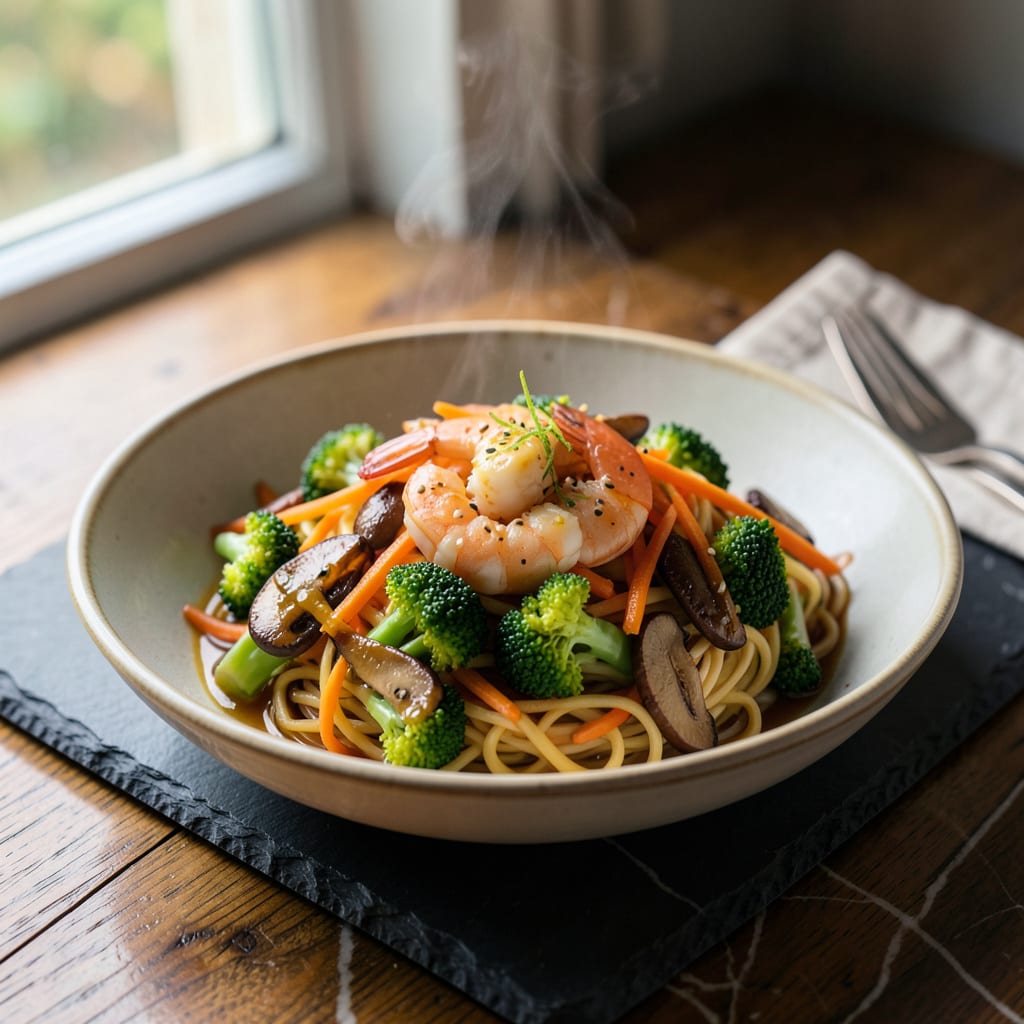
We’ve all been there—one extra splash of soy sauce and suddenly your stir-fry tastes like a salt bomb. Don’t panic. I’ve rescued countless dishes from soy sauce overload, and the good news is it’s easier to fix than you think. The key is acting fast before the flavors set in.
Your first instinct might be to add water, but that just waters down flavor. Instead, try balancing with acidity (a splash of vinegar or lime juice), sweetness (honey or brown sugar), or starch (cooked rice or potatoes). These simple additions can neutralize that overpowering soy taste while keeping your dish delicious.
Here’s what works best: for every tablespoon of excess soy sauce, add 1 teaspoon of acid or sweetener, or ¼ cup of starchy ingredients. Taste as you go—you can always add more, but you can’t take it out. I’ve used this method everything from fried rice to marinades with perfect results.
Most importantly, don’t scrap the whole meal. With these quick fixes, you’ll end up with a balanced dish that might even taste better than your original plan. Let’s save that dinner!
📚 In This Guide
- What You’ll Need
- Instructions
- Tips and Common Mistakes
What Youll Need
- ● Neutral ingredients (required): 1–2 cups cooked white rice, potatoes, or tofu (to absorb excess salt)
- ● ½–1 cup water, unsalted broth, or coconut milk (for dilution)
- ● 1–2 tbsp sugar, honey, or maple syrup (to counter bitterness)
- ● Acidic balancers (required): 1–2 tbsp rice vinegar, lemon juice, or apple cider vinegar
- ○ Optional flavor boosters: 1 tsp sesame oil (for depth)
- ● Fresh cilantro, green onions, or ginger (to brighten the dish)
- ● 1–2 tbsp peanut butter or tahini (for creaminess in sauces)
- ● Tools: Mixing bowl, spoon, and taste-testing utensils (aka your trusty fork! 🍴).
Instructions
Here’s exactly how to fix that soy sauce overload—simple, fast, and foolproof.
Dilute with Liquid
The quickest fix is to add more liquid to balance the saltiness. Start with ¼ cup of water, broth, or unsalted stock—whatever fits your dish. Stir well and taste before adding more. I always keep chicken broth on hand for this exact reason.
For soups or sauces, this works instantly. If it’s a stir-fry or meat dish, add the liquid gradually while cooking to let it absorb. The goal isn’t to water down your dish but to distribute the soy sauce flavor more evenly. You’ll notice the saltiness mellows within 1-2 minutes of simmering.
Add Acid to Brighten Flavors
Acidity cuts through saltiness beautifully. Add 1 tablespoon of rice vinegar, lemon juice, or lime juice to your dish. The acid doesn’t reduce the salt content but makes it less overwhelming by adding a contrasting flavor.
This works especially well in Asian-inspired dishes where a touch of acidity is expected. Stir it in, then taste after 30 seconds—the flavors will balance as the acid incorporates. I’ve found that citrus works better in meat dishes while vinegar suits vegetable-heavy recipes.
Incorporate Starchy Ingredients
Starch absorbs excess liquid and salt. For sauces or soups, mix 1 teaspoon of cornstarch with 2 teaspoons of cold water, then stir it into your dish. Cook for 1-2 minutes until slightly thickened. The starch molecules bind with the soy sauce, reducing its intensity.
For stir-fries or meat dishes, add cooked rice, noodles, or potatoes. These act like flavor sponges, soaking up the excess soy sauce. I always keep plain cooked rice in my fridge for emergencies like this. You’ll see the starch immediately start to balance the flavors as it absorbs the liquid.
Balance with Sweetness
Sweetness counteracts saltiness effectively. Add 1 teaspoon of honey, brown sugar, or mirin to your dish. Stir well and taste after 1 minute—the sweetness will emerge as it dissolves. This works particularly well in marinades and glazes.
For savory dishes, use just enough sweetness to balance without making it taste dessert-like. I prefer honey because it blends smoothly and adds depth. You’ll know it’s working when the harsh saltiness fades and the flavors round out. The dish should taste harmonious, not sweet.
Bulk Up with Neutral Ingredients
When all else fails, increase the volume of your dish with neutral ingredients. Add more of the main protein or vegetable—whatever fits naturally. For example, toss in extra cooked chicken or tofu for stir-fries, or add more steamed vegetables to soups.
This dilutes the soy sauce concentration without altering the existing flavors. I’ve rescued many dishes this way by simply doubling the “good” components. The key is to add ingredients that complement what’s already there, not overpower it. You’ll end up with more servings, but perfectly balanced flavor.
Tips and Common Mistakes
These quick fixes will save your dish when soy sauce takes over—learn from my kitchen mishaps.
Liquid Balance Technique: When adding that ¼ cup of liquid in Step 1, start with water for neutral flavor or chicken broth for depth. The key is gradual addition—taste after each ¼ cup increment. I ruined a stir-fry once by dumping in too much broth at once; now I add it 1 tablespoon at a time for precise control. You’ll notice the saltiness mellow within those critical 1-2 minutes of simmering.
Acid Timing Secret: The 30-second wait in Step 2 isn’t arbitrary—it’s when the acid fully integrates. I learned this after adding lemon juice too early and getting a harsh, unbalanced flavor. For stir-fries, add acid off-heat first, then return to flame. The heat helps distribute the acid evenly without cooking it off. Rice vinegar works best for delicate dishes, while lime juice stands up to bold flavors.
Starch Ratio Insight: That 1 teaspoon cornstarch to 2 teaspoons water ratio in Step 3 is non-negotiable. Too much cornstarch makes your sauce gluey; too little won’t absorb enough salt. Whisk vigorously for 10 seconds before adding to prevent clumping. I keep pre-mixed slurry in my fridge for emergencies—it stays good for 3 days and saves precious minutes when fixing a dish.
Sweetness Strategy: The 1 teaspoon of sweetener in Step 4 should dissolve completely during that 1 minute of stirring. Brown sugar adds molasses notes that work wonders in meat dishes, while honey blends seamlessly into sauces. For marinades, add sweetener before the soy sauce—it creates a protective layer that prevents over-salting from the start.
Pro Tips for Fix Too Much Soy Sauce
- These quick fixes will save your dish when soy sauce takes over—learn from my kitchen mishaps.
- Liquid Balance Technique: When adding that ¼ cup of liquid in Step 1, start with water for neutral flavor or chicken …
- Acid Timing Secret: The 30-second wait in Step 2 isn’t arbitrary—it’s when the acid fully integrates. I learned this …
Frequently Asked Questions
Can I fix a dish with too much soy sauce after it’s already cooked?
Even after cooking, you can balance the flavor by adding acidity (lemon juice, vinegar), sweetness (honey, sugar), or bulk (extra veggies, rice, or broth). Taste as you go—small adjustments work best!
How long does it take to fix an oversalted dish with soy sauce?
Most fixes take 5–10 minutes —like simmering with potatoes or adding dairy (yogurt, coconut milk). For quick fixes (e.g., sugar or vinegar), it’s instant! Complex dishes (stews, sauces) may need 15–20 minutes to meld flavors.
What’s the best soy sauce alternative if I accidentally overpour?
Try coconut aminos (milder, slightly sweet) or Worcestershire sauce (umami without overpowering salt). For a DIY fix, mix low-sodium soy sauce + a pinch of sugar to dilute the intensity.
Why does my stir-fry taste bitter after adding too much soy sauce?
Soy sauce overuse can emphasize burnt or fermented bitterness. Counter it with:
- Sweetness: Maple syrup or brown sugar
- Fat: A drizzle of sesame oil or peanut butter
- Freshness: Cilantro, green onions, or lime
Can I save a marinade that’s too salty from soy sauce?
Yes! Dilute with water, pineapple juice, or unsalted broth (1:1 ratio). For meat marinades, rinse briefly before cooking or balance with extra oil/herbs. Avoid over-diluting—flavor matters!
Too much soy sauce doesn’t have to ruin your dish! With a few simple tweaks—like balancing flavors, diluting, or adding texture—you can turn a salty mishap into a delicious win. 🎉 Next time you’re in the kitchen, keep these fixes handy and trust your taste buds to guide you.
Ready to put these tips to the test? Try rescuing that over-sauced stir-fry or soup tonight—your future meals (and dinner guests) will thank you! 🍜✨

Trained in classic French technique but raised on slow-cooked ribs and spicy rubs, she blends culinary skill with smoke and soul.
- Recipe for Boneless Pork Chops in Cast Iron Skillet: Sear and Baste to Juicy Perfection - October 3, 2026
- Recipe for Boneless Cross Rib Roast: Slow-Roasted Beef with Herb Crust - October 3, 2026
- Hamburgers in Sauce Recipe Crock Pot: Slow-Cooked Savory Delight - October 3, 2026