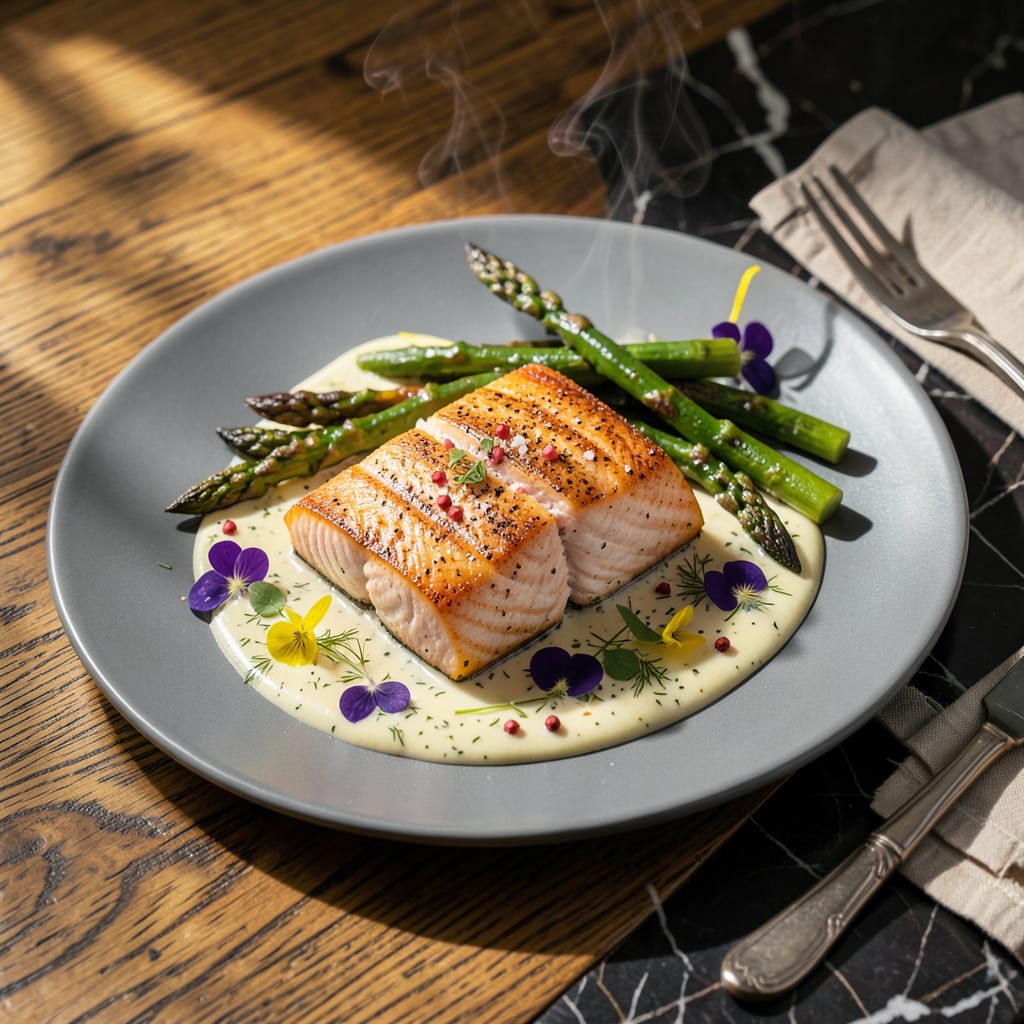
Let me tell you something—reheating salmon without drying it out is easier than you think. I’ve ruined more leftovers than I’d like to admit before cracking this method. The secret lies in gentle heat and just enough moisture to keep those flakes perfect.
Here’s the thing—salmon’s delicate texture demands special treatment. Whether you’re working with last night’s dinner or meal-prepped fillets, the right approach makes all the difference. I’ll show you how to bring it back to life with that just-cooked tenderness, no fancy equipment required.
You’ll be amazed how moist and flaky your salmon can taste after reheating. The key is controlling temperature and timing—too hot too fast, and you’re left with rubbery fish. My method works for oven, stovetop, or even microwave when you’re in a pinch.
Fair warning: once you try this, you’ll never toss leftover salmon again. That perfectly cooked fillet deserves a second chance to shine. Here’s exactly how to make it happen without the guesswork.
📚 In This Guide
- What You’ll Need
- Instructions
- Tips and Common Mistakes
What Youll Need
- ● Cooked salmon fillet(s): 1–2 portions (4–6 oz each), previously refrigerated or frozen (thawed) 🐟
- ● Oven or toaster oven (for even heating) OR microwave (for speed) OR skillet (for crispy edges)
- ● Heat-safe dish: Microwave: glass or ceramic plate with a microwave-safe cover (or damp paper towel)
- ● Oven: baking sheet lined with parchment paper or aluminum foil
- ● Skillet: non-stick or cast-iron pan (8–10 inches)
- ○ Cooking oil or butter: ½–1 tsp (for skillet method; optional for moisture)
- ○ Lemon wedges or fresh herbs: optional, for brightness (e.g., dill, parsley, or thyme) 🍋
- ● Kitchen tools: Tongs or fish spatula (to avoid flaking)
- ○ Meat thermometer (optional but ideal; target 125–130°F internal temp)
- ● Paper towels (to pat dry excess moisture)
- ○ Seasonings: optional (salt, pepper, garlic powder, or a pinch of smoked paprika)
Instructions for Heating Up Salmon Perfectly
Here’s the foolproof method I use to warm salmon while keeping it moist and flaky every time.
Choose Your Reheating Method
For best results, I always recommend using either the oven or stovetop method rather than the microwave. The oven works particularly well for larger portions or fillets, while the stovetop gives you more control for individual servings. If you must use a microwave, we’ll cover that too—but with important precautions.
Take your salmon out of the refrigerator about 10 minutes before reheating to remove the chill. This short rest prevents the sudden temperature shock that can dry out the fish. Pat any visible moisture from the surface with a paper towel—this helps prevent steaming which can make the salmon rubbery.
Oven Method for Even, Gentle Warming
Preheat your oven to 275°F—this low temperature ensures the salmon warms through without overcooking. Place the salmon on a baking sheet lined with parchment paper or aluminum foil. For extra moisture protection, I like to add a splash of water to the baking sheet and cover the salmon loosely with foil.
Bake for 10-15 minutes depending on thickness. You’ll know it’s ready when the internal temperature reaches 125°F on an instant-read thermometer. The salmon should flake easily with a fork but still appear slightly translucent in the center—it will continue cooking slightly after you remove it from the oven.
Stovetop Method for Quick, Controlled Results
Heat a nonstick skillet over medium-low heat and add a small amount of butter or olive oil—just enough to lightly coat the bottom. Place your salmon in the pan skin-side down if it has skin. The key here is gentle heat—you’re warming, not cooking.
Cover the pan with a lid and let it warm for 3-5 minutes. You’ll see the edges start to turn opaque and the fish will begin to flake slightly when pressed with a spatula. Flip carefully if needed, but usually just warming one side is sufficient. The salmon is ready when it reaches that perfect 125°F internal temperature.
Microwave Method (Last Resort)
If you must use the microwave, place your salmon on a microwave-safe plate and cover it with a damp paper towel. This creates steam that helps prevent drying. Use 30-second intervals at 50% power, checking between each interval.
Most portions will be ready after 60-90 seconds total. The salmon is done when it’s just warmed through—it should still look moist and slightly glossy. Be extremely careful not to overheat, as microwave cooking can quickly turn salmon dry and rubbery if you’re not vigilant.
Serve Immediately for Best Texture
No matter which method you use, serve your reheated salmon immediately. The texture is at its peak right when it comes out of the heat source. If you’ve reheated a plain fillet, consider adding a squeeze of lemon or a drizzle of olive oil to refresh the flavors.
Check that the salmon maintains its beautiful flaky texture—it should separate easily into clean layers with gentle fork pressure. The center should still appear slightly translucent when you pull it apart, indicating perfect doneness. Any leftover reheated salmon should be eaten within 2 hours for best quality and safety.
Tips and Common Mistakes for Perfectly Heated Salmon
After years of experimenting with reheating salmon, I’ve learned these key details make all the difference between dry disappointment and restaurant-quality results.
Temperature Precision: That 275°F oven setting in Step 2 isn’t arbitrary—it’s the sweet spot where salmon warms gently without continuing to cook. I’ve found even 25°F higher can start drying out the edges while the center catches up. Use an oven thermometer if yours runs hot or cold, as many do. The same goes for stovetop reheating: medium-low heat means you should barely see the oil shimmer in the pan.
Moisture Management: Here’s what nobody tells you—the 10 minutes at room temperature before reheating (Step 1) does more than prevent temperature shock. It gives the fish time to reabsorb any surface moisture that leaked out during storage. Skip this, and you’ll lose that perfect flaky texture we’re after. I always pat the salmon dry right before reheating, but not before that rest period.
The Foil Trick: When using the oven method, that loose foil cover isn’t just to prevent drying—it creates a mini steam environment. I add a splash of water to the baking sheet (as mentioned in Step 2) because the resulting steam keeps the surface moist while the gentle heat warms the center. Just be sure to leave one corner slightly open so moisture doesn’t pool and make the salmon soggy.
Doneness Visuals: The 125°F target temperature is perfect, but here’s how to check without a thermometer: Press gently with a fork—the salmon should flake cleanly but still offer slight resistance in the center. You’ll see the edges turn from translucent to opaque while the very center remains just slightly glossy. This is exactly what you want, as it will finish cooking from residual heat after you remove it from the heat source.
Pro Tips for Heat Up Salmon
- After years of experimenting with reheating salmon, I’ve learned these key details make all the difference between dr…
- Temperature Precision: That 275°F oven setting in Step 2 isn’t arbitrary—it’s the sweet spot where salmon warms gentl…
- Moisture Management: Here’s what nobody tells you—the 10 minutes at room temperature before reheating (Step 1) does m…
Frequently Asked Questions
Got questions about reheating salmon? You’re not alone! Here are the most common concerns—answered fast so you can enjoy that perfect bite.
Can you reheat salmon in the microwave without drying it out?
Yes! Use medium power (50-60%) and cover the salmon with a damp paper towel. Heat in 20-second bursts, flipping once, until just warm (about 1–1.5 minutes total). Avoid overcooking—it’s the #1 culprit for dryness!
How do you know when reheated salmon is done?
Check the internal temp: 125–130°F is ideal (use a meat thermometer!). Visually, it should flake easily with a fork but still look slightly translucent in the center. Overheating turns it chalky—stop early!
What’s the best way to reheat salmon if I don’t have an oven or microwave?
Try the stovetop: Heat 1 tbsp oil or butter in a pan on low-medium, add salmon skin-side down, and cover for 2–3 minutes. Or use an air fryer at 275°F for 3–4 minutes. Both keep it moist!
Why does my reheated salmon smell “fishy”?
A strong smell usually means it’s overcooked or past its prime. To fix: Reheat gently (low temp, less time) and add a squeeze of lemon or fresh herbs to mask odors. Always store salmon airtight in the fridge for max 2 days.
Can I reheat salmon more than once?
Nope—don’t risk it! Reheating salmon twice dries it out and boosts bacteria growth. Portion leftovers before storing, and only reheat what you’ll eat. Safety first: Toss anything left out over 2 hours.
Heating up salmon doesn’t have to mean dry, rubbery fish—just a little know-how keeps it flaky, moist, and delicious! 🎯 Whether you’re using the oven, stovetop, or microwave, the key is gentle heat and a watchful eye. Now that you’ve got the techniques down, why not put them to the test? Try reheating last night’s leftovers or meal-prepping salmon for the week—your taste buds will thank you! For even more seafood tips, check out our guide on storing salmon properly to keep it fresh longer.

Trained in classic French technique but raised on slow-cooked ribs and spicy rubs, she blends culinary skill with smoke and soul.
- Recipe for Boneless Pork Chops in Cast Iron Skillet: Sear and Baste to Juicy Perfection - October 3, 2026
- Recipe for Boneless Cross Rib Roast: Slow-Roasted Beef with Herb Crust - October 3, 2026
- Hamburgers in Sauce Recipe Crock Pot: Slow-Cooked Savory Delight - October 3, 2026