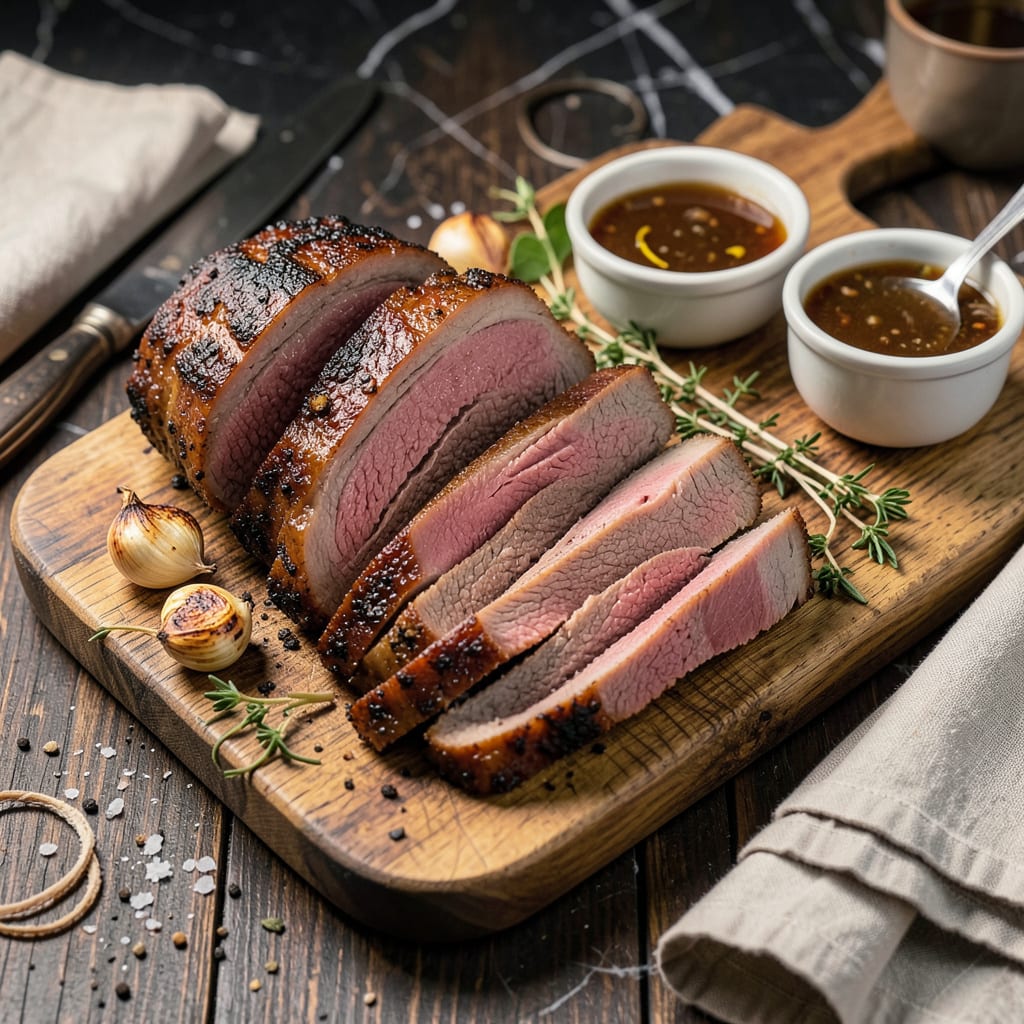
I’ll never forget the first time I sliced into a perfect brisket, only to watch it lose all its juices right on the cutting board. That heartbreak led me to discover the pitmaster’s secret for keeping brisket moist after slicing—no more dry, disappointing leftovers. This isn’t just about wrapping it right; it’s about understanding what happens to that beautiful meat the moment your knife hits it.
Here’s the thing—brisket keeps cooking even after it comes off the smoker. That’s why resting is non-negotiable. I rest mine wrapped in butcher paper for at least 1 hour (2 hours for large cuts) in a warm cooler. This lets the juices redistribute instead of pooling on your cutting board. The difference between slicing too soon and waiting? Night and day in texture and flavor.
The real game-changer comes after slicing. I always reserve the au jus from the resting process, then arrange slices in a pan with some of that liquid before covering tightly. When reheating, a splash of beef broth in the pan brings it back to life. No one should suffer through dry brisket when these simple steps guarantee juicy, tender results every time.
Between you and me, the tools matter too. A meat thermometer isn’t optional—it’s your insurance policy against overcooking. And those grooves in a good carving board? They’re not just for show. They catch precious juices you can spoon right back over the meat. Master these techniques, and you’ll serve brisket that stays moist from first slice to last bite.
📚 In This Guide
- What You’ll Need
- Instructions
- Tips and Common Mistakes
What Youll Need
- ● Sliced brisket – 1 fully cooked, rested brisket (10–16 lbs), sliced against the grain into ¼-inch thick pieces 🥩
- ● Butcher paper or foil – 2–3 feet of heavy-duty peach paper (preferred) or aluminum foil (18″ wide) for wrapping
- ● Beef broth, au jus, or brisket drippings – ½–1 cup (warmed) to rehydrate slices
- ○ Spray bottle – 1 (optional, for misting slices with broth or apple cider vinegar)
- ● Heat-safe container – 1 insulated cooler or slow cooker (for holding temperature)
- ● Meat thermometer – 1 instant-read (to monitor internal temp: 145–165°F ideal)
- ● Tongs or serving utensils – 1 pair (avoid forks to prevent piercing meat)
- ○ Plastic wrap (optional) – For short-term storage (press directly onto slices to seal in moisture)
- ○ Basting brush (optional) – To apply extra fat or sauce before serving
- ● Warm holding setup – Chafing dish, oven (170°F max), or grill indirect zone (if serving later)
Instructions for Keeping Brisket Moist After Slicing
Here’s the foolproof method I use to lock in moisture—your brisket will stay juicy from first slice to last.
Rest the Whole Brisket Properly
Before you even think about slicing, let the whole brisket rest for at least 1 hour wrapped in butcher paper or foil. I prefer butcher paper because it breathes while still keeping the meat warm. This resting period allows the juices to redistribute throughout the meat instead of running out onto your cutting board.
Place the wrapped brisket in a warm cooler or oven set to 170°F during this rest. The internal temperature should stay above 140°F—this is crucial for maintaining moisture. I’ve found that brisket that cools too quickly during resting tends to dry out faster after slicing.
Slice Against the Grain with a Sharp Knife
When you’re ready to slice, locate the grain direction—you’ll see lines running through the meat. Using a long, sharp slicing knife, cut across these lines into ¼-inch thick slices. The flat and point have different grain directions, so you’ll need to rotate the brisket 90 degrees when you reach the point.
A sharp knife is non-negotiable here. A dull blade crushes the meat fibers, causing more juice loss. I run my knife through a steel before slicing to ensure it’s razor-sharp. Each slice should come away cleanly with minimal resistance—if you’re sawing at the meat, your knife isn’t sharp enough.
Serve Immediately with Juices
As you slice, you’ll notice juices accumulating on the cutting board. Don’t let these precious liquids go to waste! I spoon them back over the sliced meat before serving. This not only adds moisture but also intensifies the flavor in every bite.
Serve the brisket immediately after slicing while it’s still warm. The longer sliced brisket sits, the more moisture it loses. If you must hold it, transfer slices to a warm platter and tent loosely with foil—never seal it tightly, as that creates steam that can make the bark soggy.
Store Leftovers Strategically
For any leftover brisket, store it in an airtight container with the sliced meat packed closely together. I add a splash of beef broth or the collected juices from the cutting board before sealing the container. This creates a moist environment that prevents drying.
When reheating, use gentle methods. My favorite is placing slices in a skillet with a little broth, covering, and warming over low heat for 5-7 minutes. The microwave is your enemy here—it zaps moisture right out of the meat. You want to warm it through without cooking it further.
Revive with Moisture When Needed
If your brisket does start to dry out, don’t panic. I keep a spray bottle of warm beef broth handy to lightly mist slices before reheating. You can also brush them with a thin layer of rendered beef fat or butter—this adds both moisture and richness.
For serving leftovers, consider incorporating them into dishes where moisture is added. Brisket tacos with salsa, chopped brisket in baked beans, or even brisket hash with potatoes all work beautifully. The key is adding complementary moist ingredients rather than trying to rehydrate the meat itself.
Tips and Common Mistakes
Mastering these details makes all the difference between dry, disappointing brisket and fall-apart tender slices that impress every time.
Resting Temperature Control: That 1 hour rest at 170°F isn’t arbitrary—it’s the sweet spot where collagen continues to break down while juices redistribute. I’ve ruined brisket by rushing this step. Use an oven thermometer to confirm your oven actually holds 170°F; many run hotter than their dials indicate. If your oven fluctuates, a warm cooler with towels works just as well to maintain that critical 140°F internal temperature.
Knife Sharpness Test: Here’s what nobody tells you—test your knife on a sheet of paper before slicing. A truly sharp knife will catch and slice through paper with minimal pressure. If it tears or requires sawing, sharpen it again. The ¼-inch thick slices in Step 2 demand precision; a dull knife creates ragged edges that release more juices. I keep a honing steel at my slicing station and give my knife two quick passes between every few slices.
Juice Preservation Hack: When spooning those accumulated juices back over sliced brisket in Step 3, tilt your cutting board slightly and use a flexible silicone spatula to scrape up every last drop. I also place a small bowl at the edge of the board to catch runoff as I slice. These juices contain dissolved collagen and rendered fat—liquid gold for moisture and flavor that most people waste.
Reheating Precision: The 5-7 minutes over low heat in Step 4 isn’t just about time—it’s about temperature control. Use a skillet with a heavy bottom (cast iron works best) and keep the heat low enough that you can comfortably hold your hand 3 inches above the pan for 5 seconds. Add just enough broth to create a thin film in the pan—about 2 tablespoons per 4 servings. Covering traps steam that gently reheats without drying.
Pro Tips for Keep Brisket Moist After Slicing
- Mastering these details makes all the difference between dry, disappointing brisket and fall-apart tender slices that…
- Resting Temperature Control: That 1 hour rest at 170°F isn’t arbitrary—it’s the sweet spot where collagen continues t…
- Knife Sharpness Test: Here’s what nobody tells you—test your knife on a sheet of paper before slicing. A truly sharp …
Frequently Asked Questions
How long can I keep sliced brisket moist before it dries out?
With proper storage, sliced brisket stays moist for 2–3 hours at room temperature (covered tightly) or up to 4 days in the fridge. For longer storage, wrap slices in butcher paper + foil, then reheat in a steam-filled oven (250°F) or sous vide.
Can I use aluminum foil alone to keep brisket moist after slicing?
Foil helps, but it’s not foolproof! Wrap slices tightly in foil plus a towel or butcher paper to trap steam. For best results, add a splash of beef broth or brisket juices before sealing. Avoid leaving gaps—air is the enemy!
What’s the best way to reheat sliced brisket without drying it out?
Low and slow wins! Use a steam tray (add water or broth) in a 250°F oven for 15–20 minutes, or warm slices in a sealed bag in a sous vide at 165°F. Microwaving? Cover with a damp paper towel and use 50% power in 30-second bursts.
Are there alternatives to butcher paper for wrapping sliced brisket?
Try:
- Parchment paper + foil (breathable but protective)
- Beeswax wraps (eco-friendly, short-term use)
- Vacuum-sealed bags (ideal for fridge/freezer storage)
Avoid plastic wrap—it traps condensation, making meat soggy.
Why does my brisket still dry out after slicing, even when wrapped?
Common culprits:
- Over-slicing (thin cuts dry faster—aim for ¼-inch thickness)
- Waiting too long to wrap (slice just before serving or serving)
- Skipping resting (rest whole brisket 1–2 hours before slicing)
- Low humidity (add a water pan to your storage container)
Keeping your brisket juicy and tender after slicing doesn’t have to be a mystery! By using the right techniques—like resting properly, slicing against the grain, and storing it with moisture—you can serve up perfectly moist brisket every time. 🎯 Whether it’s for a backyard BBQ or meal prep, these tips ensure your hard work pays off in every bite.
Now that you’ve got the know-how, why not put it to the test? Fire up that smoker, grab a fresh brisket, and wow your guests with the juiciest results yet! Happy smoking! 🍖

Trained in classic French technique but raised on slow-cooked ribs and spicy rubs, she blends culinary skill with smoke and soul.
- Recipe for Boneless Pork Chops in Cast Iron Skillet: Sear and Baste to Juicy Perfection - October 3, 2026
- Recipe for Boneless Cross Rib Roast: Slow-Roasted Beef with Herb Crust - October 3, 2026
- Hamburgers in Sauce Recipe Crock Pot: Slow-Cooked Savory Delight - October 3, 2026