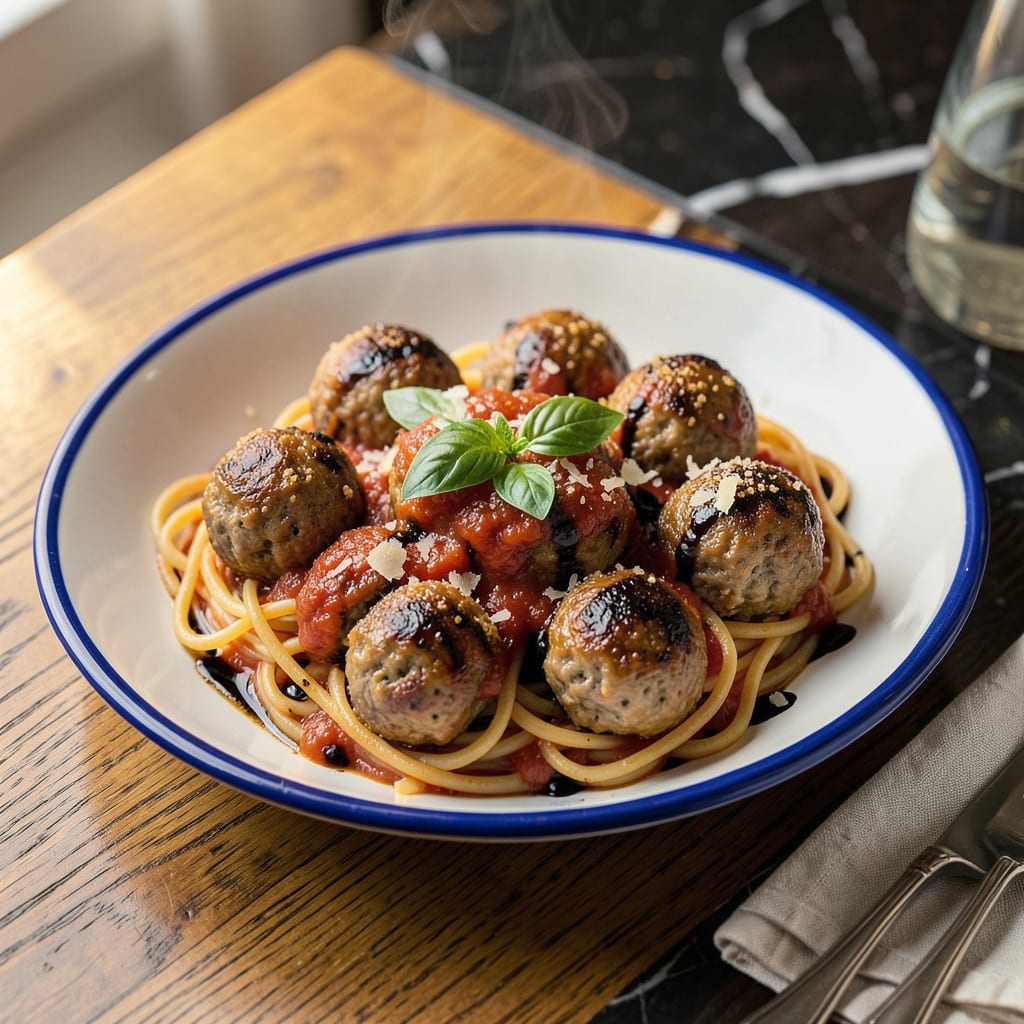
Nothing ruins a meatball like watching it crumble apart mid-cook—been there, done that, and it’s frustrating as hell. After years of testing (and more than a few failed batches), I’ve cracked the code for perfectly firm meatballs that hold together every time. The secret isn’t fancy ingredients; it’s all about technique and ratios.
Here’s the thing—most recipes skip the science. You need the right binder (breadcrumbs and eggs are your best friends), proper mixing (just until combined, no overworking!), and the right cooking method. Pan-searing gives you that crispy exterior while baking keeps them tender. I’ll show you exactly how to balance moisture and structure so your meatballs stay intact from mixing bowl to plate.
Whether you’re making classic Italian meatballs or experimenting with gluten-free binders like almond flour, these principles work. I’ve tested them all—from beef to turkey to plant-based versions. The key is understanding why meatballs fall apart in the first place (hint: it’s usually too much liquid or not enough binder).
Let me walk you through the foolproof method, step by step. By the time you’re done, you’ll have restaurant-quality meatballs that hold their shape perfectly—no more sad, crumbly disappointments. Ready to make meatballs that actually stay together?
📚 In This Guide
- What You’ll Need
- Instructions
- Tips and Common Mistakes
What Youll Need
- ● Ground meat – 1 lb (80% lean, 20% fat for best texture; beef, pork, turkey, or a mix)
- ● Binder – ½ cup breadcrumbs (or panko for extra crunch) OR ¼ cup crushed crackers
- ● Egg – 1 large (room temperature for better binding)
- ● Grated onion or garlic – 2 tbsp (for moisture without excess liquid)
- ○ Milk or broth – 2–3 tbsp (to hydrate breadcrumbs; optional but recommended)
- ○ Parmesan cheese – ¼ cup grated (optional but adds structure + flavor)
- ● Mixing bowl – Large, non-reactive (glass or stainless steel)
- ● Measuring cups/spoons – For precise ratios
- ● Rubber spatula or fork – To gently combine (no overmixing!)
- ○ Cookie scoop or scale – For evenly sized meatballs (optional but helpful)
- ● Baking sheet or skillet – With parchment paper (for oven-baked) or 1 tbsp oil (for pan-searing)
- ● Meat thermometer – To check doneness (160°F for beef/pork, 165°F for poultry)
Instructions for Perfectly Firm Meatballs
Here’s my proven method for meatballs that hold together beautifully every single time.
Choose the Right Meat Ratio
Start with a combination of ground beef, ground pork, and ground veal in equal proportions. The pork adds fat for moisture, the beef provides structure, and the veal creates a tender texture. If you can’t find veal, substitute with additional pork, but don’t use all beef—it tends to make meatballs too dense.
I always recommend buying freshly ground meat from your butcher rather than pre-packaged options. The fat content should be around 20-25%—this is crucial for binding without making the meatballs greasy. Ask for a coarse grind if possible; it creates better texture in the finished product.
Create the Perfect Binder System
For every pound of meat, you’ll need ½ cup breadcrumbs and ¼ cup milk. Soak the breadcrumbs in the milk for 5 minutes before mixing—this creates a panade that acts as an internal glue. I prefer using fresh breadcrumbs made from day-old Italian bread for superior texture and absorption.
Add 1 large egg per pound of meat to the mixture. The egg proteins will coagulate during cooking, creating additional structure. Whisk the egg lightly before adding to ensure even distribution throughout the meat mixture. This binder system is what prevents your meatballs from crumbling during cooking.
Develop Proper Texture Through Mixing
Combine all ingredients gently using your hands or a fork. The key is to mix just until everything is evenly distributed—overmixing develops the meat proteins too much, resulting in tough, dense meatballs that can fall apart. You should still see some texture in the mixture when you’re done.
Here’s the thing—I always test the mixture by forming a small patty and cooking it in a skillet. If it holds together well during cooking, your ratio is correct. If it falls apart, you may need to adjust your binder. This quick test saves you from discovering problems after all the meatballs are formed.
Form Uniform Meatballs with Proper Technique
Use a cookie scoop or ice cream scoop to portion the meat mixture—this ensures uniform size, which means even cooking. For standard meatballs, I use a 2-tablespoon scoop, which yields about 1.5-inch meatballs when rolled.
Roll each portion between your palms using gentle pressure. Don’t compact the meat too tightly—this squeezes out moisture and makes the meatballs dense. You want them to hold together but still have a slightly loose texture. As you form them, place the meatballs on a parchment-lined tray and refrigerate for 30 minutes before cooking to help them firm up.
Cook Using the Right Method for Your Dish
For saucy applications like spaghetti, brown the meatballs first in a skillet with olive oil over medium-high heat until golden brown on all sides, then finish cooking in the sauce. This creates a flavorful crust that helps maintain structure during simmering.
If baking, place meatballs on a wire rack set over a baking sheet and bake at 375°F for 20-25 minutes until they reach an internal temperature of 160°F. The rack allows heat to circulate evenly, preventing steaming which can make meatballs soggy. Let them rest for 5 minutes before serving to allow the juices to redistribute and the structure to set completely.
Tips and Common Mistakes
After years of testing (and a few meatball disasters), I’ve learned these details make all the difference between crumbly disappointments and perfect, firm bites.
Binder System Precision: The 5-minute soak for breadcrumbs in milk (Step 2) isn’t arbitrary—this creates a panade that triples its binding power. I use fresh Italian breadcrumbs for their superior absorption, and I measure precisely: ½ cup breadcrumbs and ¼ cup milk per pound of meat. Skimping on this ratio or rushing the soaking time will leave you with meatballs that can’t hold together during cooking.
Mixing Technique: When combining ingredients in Step 3, use your fingers rather than a spoon or mixer. The gentle action distributes ingredients without overworking the meat proteins, which is what causes that dreaded dense, crumbly texture. I mix just until I see the egg incorporated and the breadcrumbs evenly distributed—no more than 15-20 seconds of mixing. You should still see some texture in the mixture when you’re done.
Chilling Non-Negotiable: The 30-minute refrigeration in Step 4 isn’t just helpful—it’s essential. This resting period allows the proteins to relax and the binders to fully hydrate. I’ve tested skipping this step, and the difference is dramatic: unchilled meatballs spread excessively during cooking and are far more prone to falling apart. Place them on a parchment-lined tray in a single layer to ensure even chilling.
Cooking Method Matters: Whether browning or baking (Step 5), don’t overcrowd your meatballs. In a skillet, leave at least 1 inch between each meatball so they develop a proper crust without steaming. When baking at 375°F, the wire rack is crucial—it allows hot air to circulate completely around each meatball, preventing the soggy bottoms that lead to structural failure. I check for doneness at 20 minutes, looking for that perfect golden crust and 160°F internal temperature.
Pro Tips for Keep Meatballs From Falling Apart
- After years of testing (and a few meatball disasters), I’ve learned these details make all the difference between cru…
- Binder System Precision: The 5-minute soak for breadcrumbs in milk (Step 2) isn’t arbitrary—this creates a panade tha…
- Mixing Technique: When combining ingredients in Step 3, use your fingers rather than a spoon or mixer. The gentle act…
Frequently Asked Questions
Can I use breadcrumbs instead of eggs to bind meatballs?
Yes! Breadcrumbs (or crushed crackers) work well, but they’re best combined with a liquid like milk or broth (¼ cup per 1 lb meat). For egg-free options, try mashed potatoes, oatmeal, or 1 tbsp ground flaxseed + 3 tbsp water per “egg.” Test with a small batch first!
Why do my meatballs fall apart when frying or baking?
Overhandling or high heat is usually the culprit! Chill meatballs 30+ minutes before cooking to firm them up. If frying, use medium heat (350°F) and avoid flipping too soon. For baking, place on a rack to prevent steaming. Patience is key!
How long should I rest meatballs before cooking?
Aim for at least 30 minutes in the fridge (or 15 in the freezer for a quick fix). This lets binders like eggs or breadcrumbs set. For make-ahead meals, rest overnight for ultra-firm results. Cold = cohesive!
Can I fix meatballs that are already falling apart?
If they’re crumbling raw, chill the mix 15 more minutes and add 1-2 tbsp binder (breadcrumbs, grated onion, or tomato paste). If cooked, gently reheat in sauce—they’ll absorb liquid and hold better. Save the day with sauce!
What’s the best fat-to-lean ratio for meatballs that hold together?
Stick to 80% lean meat + 20% fat (e.g., 80/20 ground beef or mix pork/beef). Too lean = dry and crumbly; too fatty = greasy and soft. For turkey/chicken, add olive oil or grated veggies for moisture. Balance is everything!
Now you’ve got the secrets to foolproof meatballs that hold their shape—every single time! 🎉 From picking the right binder to mastering the mix-and-rest technique, a little know-how goes a long way. Whether you’re prepping for a crowd or a cozy weeknight dinner, say goodbye to crumbly disappointments and hello to perfectly tender, firm bites.
Ready to put your skills to the test? Grab your favorite recipe, apply these tips, and tag us in your meatball masterpiece—we’d love to see (and drool over) your results! 🍝✨

Trained in classic French technique but raised on slow-cooked ribs and spicy rubs, she blends culinary skill with smoke and soul.
- Recipe for Boneless Pork Chops in Cast Iron Skillet: Sear and Baste to Juicy Perfection - October 3, 2026
- Recipe for Boneless Cross Rib Roast: Slow-Roasted Beef with Herb Crust - October 3, 2026
- Hamburgers in Sauce Recipe Crock Pot: Slow-Cooked Savory Delight - October 3, 2026