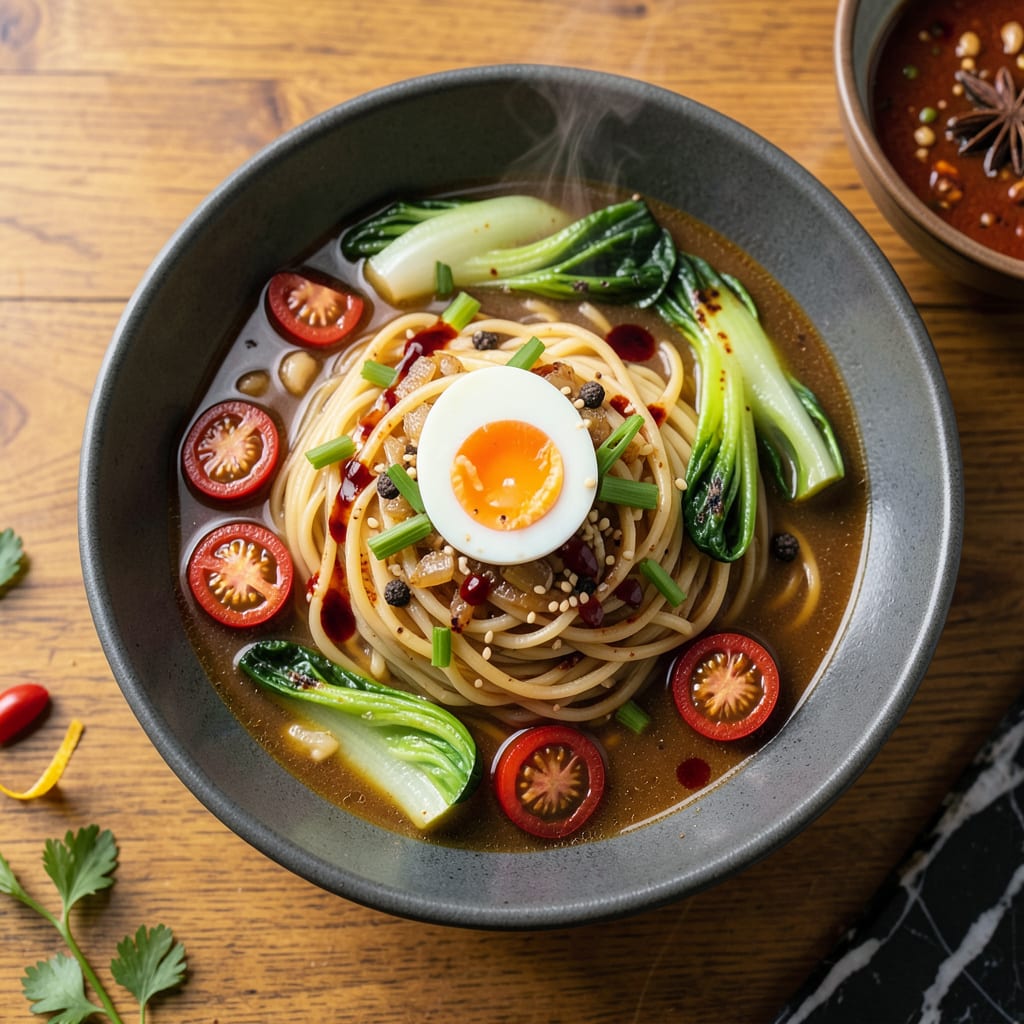
Nothing ruins a perfect bowl of soup faster than mushy, overcooked noodles. I’ve lost count of how many batches of chicken noodle soup I’ve watched turn from comforting to disappointing because the pasta absorbed every last drop of broth. The fix is simpler than you think—it all comes down to timing and technique.
Here’s the thing—noodles keep cooking even after you’ve turned off the heat. That’s why most home cooks end up with soggy results. The solution isn’t fancy equipment or special ingredients, just understanding how starch and moisture interact. Whether you’re making ramen, pho, or classic chicken noodle, one foolproof method works every time.
I’ve tested this technique in my own kitchen through countless failed attempts and one too many sad lunches. The secret lies in treating your noodles like they’re part of a carefully choreographed dance—get the timing wrong, and everything falls apart. But nail this one step, and you’ll have perfect texture in every spoonful.
What you’ll learn here isn’t just theory—it’s the exact method I use when cooking for my family or prepping soup for BBQ competitions. No more wasted ingredients, no more disappointing leftovers. Just consistently great results that’ll make your soups the star of any meal.
📚 In This Guide
- What You’ll Need
- Instructions
- Tips and Common Mistakes
What Youll Need
- ● Fresh or dried noodles – 8 oz (225g) per 4 servings (egg noodles, ramen, udon, or rice noodles work best).
- ● Large pot – 5-6 quarts for boiling noodles separately (stainless steel or enamel-coated).
- ● Slotted spoon or spider strainer – To lift noodles without breaking them.
- ○ Colander – For draining (optional if using a strainer).
- ● Soup broth – 6-8 cups (homemade or store-bought, heated separately).
- ● Bowls or deep plates – Pre-warmed for serving (ceramic or insulated to retain heat).
- ● Timer – A kitchen timer or smartphone to track cooking time precisely. ⏰
- ○ Tongs – For tossing noodles in oil (optional but helpful).
- ○ Neutral oil – 1 tsp (like avocado or grapeseed oil) to coat noodles post-boiling (optional but recommended).
- ○ Ice water bath – Large bowl + ice cubes (optional, for shocking noodles if prepping ahead).
Instructions for Perfectly Firm Noodles in Soup
Here’s the simple method I use to keep noodles al dente—no more mushy disappointments.
Cook the Noodles Separately
Start by boiling your noodles in a separate pot of salted water, just as you would for any pasta dish. Use plenty of water—at least 4 quarts for every 1 pound of noodles—to prevent sticking and ensure even cooking. The water should be at a full, rolling boil before adding the noodles.
Cook the noodles for 1-2 minutes less than the package instructions suggest. You want them slightly underdone since they’ll continue cooking when added to the hot soup. I always taste-test a noodle to check for doneness—it should be tender but still have a slight bite in the center.
Rinse and Shock the Noodles
As soon as the noodles reach your desired texture, drain them immediately in a colander. Then, rinse them under cold running water for about 30 seconds to stop the cooking process. This step is crucial—it removes excess starch that can make noodles gummy and prevents them from continuing to cook in their own heat.
For an extra insurance policy against sogginess, I like to give the noodles a quick ice water bath after rinsing. Just fill a large bowl with ice and water, add the drained noodles, and swirl them around for 10-15 seconds. This shock treatment sets the noodles’ texture and removes any residual heat.
Store Noodles Separately Until Serving
After shocking, drain the noodles thoroughly and toss them with a small amount of neutral oil (like vegetable or canola) to prevent sticking. Portion the noodles into individual serving bowls or a separate container. This separation is the key to maintaining perfect texture—keeping noodles and broth apart until the very last moment prevents them from absorbing too much liquid.
If you’re meal prepping, store the cooked noodles in an airtight container in the refrigerator for up to 3 days. When ready to serve, simply reheat them briefly in boiling water for 20-30 seconds to refresh their texture before adding to your soup.
Assemble Bowls Just Before Serving
When you’re ready to serve, ladle your hot soup broth into bowls first. Then add your pre-cooked noodles to each serving individually. This method gives you complete control over the noodles’ exposure to liquid—they’ll soak up just enough broth to be flavorful while maintaining their ideal texture.
For the best experience, serve immediately after assembling. The noodles will gradually soften as they sit in the hot broth, but starting with properly cooked, shocked noodles gives you a much longer window of perfect texture—typically 10-15 minutes before they begin to soften noticeably.
Adjust for Different Noodle Types
Keep in mind that different noodles require slightly different handling. For egg noodles, which are more delicate, reduce the initial cooking time by an additional 30 seconds and be especially gentle when rinsing. Rice noodles should be rinsed in cold water immediately after soaking to remove excess starch that can make them gummy.
For whole wheat or gluten-free noodles, you might need to extend the initial cooking time slightly since these often take longer to soften. Always taste-test to determine doneness, and remember that these varieties may absorb liquid more quickly once in the soup, so serve them promptly after assembling your bowls.
Tips and Common Mistakes
After years of testing, I’ve found these key details make all the difference between perfect noodles and a mushy disappointment.
Timing Secret: Those 1-2 minutes less cooking time in Step 1 are everything. I learned the hard way that even 30 seconds over means soggy noodles later. Taste-test aggressively—you want that slight resistance in the center. It’ll finish perfectly in the hot broth.
Temperature Matters: The 30-second cold rinse in Step 2 isn’t just for show. I use the coldest water possible straight from the tap, and I swirl the colander constantly. This immediately stops cooking and washes away the starch that turns noodles gummy. Don’t skip it.
Make-Ahead Move: When storing cooked noodles for up to 3 days as mentioned in Step 3, here’s what nobody tells you—toss them with oil while still slightly warm. The oil coats better this way, preventing that dreaded refrigerator clump. I use about 1 teaspoon per pound of noodles.
Serving Strategy: That 10-15 minute window in Step 4 is your golden opportunity. I set a timer when I assemble bowls, and if someone’s running late, I keep their noodles separate until the last possible second. The broth stays hot in the bowl while the noodles wait in their own container.
Pro Tips for Keep Noodles From Getting Soggy In Soup
- After years of testing, I’ve found these key details make all the difference between perfect noodles and a mushy disa…
- Timing Secret: Those 1-2 minutes less cooking time in Step 1 are everything. I learned the hard way that even 30 seco…
- Temperature Matters: The 30-second cold rinse in Step 2 isn’t just for show. I use the coldest water possible straigh…
Frequently Asked Questions
Can I add uncooked noodles directly to soup?
Nope! Uncooked noodles absorb too much broth, turning mushy. Always par-cook them (1-2 minutes less than package instructions), then add to hot soup to finish. This keeps them firm while soaking up flavor.
How long can I store soup with noodles before they get soggy?
Max 2-3 days in the fridge. For longer storage, keep noodles and broth separate—combine only when reheating. Freezing? Skip the noodles entirely; add fresh ones later. Opt for denser, low-starch noodles like: Two likely culprits: Can I fix already-soggy noodles in soup? Tricky, but try this hack: Scoop out noodles, rinse with hot water, then pan-fry with a little oil for 2-3 minutes to crisp slightly. Not perfect, but better than mush!What’s the best noodle type for soup that won’t get soggy?
Avoid instant ramen or thin wheat noodles—they turn to mush fastest.
Why do my noodles get soggy even when I cook them separately?
Say goodbye to mushy noodles for good! The secret lies in timing, prep, and a few clever tricks—like cooking noodles separately or using oil to create a protective barrier. With these simple techniques, you’ll enjoy perfectly al dente noodles in every bowl, no matter how long your soup sits.
Ready to put your new skills to the test? Pick your favorite soup recipe and try these methods tonight. Your taste buds (and dinner guests) will thank you! 🍜✨

Trained in classic French technique but raised on slow-cooked ribs and spicy rubs, she blends culinary skill with smoke and soul.
- Recipe for Boneless Pork Chops in Cast Iron Skillet: Sear and Baste to Juicy Perfection - October 3, 2026
- Recipe for Boneless Cross Rib Roast: Slow-Roasted Beef with Herb Crust - October 3, 2026
- Hamburgers in Sauce Recipe Crock Pot: Slow-Cooked Savory Delight - October 3, 2026