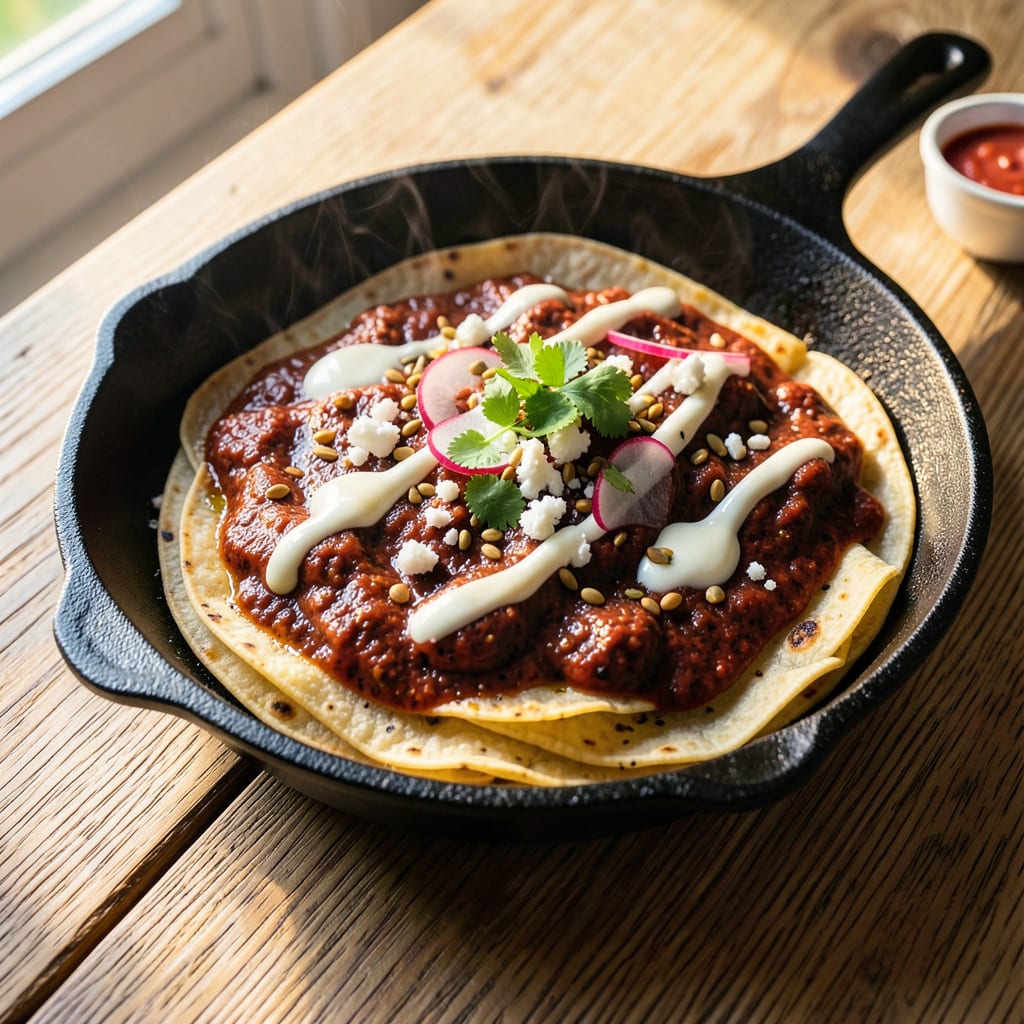
Let me be real with you—canned enchilada sauce is a solid shortcut, but it often falls flat with that metallic aftertaste and one-note flavor. After years of tweaking (and a few failed batches that tasted like tinny tomato soup), I’ve cracked the code to transforming it into something rich, complex, and downright crave-worthy. No fancy ingredients required.
The fix starts with blooming spices in a little oil before adding the sauce. A quick sauté of garlic, cumin, and smoked paprika wakes up the flavors and eliminates that canned taste. Then, a splash of chicken broth (or veggie broth for a vegetarian version) thins it just enough while adding depth. It’s the kind of trick that makes people ask, “Wait, this isn’t homemade?”
Next, balance is key. A squeeze of lime juice brightens the sauce, while a teaspoon of soy sauce (trust me) adds umami without tasting “Asian.” Simmer it for 10 minutes, and suddenly, that thin, sad sauce becomes velvety and layered. Even better? It takes less time than waiting for delivery.
This isn’t about masking flaws—it’s about unlocking what the sauce could be. Whether you’re dousing enchiladas, smothering burritos, or just dipping chips, the upgrade is undeniable. Let’s get that sauce singing.
📚 In This Guide
- What You’ll Need
- Instructions
- Tips and Common Mistakes
What Youll Need
- ● 1 can (10–15 oz) store-bought enchilada sauce – Any brand works, but red or green varieties need different tweaks!
- ● 1–2 tbsp cooking oil or fat – Olive oil, avocado oil, or even bacon grease for extra richness 🥓
- ● 1 small onion (½ cup diced) – Yellow or white for sweetness, red for a tangy kick.
- ● 2–3 garlic cloves (minced) – Fresh is best, but ½ tsp garlic powder works in a pinch.
- ● 1–2 tbsp tomato paste – Deepens color and umami (skip for green sauce).
- ● ½–1 tsp ground cumin – Toast it first for next-level aroma! ✨
- ● ½ tsp dried oregano – Mexican oregano if you’ve got it.
- ○ ¼–½ tsp smoked paprika – Optional but adds smoky depth (or use a pinch of chipotle powder).
- ● Salt & black pepper – To taste (start with ¼ tsp salt).
- ● ½ cup broth or water – Chicken, veggie, or even beef broth for richness.
- ● 1 tbsp apple cider vinegar or lime juice – Brightens flavors (lemon works too!).
- ○ 1 tsp sugar or honey – Balances acidity (optional but helpful).
- ● Medium saucepan – Nonstick or stainless steel.
- ● Wooden spoon or spatula – For stirring and scraping up fond.
- ○ Blender or immersion blender – Optional, for ultra-smooth texture.
- ○ Fine-mesh strainer – If you dislike onion/garlic bits (optional).
- ● 1–2 tbsp adobo sauce (from canned chipotles) – For heat + smokiness.
- ● 1 tbsp nut butter (peanut or almond) – Adds creaminess (trust us!).
- ● 2 tbsp heavy cream or coconut milk – For a velvety finish.
- ● Fresh cilantro or green onions – Garnish for freshness.
Instructions
Transforming store-bought sauce into something extraordinary takes just a few simple but strategic steps.
Bloom Your Spices for Maximum Flavor
Start by heating 1 tablespoon of neutral oil in a medium saucepan over medium heat. When the oil shimmers, add 1 teaspoon ground cumin, ½ teaspoon smoked paprika, and ¼ teaspoon Mexican oregano. Toast the spices for 30-45 seconds, stirring constantly, until they become fragrant.
This blooming process awakens the essential oils in the spices, creating a more complex, aromatic foundation. You’ll notice the kitchen filling with warm, earthy scents—that’s your signal the spices are ready. Be careful not to let them burn, which would introduce bitterness rather than depth.
Create a Flavorful Base with Aromatics
Immediately add ¼ cup finely diced white onion and 2 minced garlic cloves to the toasted spices. Cook over medium-low heat for 4-5 minutes, stirring occasionally, until the onions become translucent and the garlic softens without browning.
The onions should release their natural sweetness while the garlic mellows into the background. This aromatic base provides the savory backbone that canned sauces often lack. If the mixture starts to stick, add a splash of water to deglaze the pan—those browned bits contain concentrated flavor.
Enhance with Umami Boosters
Stir in 1 tablespoon tomato paste and ½ teaspoon better-than-bouillon chicken base (or 1 teaspoon soy sauce for vegetarian versions). Cook for 1-2 minutes, allowing the tomato paste to caramelize slightly and deepen in color.
These umami-rich ingredients create a savory complexity that mimics slow-cooked restaurant sauces. The tomato paste adds body and richness while the bouillon or soy sauce contributes that elusive “meaty” depth. You’ll see the mixture darken and develop a glossy sheen—this transformation indicates the flavors are concentrating properly.
Simmer and Balance the Sauce
Pour in one 15-ounce can of enchilada sauce and ¼ cup low-sodium chicken broth. Bring to a gentle simmer over medium heat, then reduce to low and let it cook uncovered for 10-12 minutes, stirring occasionally.
The sauce should reduce slightly and develop a velvety texture. Taste and adjust the seasoning—this is where you balance the flavors. I typically add ½ teaspoon apple cider vinegar for brightness and ½ teaspoon light brown sugar to round out any harshness. The finished sauce should coat the back of a spoon and have a rich, well-rounded flavor profile.
Finish with Fresh Elements
Remove the sauce from heat and stir in 2 tablespoons chopped fresh cilantro and 1 teaspoon fresh lime juice. These final additions bring vibrant freshness that cuts through the richness and makes all the previous layers pop.
The cilantro adds herbal brightness while the lime juice provides that essential acidic balance. Let the sauce rest for 5 minutes before using to allow the flavors to meld completely. You’ll immediately notice how much more complex and restaurant-quality the sauce has become—deep, balanced, and utterly crave-worthy.
Tips and Common Mistakes
These strategic insights will help you avoid common pitfalls and maximize flavor development in every step.
Heat Control in Step 1: The 30-45 seconds for toasting spices over medium heat is critical. Watch for the moment the spices release their aroma, not when they start to smoke. I’ve found that cumin burns faster than paprika, so stir constantly and remove from heat immediately if you detect any bitter smell. This short window creates depth without bitterness.
Aromatic Development in Step 2: During the 4-5 minutes of cooking onions and garlic over medium-low heat, resist the urge to rush. The onions should become translucent but not browned. If they start to stick, add a splash of water to deglaze – those caramelized bits are flavor gold. I learned this technique from French cooking that transforms simple ingredients into complex foundations.
Umami Layering in Step 3: When cooking the tomato paste and bouillon for 1-2 minutes, look for the color to deepen from bright red to brick red. This caramelization creates the meaty richness that makes restaurant sauces so satisfying. I always use a wooden spoon to press the paste against the pan’s hot surface, accelerating this transformation without burning.
Simmering Technique in Step 4: The 10-12 minute simmer on low heat is where everything comes together. Maintain a gentle simmer where small bubbles occasionally break the surface. If it boils vigorously, reduce heat slightly – you want gradual reduction, not rapid evaporation. I judge doneness by how the sauce coats the back of a spoon, leaving a clean trail when I run my finger through it.
Pro Tips for Make Canned Enchilada Sauce Better
- These strategic insights will help you avoid common pitfalls and maximize flavor development in every step.
- Heat Control in Step 1: The 30-45 seconds for toasting spices over medium heat is critical. Watch for the moment the …
- Aromatic Development in Step 2: During the 4-5 minutes of cooking onions and garlic over medium-low heat, resist the …
Frequently Asked Questions
Can I use these upgrades if I’m making enchiladas ahead of time?
Enhanced canned sauce actually holds up better when prepped ahead—flavors meld deeper over time. Just assemble your enchiladas as usual, then refrigerate (up to 2 days) or freeze (up to 3 months). Reheat covered at 350°F until bubbly (20-30 mins). Pro tip: Add a splash of broth when reheating if the sauce thickens too much!
What’s the fastest way to improve canned enchilada sauce?
Got 5 minutes? Sauté 1 minced garlic clove + ½ tsp cumin in 1 tbsp oil, then stir in the canned sauce + 2 tbsp tomato paste. Simmer 3-4 mins. This instantly boosts depth. For extra richness, whisk in 1 tbsp sour cream or lime juice off-heat. No broth? No problem! Use one of these:
Bitterness often comes from over-toasting spices or using old chili powder. Fix it with:
Yes! For silky texture without dairy, blend in:
Can I substitute something if I don’t have chicken broth?
Avoid plain water—it’ll dilute flavor instead of enhancing it.
Why does my upgraded sauce taste bitter or too spicy?
For heat, stir in dairy (sour cream, cheese) or starchy tortillas to absorb spice.
Is there a dairy-free way to make the sauce creamier?
Bonus: These add-ons also boost protein!
With just a few simple tweaks, that basic canned enchilada sauce can transform into a rich, complex masterpiece worthy of your favorite taqueria! 🌮 Whether you deepened the flavor with toasted spices, balanced it with acidity, or layered in umami-rich ingredients, the secret is in the personal touch.
Now that you’ve unlocked the potential of store-bought sauce, why not put it to the test? Whip up a batch of enchiladas tonight—or try it as a taco drizzle, nacho topping, or even a braising sauce for meats. The kitchen’s your playground—get creative! 🍴

Trained in classic French technique but raised on slow-cooked ribs and spicy rubs, she blends culinary skill with smoke and soul.
- Recipe for Boneless Pork Chops in Cast Iron Skillet: Sear and Baste to Juicy Perfection - October 3, 2026
- Recipe for Boneless Cross Rib Roast: Slow-Roasted Beef with Herb Crust - October 3, 2026
- Hamburgers in Sauce Recipe Crock Pot: Slow-Cooked Savory Delight - October 3, 2026