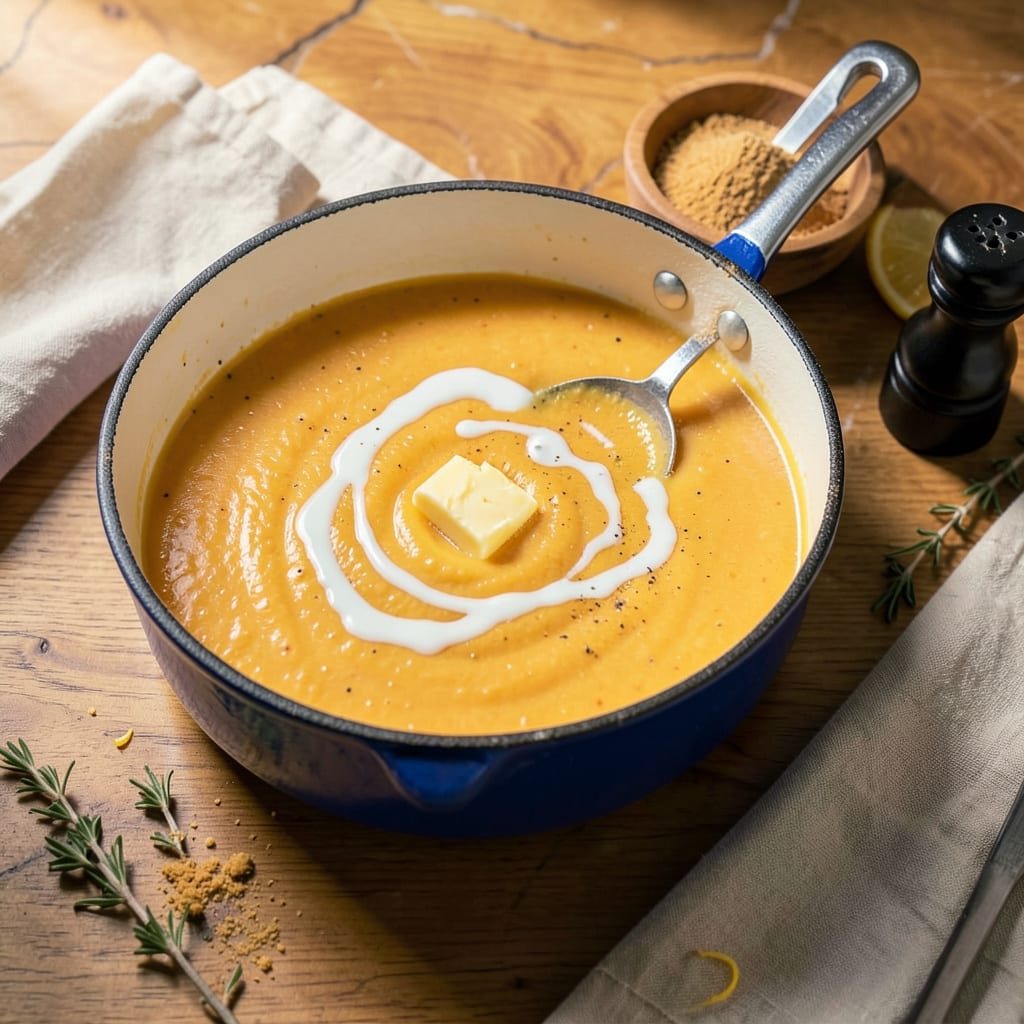
I’ll be real with you—cheese powder isn’t just for boxed mac and cheese anymore. This ultra-smooth sauce method transforms that pantry staple into something seriously impressive. No grainy texture, no weird aftertaste, just pure creamy goodness every time. I stumbled onto this technique during a late-night snack emergency, and it’s been my go-to ever since.
The secret lies in the ratio: 2 tablespoons cheese powder to 1 cup liquid (milk works best for richness). A simple roux of butter and flour creates the perfect base to prevent clumping, while gentle heat ensures everything melts into velvety perfection. I’ve tested this with everything from nachos to broccoli, and it never fails to deliver that restaurant-quality creaminess.
What you’ll end up with is a sauce so smooth it’ll make you question why you ever bought the jarred stuff. It coats the back of a spoon beautifully, stays creamy when reheated, and works as a dip, topping, or base for your favorite comfort foods. The best part? You can tweak the thickness with a splash more milk or a cornstarch slurry if needed.
Store it in the fridge for up to 5 days, though honestly, it never lasts that long in my house. Whether you’re upgrading boxed mac or creating the ultimate cheese fries, this sauce is about to become your new kitchen MVP. Let’s get that pot on the stove!
📚 In This Guide
- What You’ll Need
- Instructions
- Tips and Common Mistakes
What Youll Need
- ● Cheese powder – 1 cup (about 4 oz / 115g) – the star of the show! Opt for high-quality cheddar or nacho cheese powder for the best flavor.
- ● Butter – 2 tbsp (unsalted preferred) – for a rich, creamy base.
- ● All-purpose flour – 2 tbsp – helps thicken the sauce smoothly.
- ● Milk – 1½ cups (whole milk works best for creaminess, but 2% is fine).
- ● Salt – ¼ tsp (adjust to taste).
- ○ Ground mustard – ½ tsp (optional but highly recommended for depth).
- ○ Garlic powder – ¼ tsp (optional, for extra zing).
- ○ Hot sauce or cayenne pepper – a dash (optional, for heat lovers).
- ● Medium saucepan (non-stick for easy cleanup).
- ● Whisk – essential for lump-free perfection! 🥄
- ● Measuring cups and spoons.
- ● Spatula (to scrape the sides).
- ○ Immersion blender (optional, for ultra-smooth texture).
Instructions
You’re about to make the creamiest, smoothest cheese sauce you’ve ever tasted—let’s get started!
Gather and Measure Your Ingredients
First things first, let’s get everything ready. You’ll need your cheese powder, butter, milk, and any additional seasonings you want to include. I always recommend measuring everything out before you start cooking—this makes the process so much smoother and prevents any last-minute scrambling.
Make sure your cheese powder is fresh and free of clumps. If you notice any lumps, sift it through a fine-mesh strainer to ensure a silky-smooth sauce. This small step makes a big difference in the final texture, so don’t skip it!
Melt the Butter and Create a Roux Base
In a medium saucepan, melt the butter over medium heat. You want it fully melted but not browned—just until it’s liquid and starts to foam slightly. This is your foundation, so keep an eye on it to avoid burning.
Once the butter is melted, sprinkle in your flour (if using) and whisk constantly for 1-2 minutes until the mixture turns a light golden color. This creates a simple roux that will help thicken your sauce. You’ll know it’s ready when it smells slightly nutty and looks smooth.
Gradually Add Milk for a Silky Texture
Now, slowly pour in the milk while whisking continuously. This is the secret to a lump-free sauce! Start with just a small amount of milk to create a paste with the roux, then gradually add the rest. Keep whisking until the mixture is completely smooth and begins to thicken.
You’re looking for the sauce to coat the back of a spoon—this usually takes about 5-7 minutes over medium heat. Be patient and keep stirring. If the sauce seems too thick, you can add a splash more milk to reach your desired consistency.
Incorporate the Cheese Powder for Maximum Creaminess
Reduce the heat to low and gradually sprinkle in the cheese powder, whisking constantly. This is where the magic happens! The powder will dissolve into the warm milk mixture, creating that ultra-smooth, creamy texture we’re after.
Continue whisking for 2-3 minutes until the sauce is completely smooth and all the powder is fully incorporated. Taste and adjust the seasoning if needed—I sometimes add a pinch of salt or a dash of hot sauce for extra flavor. The sauce should be velvety and rich, with no graininess at all.
Serve Immediately or Keep Warm
Your cheese sauce is now ready to enjoy! For the best texture, serve it immediately while it’s still warm and creamy. If you need to keep it warm for a little while, transfer it to a heatproof bowl and place it over a pot of simmering water (double boiler method).
Stir occasionally to prevent a skin from forming on top. This sauce is incredibly versatile—drizzle it over nachos, mix it into mac and cheese, or use it as a dip for veggies or pretzels. However you serve it, you’re in for a treat!
Tips and Common Mistakes
You’re so close to the creamiest cheese sauce of your life—let me share the game-changing details that make all the difference.
The Heat Factor: When melting butter in Step 2, keep that medium heat steady and watch like a hawk. Butter can go from perfectly melted to browned in seconds, and browned butter will give your sauce an unintended nutty flavor. You want it just liquid with tiny bubbles—no color change. This creates the perfect base for your roux to develop properly during those critical 1-2 minutes of whisking.
Whisking Technique: In Step 3, when adding milk, here’s what nobody tells you—pour it in a thin, steady stream while whisking in a figure-eight motion. This isn’t just stirring; you’re creating a vortex that incorporates air for extra creaminess. The 5-7 minutes of thickening time is when the sauce transforms from milky to velvety, so don’t rush it. You’ll know it’s ready when your whisk leaves trails in the sauce that hold their shape for a second.
Cheese Powder Secret: For Step 4, reduce to low heat before adding cheese powder—this prevents clumping and ensures ultra-smooth results. Sprinkle the powder in slowly like you’re seasoning a steak, not dumping it all at once. Those 2-3 minutes of constant whisking are when the powder fully hydrates and melts into the sauce. If you see any tiny lumps, keep whisking; they’ll dissolve with patience.
Serving Pro Tip: The sauce is at its absolute peak right after making—creamy, glossy, and perfectly pourable. If you need to hold it, use that double boiler method mentioned in Step 5, but don’t let it sit more than 30 minutes. The cheese powder can start to separate if kept warm too long, so plan to serve immediately for that just-made texture we’re after.
Pro Tips for Make Cheese Sauce Using Cheese Powder
- You’re so close to the creamiest cheese sauce of your life—let me share the game-changing details that make all the d…
- The Heat Factor: When melting butter in Step 2, keep that medium heat steady and watch like a hawk. Butter can go fro…
- Whisking Technique: In Step 3, when adding milk, here’s what nobody tells you—pour it in a thin, steady stream while …
Frequently Asked Questions
Can I use any type of milk for cheese sauce with powdered cheese?
Yes! Whole milk gives the creamiest results, but 2%, skim, or even unsweetened almond/cashew milk work in a pinch. Just note: lower-fat milks may create a slightly thinner sauce, so whisk in an extra ½ tsp cornstarch if needed for thickness.
How long does homemade cheese sauce last in the fridge?
Store it in an airtight container for 3–5 days. Reheat gently on the stove with a splash of milk, stirring constantly to prevent clumping. Avoid microwaving—it can make the sauce grainy!
My sauce turned out lumpy—how do I fix it?
No stress! Whisk in 1–2 tbsp warm milk off-heat until smooth, or blend briefly with an immersion blender. If it’s super clumpy, strain it through a fine-mesh sieve while warm.
Can I make cheese sauce without butter?
Swap butter for olive oil, margarine, or even mayo (½ tbsp per 1 tbsp butter). For a lighter option, use 1 tsp cornstarch + 1 tbsp water as a thickener instead.
What’s the best cheese powder substitute if I don’t have any?
Mix 1 cup shredded cheddar + 1 tbsp cornstarch (blended into a fine powder) for a DIY version. Pro tip: American cheese melts smoother than cheddar if you’re in a hurry!
With just a few pantry staples and cheese powder, you’ve got the secret to rich, velvety cheese sauce in minutes! 🧀✨ Whether you’re drizzling it over nachos, mac and cheese, or veggies, this foolproof method delivers consistent, lump-free results every time. No fancy skills required—just stir, taste, and enjoy!
Ready to take it further? Try experimenting with spices (like smoked paprika or garlic powder) or swapping the liquid base for a fun twist. And if you loved this hack, check out our 5 creative ways to use cheese sauce next! 👩🍳💛

Trained in classic French technique but raised on slow-cooked ribs and spicy rubs, she blends culinary skill with smoke and soul.
- Recipe for Boneless Pork Chops in Cast Iron Skillet: Sear and Baste to Juicy Perfection - October 3, 2026
- Recipe for Boneless Cross Rib Roast: Slow-Roasted Beef with Herb Crust - October 3, 2026
- Hamburgers in Sauce Recipe Crock Pot: Slow-Cooked Savory Delight - October 3, 2026