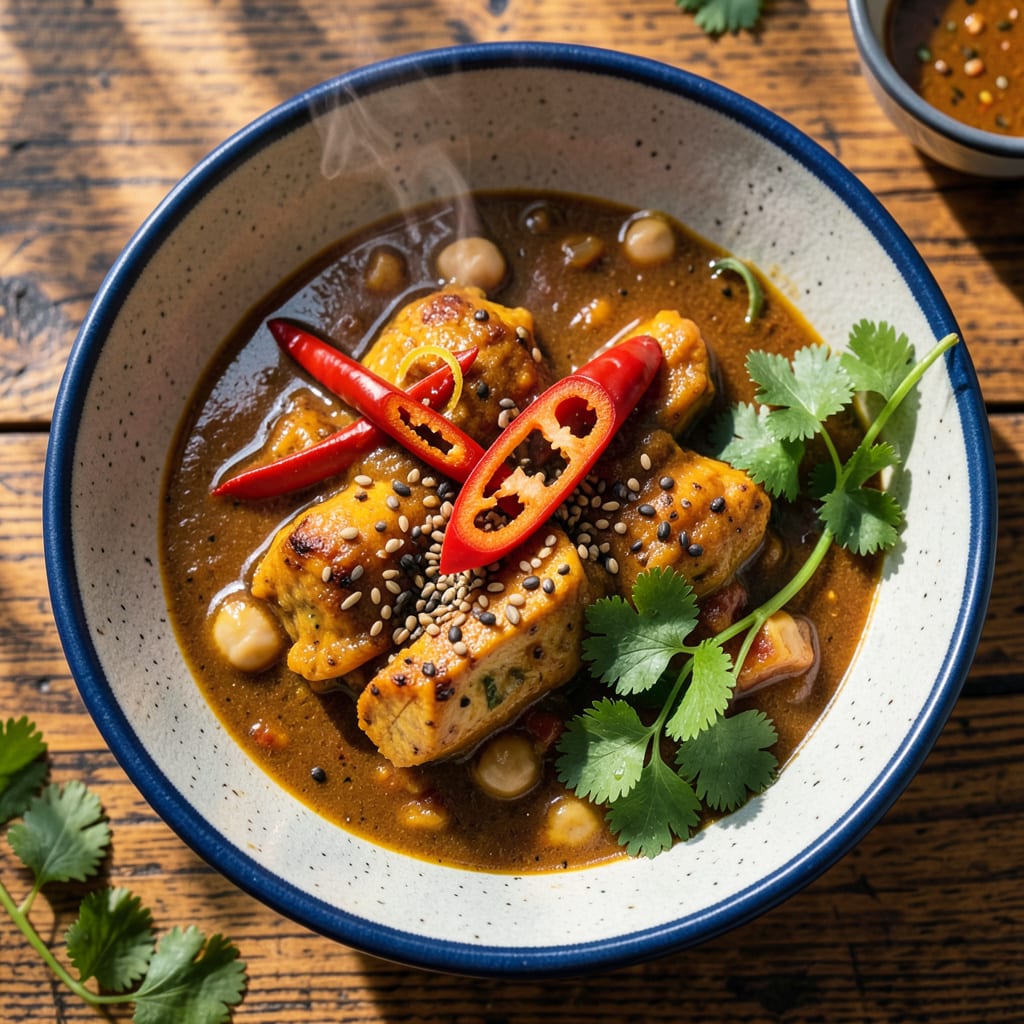
I’ve been chasing the perfect balance of heat in curry since my first backyard cookout where my uncle dared me to try his famous “fire-breathing” lamb curry. Let me tell you—there’s a world of difference between heat that burns and heat that builds flavor. These techniques aren’t about overwhelming your taste buds; they’re about creating depth and complexity that makes every bite exciting.
The secret starts with understanding when to add your heat sources. Fresh chilis added early develop a deeper, fruitier heat, while dried chili powders or flakes added late deliver immediate, sharp spiciness. I always keep a stash of different heat boosters—from smoky chipotles to fiery bird’s eye chilis—so I can adjust the flavor profile as I cook.
But here’s the thing—more heat doesn’t always mean more chili. Sometimes the answer lies in unexpected ingredients like black pepper (which contains piperine, a compound that enhances heat perception) or mustard oil (which adds both heat and aroma). A splash of vinegar or squeeze of lime at the end can actually make the curry taste spicier by cutting through richness and letting the heat shine.
Remember, building heat is like building a fire—you want steady, controlled flames, not an uncontrolled blaze. Start small, taste often, and layer your heat sources throughout the cooking process. That way, you’ll end up with a curry that’s intensely flavorful, not just painfully hot.
📚 In This Guide
- What You’ll Need
- Instructions
- Tips and Common Mistakes
What Youll Need
- ● Base curry ingredients: Your existing curry (about 2–4 cups, homemade or store-bought).
- ● Heat-boosting spices (pick 1–3): Cayenne pepper (½–1 tsp for mild heat, 1–2 tbsp for fiery 🔥).
- ● Crushed red pepper flakes (1–2 tsp, adjust to taste).
- ● Fresh or dried chilies (1–2 Thai bird’s eye or habanero for serious heat).
- ● Gochujang (1–2 tbsp, Korean fermented chili paste for depth + spice).
- ○ Fresh aromatics (optional but recommended): Garlic (2–3 cloves, minced).
- ● Ginger (1-inch knob, grated).
- ● Onion (½ cup, finely chopped).
- ● Tools: Medium saucepan or deep skillet (for even heating).
- ● Wooden spoon (to stir without scratching).
- ● Blender or mortar & pestle (if using whole chilies).
- ● Tasting spoon (because bold flavors need testing!).
- ● Safety gear (for extreme heat): Kitchen gloves (handling habaneros? Trust us.).
- ● Ventilation or open window (to avoid coughing fits 😷).
Instructions for Making Your Curry Spicier
Here’s exactly how to turn up the heat while keeping all those delicious flavors balanced.
Start with Fresh Chili Peppers
Fresh chilies are your first line of defense for authentic heat. I recommend starting with 1-2 Thai bird’s eye chilies or 1 habanero pepper for serious heat. Remove the stems and slice them finely—seeds in for maximum spice, seeds out for milder heat.
Add these to your curry base when you’re sautéing the aromatics. The heat from the oil will help extract their capsaicin (that’s the compound that makes peppers hot). Let them cook for 2-3 minutes until they soften and release their flavor. You’ll notice the kitchen air getting spicier—that’s how you know it’s working.
Real talk: if you’re sensitive to spice, wear gloves when handling these peppers. I’ve made the mistake of touching my eyes after chopping habaneros, and it’s not an experience I recommend repeating.
Bloom Your Spices Properly
Many home cooks underestimate how much difference proper spice blooming makes. Start with 1 teaspoon ground cayenne or ½ teaspoon ground ghost pepper if you want serious heat. Add these to your oil before any other ingredients—this is crucial.
Cook the spices over medium heat for 30-45 seconds until they become fragrant but haven’t started to burn. You’re looking for that moment when the kitchen fills with that warm, spicy aroma. This blooming process activates the essential oils in the spices, making them significantly more potent.
The key here is constant stirring—spices can go from perfectly toasted to bitter and burnt in seconds. I like to remove the pan from heat for a few seconds if things are getting too hot. Your nose will tell you when they’re ready.
Layer Heat Throughout Cooking
Don’t just add all your heat elements at once. Start with the chili peppers and bloomed spices, then build from there. About 10 minutes before your curry finishes cooking, stir in 1 tablespoon of hot sauce (I prefer a vinegar-based sauce like Tabasco for brightness).
For the final 5 minutes, add 1 teaspoon of freshly ground black pepper. The peppercorns contain piperine, which actually enhances the perception of capsaicin’s heat. This layered approach creates a more complex, multidimensional spiciness rather than just a one-note burn.
Here’s the thing—taste as you go. The heat level will intensify as the curry simmers, so it’s better to add gradually than to overshoot and make it inedible. Remember you can always add more heat, but you can’t take it away.
Finish with Fresh Heat Elements
Right before serving, stir in 1 tablespoon of freshly chopped cilantro stems (they’re spicier than the leaves) and 1 teaspoon of lime zest. These fresh elements brighten the heat and make it more vibrant. The citrus oils in the lime zest actually help distribute the capsaicin more evenly throughout the dish.
For an extra kick, prepare a spicy garnish of thinly sliced fresh chilies and lime wedges. Let everyone add these to their own bowl—this way people can control their individual heat level. I also like to set out a small bowl of chili flakes for those who want to push their limits.
The fresh elements at the end make the heat feel more intentional and balanced rather than just overwhelming. This is where restaurant-quality curries really shine—they have that perfect balance of heat and brightness.
Balance the Heat with Richness
Here’s what I’ve learned: the spiciest curries always have a rich, creamy base to balance the heat. As your curry cooks, stir in ¼ cup of coconut cream or 2 tablespoons of plain yogurt during the last 10 minutes of cooking. The fat in these ingredients helps mellow the burn while letting the flavor shine through.
A squeeze of fresh lime juice right at the end adds acidity that cuts through the richness and makes the heat more pleasant. I aim for about 1 tablespoon per serving, but taste as you go. The acid also helps brighten all the flavors, not just the spice.
Remember that heat should enhance the eating experience, not overwhelm it. The best spicy curries make you want to keep eating, not reach for a glass of milk after every bite. That balance between heat and richness is what makes a truly great spicy curry.
Tips and Common Mistakes
Building serious heat in your curry is all about technique—not just throwing in more chili powder. Here’s what I’ve learned from years of perfecting spicy dishes.
The Heat Foundation: In Step 1, those 2-3 minutes of cooking fresh chilies are critical. The capsaicin needs time to infuse into the oil, which then carries the heat throughout your dish. If you rush this step, you’ll get uneven spice distribution. I always cover the pan briefly during this time to trap the volatile compounds—just be careful not to inhale when you lift the lid!
Spice Blooming Technique: When blooming spices in Step 2 over medium heat, here’s what nobody tells you—stir in tiny circular motions to create a whirlpool effect. This ensures every grain of cayenne or ghost pepper gets equal heat exposure during those 30-45 seconds. The moment you smell the spices (not see smoke!), they’re ready. Burnt spices taste bitter and can ruin your curry’s flavor balance.
Layering Strategy: The timing in Step 3 isn’t arbitrary—adding hot sauce 10 minutes before finishing lets the vinegar mellow while the black pepper added at 5 minutes provides immediate aromatic heat. I’ve found that vinegar-based sauces like Tabasco integrate better than oil-based ones, which can separate in the curry. Taste after each addition; the heat will intensify as it simmers.
Fresh Element Timing: Those final touches in Step 4 with cilantro stems and lime zest aren’t just garnishes—they’re flavor amplifiers. The citrus oils in the zest actually help distribute the capsaicin more evenly, making the heat feel more balanced. Add them right before serving to preserve their bright, fresh qualities that cut through the richness.
Pro Tips for Make Curry Spicier
- Building serious heat in your curry is all about technique—not just throwing in more chili powder. Here’s what I’ve l…
- The Heat Foundation: In Step 1, those 2-3 minutes of cooking fresh chilies are critical. The capsaicin needs time to …
- Spice Blooming Technique: When blooming spices in Step 2 over medium heat, here’s what nobody tells you—stir in tiny …
Frequently Asked Questions
Can I make curry spicier after it’s already cooked?
Stir in fresh chili paste, cayenne powder, or hot sauce (like sriracha) at the end. For deeper flavor, bloom extra spices in hot oil for 30 seconds, then mix into the curry. Taste as you go—heat builds quickly!
When’s the best time to add spices for maximum heat?
Timing matters! Toast whole spices (like cumin or mustard seeds) in oil first to release oils. Add ground chili powders early (with onions/garlic) to mellow slightly. Fresh chilies? Toss them in mid-cooking for balanced heat.
What if I don’t have fresh chilies? Are there good substitutes?
No problem! Swap in:
- Dried chili flakes (½ tsp = 1 fresh chili)
- Smoked paprika + cayenne (for depth + heat)
- Gochujang (Korean fermented paste—adds umami too!)
Why does my curry taste bitter after adding more spices?
Over-toasted spices or too much chili powder can turn bitter. Fix it by balancing with:
- A splash of coconut milk or yogurt
- A pinch of sugar or citrus juice
How do I make curry spicier without overpowering the flavor?
Layer heat strategically! Use:
- 1-2 whole dried chilies (remove before serving)
- Fresh ginger + black pepper (enhances heat perception)
- A tiny dash of vinegar (brightens flavors)
Now you’ve got the tools to turn up the heat in your curry—without sacrificing flavor! 🌶️ Whether you’re adding fresh chilies, toasting whole spices, or experimenting with fermented pastes, the key is to build heat gradually and taste as you go. Remember, the best curries balance bold spice with rich, layered flavors.
Ready to put these tips to the test? Pick one technique from the list and try it in your next batch—your taste buds (and dinner guests) will thank you! For extra inspiration, check out our guide on pairing spicy curries with cooling sides to keep the meal perfectly balanced.

Trained in classic French technique but raised on slow-cooked ribs and spicy rubs, she blends culinary skill with smoke and soul.
- Recipe for Boneless Pork Chops in Cast Iron Skillet: Sear and Baste to Juicy Perfection - October 3, 2026
- Recipe for Boneless Cross Rib Roast: Slow-Roasted Beef with Herb Crust - October 3, 2026
- Hamburgers in Sauce Recipe Crock Pot: Slow-Cooked Savory Delight - October 3, 2026