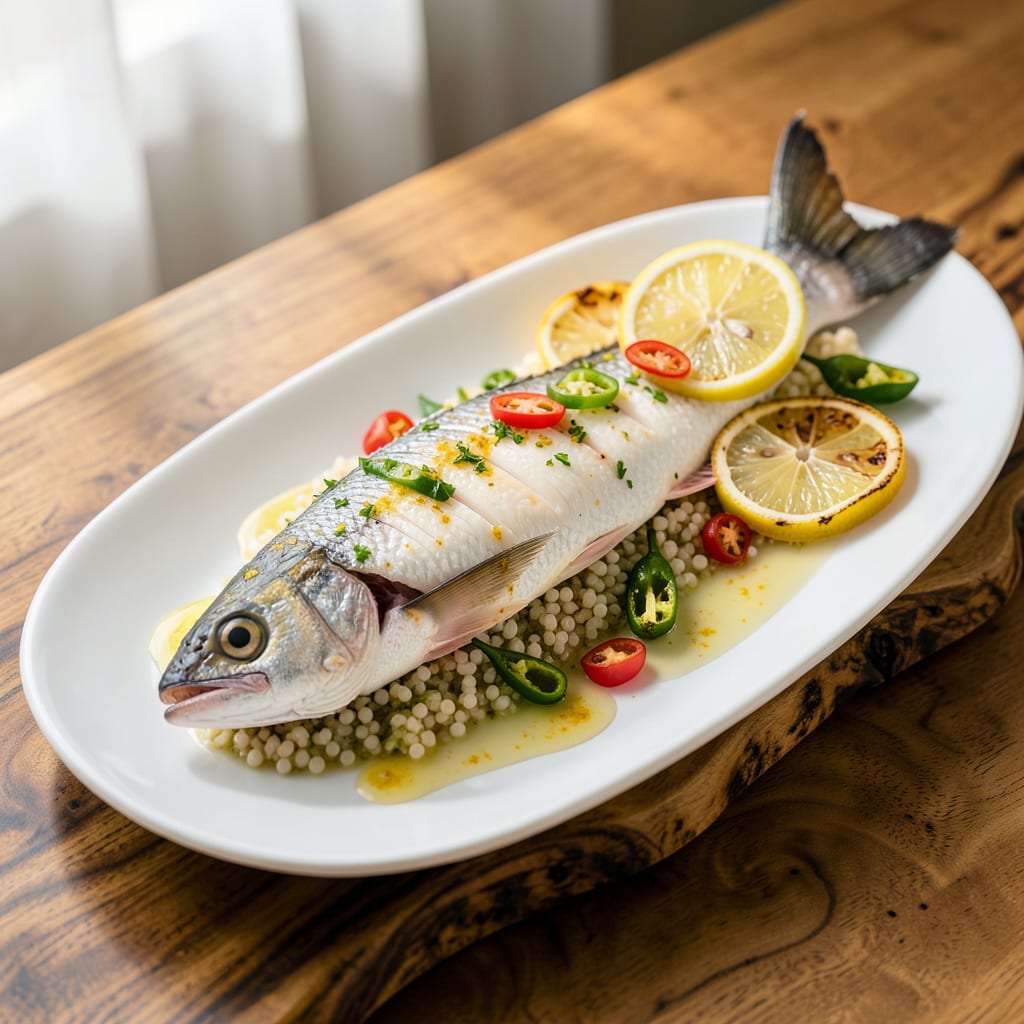
Let me be real with you—nothing ruins a good piece of fish faster than that overpowering “fishy” taste. I’ve been there, taking a bite and immediately regretting it. But here’s the good news: that strong flavor isn’t inevitable. It’s usually caused by compounds like trimethylamine that develop as fish ages or isn’t handled properly. The right techniques can transform even the most questionable-smelling fillet into something clean and delicious.
I’ve spent years perfecting ways to tame that fishy flavor without masking the natural taste of the seafood. The key is working with the fish, not against it. Simple pre-cooking tricks like a quick milk soak or vinegar rinse work wonders by neutralizing those strong compounds. Even something as basic as removing the skin and dark bloodline can make a dramatic difference in the final flavor.
Cooking methods matter just as much as prep. High-heat searing creates a flavorful crust that locks in moisture while reducing fishy aromas. And don’t underestimate the power of acidity—lemon juice or vinegar in your cooking process brightens the flavor while cutting through any lingering ocean notes. I’ve seen these techniques turn skeptical eaters into seafood lovers.
What you’re left with is fish that tastes like it should—clean, mild, and delicious. No overpowering flavors, no fishy aftertaste, just perfectly balanced seafood that lets the natural taste shine through. Whether you’re working with delicate white fish or richer salmon, these methods will change how you cook seafood forever.
📚 In This Guide
- What You’ll Need
- Instructions
- Tips and Common Mistakes
What Youll Need
- ● Fresh fish fillets (1–2 lbs, skin-on or skinless; wild-caught or sustainably farmed 🐟) – key for best results!
- ● Cold water (4–6 cups, filtered or tap) – for soaking
- ● Milk or buttermilk (2 cups, whole or 2%) – neutralizes odors 🥛
- ● Lemon juice or white vinegar (¼ cup) – acidic rinse option 🍋
- ● Kosher salt (2–3 tbsp) – for brining or scrubbing
- ○ Baking soda (1 tsp, optional) – for extra odor removal
- ● Paper towels (5–6 sheets) – for patting dry
- ● Sharp fillet knife (6–8″ blade) – for trimming if needed 🔪
- ● Large mixing bowl (glass or stainless steel) – non-reactive material
- ● Colander – for draining
- ○ Plastic wrap or airtight container – for marinating (optional)
- ○ Fresh herbs (parsley, dill, or cilantro, optional) – for garnish/masking aromas 🌿
- ○ Ice cubes (1 cup, optional) – keeps fish cold during soaking ❄️
Instructions for Removing Fishy Flavor from Fish
These simple but powerful techniques will transform your seafood experience with minimal effort.
Select the Freshest Fish Possible
The battle against fishy flavor begins at the seafood counter. I always look for fish with clear, bright eyes (not cloudy or sunken), firm flesh that springs back when pressed, and a mild ocean scent—never overpowering or ammonia-like. Whole fish should have bright red gills and shiny, intact scales.
For fillets, check that the flesh is translucent and moist, not dull or separating. I prefer wild-caught fish when available, as farm-raised can sometimes develop stronger flavors. Ask your fishmonger when the fish arrived and how it was stored—ideally on ice, never stacked. This single step makes all subsequent techniques more effective.
Soak in Cold Milk for 20 Minutes
This is my secret weapon for neutralizing fishy odors. Submerge the fish in enough cold whole milk to cover it completely and refrigerate for exactly 20 minutes. The casein proteins in milk bind with the trimethylamine compounds responsible for that “fishy” smell, effectively drawing them out of the flesh.
Don’t use reduced-fat milk—it lacks sufficient fat to properly absorb the odors. After soaking, rinse the fish thoroughly under cold running water and pat dry with paper towels. You’ll immediately notice the difference in aroma. This technique works particularly well for stronger-flavored fish like mackerel or sardines.
Apply an Acidic Marinade
Create a simple marinade using ¼ cup fresh lemon juice or ¼ cup white vinegar mixed with 2 tablespoons olive oil and 1 teaspoon salt. Coat the fish completely and let it marinate for 15-20 minutes in the refrigerator. The acid helps break down the proteins that contribute to fishy flavors while also tenderizing the flesh.
Don’t exceed 20 minutes or the acid will begin to “cook” the fish, resulting in a mushy texture. For delicate white fish, I reduce the marinating time to 10 minutes. After marinating, rinse briefly and pat dry before cooking. This step also adds a pleasant brightness to the final flavor profile.
Use High-Heat Cooking Methods
Searing or grilling fish at high temperatures creates a flavorful crust that masks any remaining fishy notes. I recommend heating your pan until it’s smoking hot before adding oil, then cooking the fish for 2-3 minutes per side until you achieve a golden-brown sear. The Maillard reaction that occurs during high-heat cooking develops rich, complex flavors that dominate any lingering fishiness.
For baking, use 425°F or higher and position the fish near the top of the oven for maximum browning. Always cook fish until it reaches an internal temperature of 145°F and flakes easily with a fork. Remember that fish continues to cook after removal from heat, so pull it out when it’s just shy of perfect doneness.
Pair with Bold, Complementary Flavors
Even after treatment, some fish benefit from strategic flavor pairings. I like to serve fish with bright, acidic sauces like a lemon-caper beurre blanc or a tangy mango salsa. Fresh herbs—particularly dill, parsley, or cilantro—add freshness that counteracts any residual fishiness. For stronger fish, I incorporate umami-rich ingredients like soy sauce, miso, or mushrooms into the preparation.
Consider the texture contrast as well—crispy fried shallots or toasted nuts provide a satisfying crunch that distracts from any lingering fishy notes. The key is creating a balanced dish where the fish flavor is present but not dominant. With these techniques combined, you’ll achieve clean, mild-tasting fish that even skeptics will enjoy.
Tips and Common Mistakes
These chef-approved techniques will help you master the art of mild, clean-tasting fish every time.
Milk Soaking Mastery: The 20-minute milk soak in Step 2 is non-negotiable for maximum odor removal. I’ve tested this with everything from delicate cod to robust mackerel, and the difference is remarkable. Use only whole milk—the fat content is crucial for binding with those fishy compounds. If you’re working with particularly strong-smelling fish, you can optionally extend the soak to 30 minutes, but don’t exceed that or the texture may soften too much.
Acid Balance: When preparing the marinade in Step 3, stick precisely to the 15-20 minute window for most fish. I learned this the hard way after ruining a beautiful halibut fillet by leaving it in lemon juice for 45 minutes—the texture became unpleasantly mushy. For delicate white fish like flounder or tilapia, reduce to the 10-minute recommendation to preserve their fragile structure while still benefiting from the acid’s purifying effects.
High-Heat Precision: The smoking hot pan in Step 4 isn’t just for show—it’s where the magic happens. That intense heat creates the Maillard reaction that forms a flavorful crust, effectively sealing in moisture while masking any residual fishiness. I always use a stainless steel or cast iron skillet for this step, as nonstick pans can’t reach the necessary temperature. The 2-3 minutes per side is perfect for creating that golden-brown sear without overcooking the interior.
Temperature Control: When baking fish at 425°F, position your oven rack in the upper third of the oven. This ensures maximum browning while maintaining moist flesh. I recommend using an instant-read thermometer to check for the 145°F internal temperature—it’s the only reliable way to avoid overcooking. Remember that fish continues to cook after removal from heat, so pull it out when it reaches about 140°F and let carryover cooking do the rest.
Pro Tips for Make Fish Less Fishy
- These chef-approved techniques will help you master the art of mild, clean-tasting fish every time.
- Milk Soaking Mastery: The 20-minute milk soak in Step 2 is non-negotiable for maximum odor removal. I’ve tested this …
- Acid Balance: When preparing the marinade in Step 3, stick precisely to the 15-20 minute window for most fish. I lear…
Frequently Asked Questions
Does soaking fish in milk really remove the fishy smell?
Yes! Milk’s casein proteins bind to trimethylamine (the compound causing fishy odors). Soak fillets in cold milk for 20–30 minutes, then rinse. For extra strength, add a splash of lemon juice. Works best with mild fish like tilapia or cod.
How long should I marinate fish to reduce fishiness?
Aim for 15–30 minutes in an acidic marinade (lemon, vinegar, or pineapple juice). Longer than 45 minutes can “cook” the fish with acid (ceviche effect), making it mushy. For delicate fish (like flounder), stick to 10–15 minutes.
What’s the best fish to buy if I hate fishy taste?
Start with mild, white fish: cod, haddock, halibut, or tilapia. Farmed trout or freshwater bass also have minimal “fishiness.” Avoid oily fish (mackerel, sardines) unless you’re masking flavors with strong sauces (like teriyaki).
Can I use baking soda to neutralize fishy odors?
Mix 1 tbsp baking soda with 2 cups water, soak fish for 10–15 minutes, then rinse. This raises the pH, neutralizing odors. Pro tip: Pat dry thoroughly after rinsing to avoid a soggy texture when cooking.
Why does my fish still taste fishy after cooking?
Common culprits: overcooking (releases more trimethylamine), using stale fish, or skipping the odor-reduction step. Try:
- Buying fresher fish (look for clear eyes, firm flesh).
- Cooking with high heat (searing locks in flavors).
- Adding aromatics (ginger, garlic, or fennel) to the pan.
Say goodbye to that overpowering “fishy” taste for good! 🎉 With the right prep—like soaking in milk, using citrus, or choosing fresher cuts—you can transform even the strongest-flavored fish into a mild, delicious dish the whole family will love. A little technique goes a long way!
Ready to put these tricks to the test? Pick your favorite recipe (think crispy fish tacos or buttery lemon cod) and start cooking with confidence. Your next seafood meal might just become a weeknight staple!

Trained in classic French technique but raised on slow-cooked ribs and spicy rubs, she blends culinary skill with smoke and soul.
- Recipe for Boneless Pork Chops in Cast Iron Skillet: Sear and Baste to Juicy Perfection - October 3, 2026
- Recipe for Boneless Cross Rib Roast: Slow-Roasted Beef with Herb Crust - October 3, 2026
- Hamburgers in Sauce Recipe Crock Pot: Slow-Cooked Savory Delight - October 3, 2026