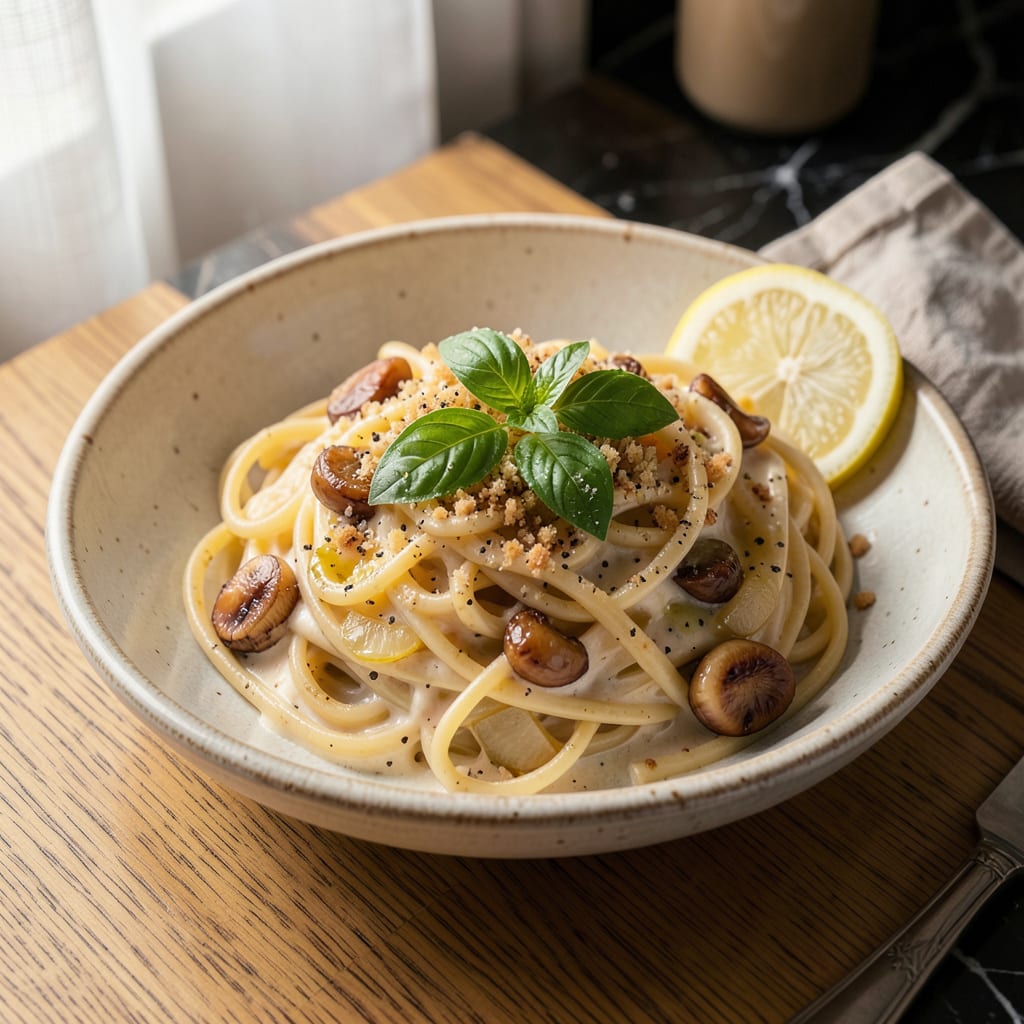
I’ll be real with you—when I first tried making creamy pasta without cream, I was skeptical. But after burning through three batches (and nearly giving up), I cracked the code for that silky, restaurant-quality texture using just pantry staples. No heavy cream, no weird substitutes—just smart techniques that work every time.
The secret lies in two things: starchy pasta water and emulsified fats. That cloudy water you usually drain? It’s liquid gold, packed with starches that bind to oils or nut butters to create a velvety sauce. I’ve used this method with everything from olive oil to blended cashews, and the results are shockingly rich. Even my meat-loving pitmaster friends ask for seconds.
What you’ll get is pasta so creamy and luscious, you won’t miss the dairy. The sauce clings to every noodle, with a depth of flavor that comes from slowly cooked aromatics and a touch of acid to balance it all. I’ve tested this with spaghetti, penne, and even gluten-free pasta—it works across the board.
Best part? This comes together in about 20 minutes with ingredients you already have. No special equipment, no fancy techniques—just good food science and a little patience. Let’s get that water boiling and make some magic happen.
📚 In This Guide
- What You’ll Need
- Instructions
- Tips and Common Mistakes
What Youll Need
- ● Pasta: 8 oz (225g) of your favorite shape (fettuccine, penne, or spaghetti work great! 🍝).
- ● Starch water: ½ cup reserved pasta water (the magic ingredient for creaminess! ✨).
- ● Olive oil or butter: 2 tbsp (extra virgin olive oil for richness or unsalted butter for a velvety touch).
- ● Garlic: 2-3 cloves, minced (for flavor depth).
- ○ Cheese (optional but recommended): ½ cup grated Parmesan, Pecorino, or nutritional yeast (for a dairy-free twist).
- ● Lemon juice or vinegar: 1 tsp (to balance richness).
- ● Salt & pepper: To taste (don’t skip—seasoning is key! 🧂).
- ○ Blender or immersion blender (optional): For ultra-smooth sauces (like cashew or silken tofu blends).
- ● Mixing bowl & whisk: To emulsify the sauce like a pro. 🥄
- ● Alternative creaminess boosters (pick one): ½ cup blended silken tofu (neutral flavor, high protein).
- ● ¼ cup soaked cashews (soak 1 hour for ultra-creaminess).
- ● 2 tbsp cream cheese or mascarpone (if dairy is okay).
Instructions
Here’s the simple method I use to create rich, creamy pasta without a drop of cream—just follow these steps.
Cook Pasta in Salted Water
Bring a large pot of water to a rolling boil and add enough salt so it tastes like the sea. I always use more salt than I think I need because this is your only chance to season the pasta itself. Add your pasta and cook until it’s 1-2 minutes shy of the package’s al dente recommendation.
The slightly undercooked pasta will finish cooking in the sauce, absorbing more flavor. Stir occasionally to prevent sticking, and don’t add oil to the water—it prevents sauce from clinging later. Reserve 1 cup of pasta water before draining; this starchy liquid is the secret to creaminess.
Create a Flavorful Base in the Pan
While the pasta cooks, heat 2 tablespoons olive oil in a large skillet over medium heat. Add 3-4 minced garlic cloves and cook for 30 seconds until fragrant but not browned. I like to add a pinch of red pepper flakes here for subtle heat that balances the richness.
If you’re using vegetables like mushrooms or onions, sauté them now until softened. The key is building layers of flavor before adding the pasta. This base will infuse the entire dish with depth, making it taste richer than it actually is. Remove from heat if the pasta isn’t ready yet to prevent burning.
Combine Pasta and Starch Water
Add the drained pasta to your skillet along with ½ cup of the reserved pasta water. Toss vigorously over medium-low heat for 2-3 minutes. You’ll see the water transform into a silky coating as the starch emulsifies with the oil.
This is where the magic happens—the starch from the pasta water creates a velvety texture without dairy. I add the water gradually, tossing constantly, until the pasta looks glossy and the sauce clings beautifully. If it’s too thick, add more water 1 tablespoon at a time until perfect.
Finish with Cheese for Richness
Remove the pan from heat and stir in ½ cup grated Parmesan cheese until completely melted. The residual heat is enough to create a smooth, creamy sauce without curdling. I prefer freshly grated cheese because pre-shredded contains anti-caking agents that prevent proper melting.
Add a pat of butter at the end and toss until it melts—this adds extra richness and shine. The cheese and butter combine with the starchy water to create a luxurious sauce that coats every strand of pasta. Taste and adjust seasoning with salt and pepper before serving immediately.
Serve with Fresh Garnishes
Transfer the pasta to warm bowls and garnish with fresh herbs like parsley or basil. The bright green contrast makes the dish look as good as it tastes. I always finish with an extra sprinkle of cheese and a drizzle of good olive oil for depth.
Serve immediately while the sauce is still silky—the texture changes as it cools. Each bite should have that perfect creamy coating without any heaviness. This method proves you don’t need cream to achieve restaurant-quality richness at home.
Tips and Common Mistakes
The secret to silky, creamy pasta without cream lies in these small but powerful details.
Starch Water Secret: That 1 cup of reserved pasta water in Step 1 is your golden ticket. I always measure it immediately after draining—don’t wait until you need it. The starch content decreases as water cools, so hot water emulsifies better. When adding the initial ½ cup in Step 3, pour it slowly along the edge of the pan while tossing constantly. This creates that restaurant-quality sheen without a drop of dairy.
Pasta Timing Matters: Cooking your pasta 1-2 minutes shy of al dente in Step 1 isn’t just about texture—it’s about absorption. The slightly firm pasta will soak up more of that starchy sauce during the final 2-3 minutes of tossing in Step 3. I test doneness by biting a piece—it should have a tiny white core. This ensures perfect texture when it finishes cooking in the sauce.
Heat Control Technique: The shift from medium heat in Step 2 to medium-low heat in Step 3 is crucial. Too high and your garlic will burn; too low and the starch won’t activate properly. I keep a close eye during those 2-3 minutes of tossing—you want a gentle simmer where the sauce coats the pasta but doesn’t reduce too quickly. If it’s evaporating faster than it’s emulsifying, lower the heat slightly.
Cheese Integration: When adding the ½ cup grated Parmesan in Step 4, remove the pan from heat completely. The residual heat is enough to melt the cheese smoothly without risk of curdling. I grate my cheese fresh on the fine holes of a box grater—this melts more evenly than pre-shredded. Stir in one direction until completely incorporated before adding that final pat of butter for extra silkiness.
Pro Tips for Make Pasta Creamy Without Cream
- The secret to silky, creamy pasta without cream lies in these small but powerful details.
- Starch Water Secret: That 1 cup of reserved pasta water in Step 1 is your golden ticket. I always measure it immediat…
- Pasta Timing Matters: Cooking your pasta 1-2 minutes shy of al dente in Step 1 isn’t just about texture—it’s about ab…
Frequently Asked Questions
Can I use regular milk instead of heavy cream for creamy pasta?
Yes! Whole milk works, but it’s thinner, so reduce it by simmering before adding to pasta. For best results, mix 1 cup milk with 1 tbsp cornstarch (slurry) or 2 oz cream cheese to thicken. Skim milk may turn watery—opt for 2% or whole.
How do I fix pasta sauce that’s too thin or watery?
Stir in 1-2 tbsp of pasta water (starchy!) + 1 tsp cornstarch slurry, then simmer 2-3 mins. Alternatively, blend in ¼ cup mashed white beans, silken tofu, or a splash of olive oil emulsion. Avoid over-boiling—it can break the sauce!
What’s the fastest way to make pasta creamy without cream?
Blend ½ cup reserved pasta water + 2 tbsp butter or olive oil + ¼ cup grated Parmesan until emulsified (30 sec!). Toss with hot pasta off-heat—no cooking needed. Pro tip: Add a pinch of xanthan gum for instant silkiness.
Are there vegan alternatives to make pasta creamy?
Blend soaked cashews (½ cup) with pasta water, nutritional yeast, and lemon juice. Or use coconut milk (light, not canned) + cornstarch. For nut-free options, try silken tofu or white bean purée—both add protein too!
Why does my creamy pasta sauce separate or get grainy?
Usually from high heat or adding cheese too fast. Fix it by:
- Tempering cheese with warm (not boiling) sauce.
- Stirring in a splash of cold water to rebind fats.
- Avoiding pre-shredded cheese (it has anti-caking agents).
Emulsify with a whisk or immersion blender if needed!
Who knew you could skip the heavy cream and still enjoy rich, velvety pasta? 🎉 From starchy pasta water and blended veggies to nut butters and cheese, you’ve got plenty of clever tricks to nail that dreamy texture—without the dairy. Whether you’re avoiding cream for health, diet, or pantry limits, these methods prove that silky sauces are always within reach.
Ready to put your new skills to the test? Pick a method, grab your favorite pasta shape, and get cooking! Don’t forget to snap a pic of your creamy creation and tag us—we’d love to see (and drool over) your masterpiece. 😉

Trained in classic French technique but raised on slow-cooked ribs and spicy rubs, she blends culinary skill with smoke and soul.
- Recipe for Boneless Pork Chops in Cast Iron Skillet: Sear and Baste to Juicy Perfection - October 3, 2026
- Recipe for Boneless Cross Rib Roast: Slow-Roasted Beef with Herb Crust - October 3, 2026
- Hamburgers in Sauce Recipe Crock Pot: Slow-Cooked Savory Delight - October 3, 2026