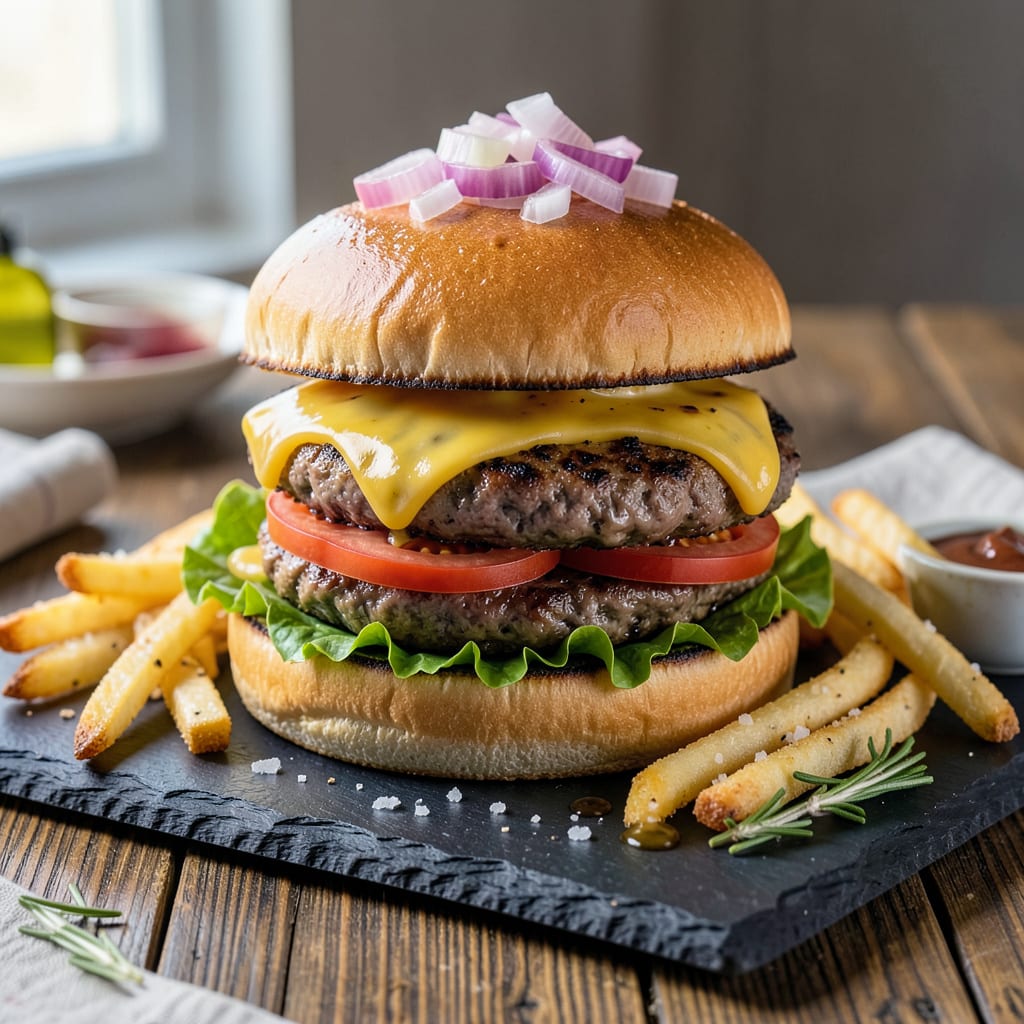
Let me tell you something I learned the hard way—lean burgers don’t have to taste like dry hockey pucks. After years of grilling everything from brisket to ribs, I finally cracked the code for making juicy patties with less fat. The secret isn’t magic; it’s about working with the meat, not against it.
Here’s the thing—when you’re using 90/10 beef or turkey, you’ve got to outsmart the leanness. I started adding grated onion right into the mix (it releases moisture as it cooks) and swapping breadcrumbs for a quick panade of milk and panko. These little tricks mimic what fat normally does, keeping every bite tender and flavorful.
But the real game-changer? Cooking method. I pull the patties off the grill just before they’re done, let them rest under a slice of cheese for 2 minutes, then finish with a quick sear. That cheese isn’t just for flavor—it creates a seal that locks in all those precious juices. The result is burgers that actually stay moist from first bite to last.
Between you and me, these burgers have converted more skeptics than my famous smoked ribs. Top them with caramelized onions or avocado if you’re feeling fancy, but they’re honestly perfect just as they are. Fire up that grill—it’s time to rethink what lean can taste like.
📚 In This Guide
- What You’ll Need
- Instructions
- Tips and Common Mistakes
What Youll Need
- ● Ground meat: 1 lb 90% lean ground beef (or 93% for extra-lean). For alternatives, try ground turkey, chicken, or plant-based blends.
- ● Binders (pick 1-2): 1 large egg (beaten) or ¼ cup breadcrumbs/panko + 2 tbsp water (or grated onion/zucchini for low-carb).
- ○ Fat boosters (optional but recommended): 1 tbsp olive oil, melted butter, or grated cold butter (keeps patties moist!).
- ● Seasonings: 1 tsp salt, ½ tsp black pepper, 1 tsp garlic powder, 1 tsp onion powder (or 2 tbsp fresh herbs like parsley/cilantro).
- ○ Umami kick (optional): 1 tbsp Worcestershire sauce, soy sauce, or mushroom powder.
- ● Tools: Mixing bowl, food scale (for even patties), burger press (or your hands!), meat thermometer (🎯 160°F for safety), and a grill/skillet (cast iron preferred).
- ● Extras: Cheese slices, buns, and toppings like avocado, caramelized onions, or pickles.
Instructions
Here’s my foolproof method for creating burgers that stay incredibly juicy and flavorful, even with lean meat.
Choose the Right Meat and Prep It Properly
Start with 90% lean ground beef—this gives you enough fat for flavor and moisture without being greasy. I always buy fresh ground beef from the butcher counter rather than pre-packaged; the quality makes a noticeable difference in both texture and taste.
Place the meat in a large bowl and sprinkle it with 1 teaspoon of salt and ½ teaspoon of black pepper per pound. Gently mix with your hands just until combined—overworking the meat will make your burgers dense and tough. The key here is to handle it as little as possible while ensuring the seasoning is evenly distributed.
Add Moisture-Boosting Ingredients
Here’s the secret to keeping lean burgers juicy: add 2 tablespoons of grated onion and 1 tablespoon of Worcestershire sauce per pound of meat. The onion adds natural moisture and sweetness, while the Worcestershire sauce enhances flavor and helps retain juices during cooking.
Mix these ingredients into the beef gently but thoroughly, making sure they’re evenly distributed. I’ve found this combination works better than eggs or breadcrumbs, which can make burgers taste bready or dense. The mixture should feel slightly sticky but still hold together when formed into patties.
Form Patties with a Dimple
Divide the meat into 4 equal portions and gently shape them into patties about ¾-inch thick. The trick is to make them slightly wider than your buns—they’ll shrink during cooking. Press your thumb into the center of each patty to create a shallow dimple about ½-inch deep.
This dimple prevents the burgers from puffing up in the middle as they cook, ensuring even cooking and a flat surface that fits perfectly on your bun. Don’t press the patties too tightly—you want them to hold together but still have some loose texture for maximum juiciness.
Cook Using the Right Technique
Preheat your grill or skillet to medium-high heat (about 375-400°F). Cook the burgers for 3-4 minutes per side for medium doneness. Resist the urge to press down on them with a spatula—this squeezes out all those precious juices you worked so hard to preserve.
You’ll know they’re ready to flip when you see juices pooling on the uncooked surface. For the last 2 minutes of cooking, add your cheese if using, and toast your buns cut-side down on the grill or in a dry skillet. This timing ensures everything finishes at the same time.
Rest Before Serving
Transfer the cooked burgers to a clean plate and let them rest for 3-5 minutes before serving. This brief resting period allows the juices to redistribute throughout the patty instead of running out when you bite into it. Tent them loosely with foil to keep them warm.
While they rest, you’ll notice the burgers continue to cook slightly from residual heat—the internal temperature will rise about 5 degrees. This is why pulling them off at 155°F gives you perfect 160°F medium doneness after resting. Serve immediately with your favorite toppings and enjoy burgers that are surprisingly juicy for their lean profile.
Tips and Common Mistakes
These small but important details will transform your lean burgers from dry to irresistibly juicy every time.
The Heat Factor: When cooking at medium-high heat (375-400°F) in Step 4, resist the urge to move the patties constantly. Let them develop a good sear for the full 3-4 minutes per side before flipping. The crust that forms during this time locks in moisture—flipping too soon prevents that perfect caramelization that keeps juices sealed inside.
Here’s What I Learned: That ½-inch dimple in Step 3 isn’t just for looks—it’s your insurance against hockey puck burgers. I skipped this step once and ended up with domed patties that cooked unevenly. The dimple compensates for the natural contraction of the meat fibers as they cook, giving you that ideal flat surface for toppings.
Timing Secret: The 3-5 minute rest in Step 5 might seem optional, but it’s when the magic happens. I tested this by cutting into one burger immediately and another after resting—the difference was shocking. The rested burger stayed moist throughout, while the other released all its juices onto the plate. Those few minutes let the muscle fibers relax and reabsorb the juices.
Ingredient Intel: Don’t underestimate the power of the 2 tablespoons of grated onion in Step 2. I’ve tried minced onion instead, but grating releases more moisture and incorporates evenly without creating pockets of raw onion. The natural sugars caramelize during cooking, adding subtle sweetness that balances the Worcestershire’s tang.
Pro Tips for Make Lean Burgers Juicy
- These small but important details will transform your lean burgers from dry to irresistibly juicy every time.
- The Heat Factor: When cooking at medium-high heat (375-400°F) in Step 4, resist the urge to move the patties constant…
- Here’s What I Learned: That ½-inch dimple in Step 3 isn’t just for looks—it’s your insurance against hockey puck burg…
Frequently Asked Questions
Can I use frozen lean ground beef for juicy burgers?
Yes! Thaw frozen lean beef in the fridge overnight (never at room temp). Pat it very dry before mixing—excess moisture steams the patty, making it tough. Add 1 tbsp cold water or broth per pound to compensate for dryness, and avoid overworking the meat.
What’s the best fat-to-lean ratio for juicy burgers without extra grease?
Aim for 90% lean/10% fat (or 85/15 max). Too lean (93%+) dries out fast. Pro tip: Mix in 1-2 tbsp grated onion, zucchini (squeezed dry), or olive oil per pound to replace moisture without adding grease. Three keys: Chill patties 30 mins before cooking, dimple the center (prevents bulging), and avoid pressing while cooking. Flip just once! Overhandling = tough burgers. Skip eggs—they dry out lean meat! Try:
Common culprits:
How do I keep lean burgers from shrinking or turning into hockey pucks?
What’s a good egg or breadcrumb substitute for binding lean burgers?
Use just enough to hold shape—too much = dense patties.
Why are my lean burgers dry even when I don’t overcook them?
Who says lean burgers have to be dry? With the right mix of fat substitutes, moisture-boosting ingredients, and smart cooking techniques, you can enjoy juicy, flavor-packed patties without the guilt. 🍔✨ Now that you’ve got the secrets, it’s time to fire up the grill—or skillet—and put them to the test!
Ready to take your burger game further? Try experimenting with different seasonings or toppings to make your next batch even more irresistible. Happy cooking!

Trained in classic French technique but raised on slow-cooked ribs and spicy rubs, she blends culinary skill with smoke and soul.
- Recipe for Boneless Pork Chops in Cast Iron Skillet: Sear and Baste to Juicy Perfection - October 3, 2026
- Recipe for Boneless Cross Rib Roast: Slow-Roasted Beef with Herb Crust - October 3, 2026
- Hamburgers in Sauce Recipe Crock Pot: Slow-Cooked Savory Delight - October 3, 2026