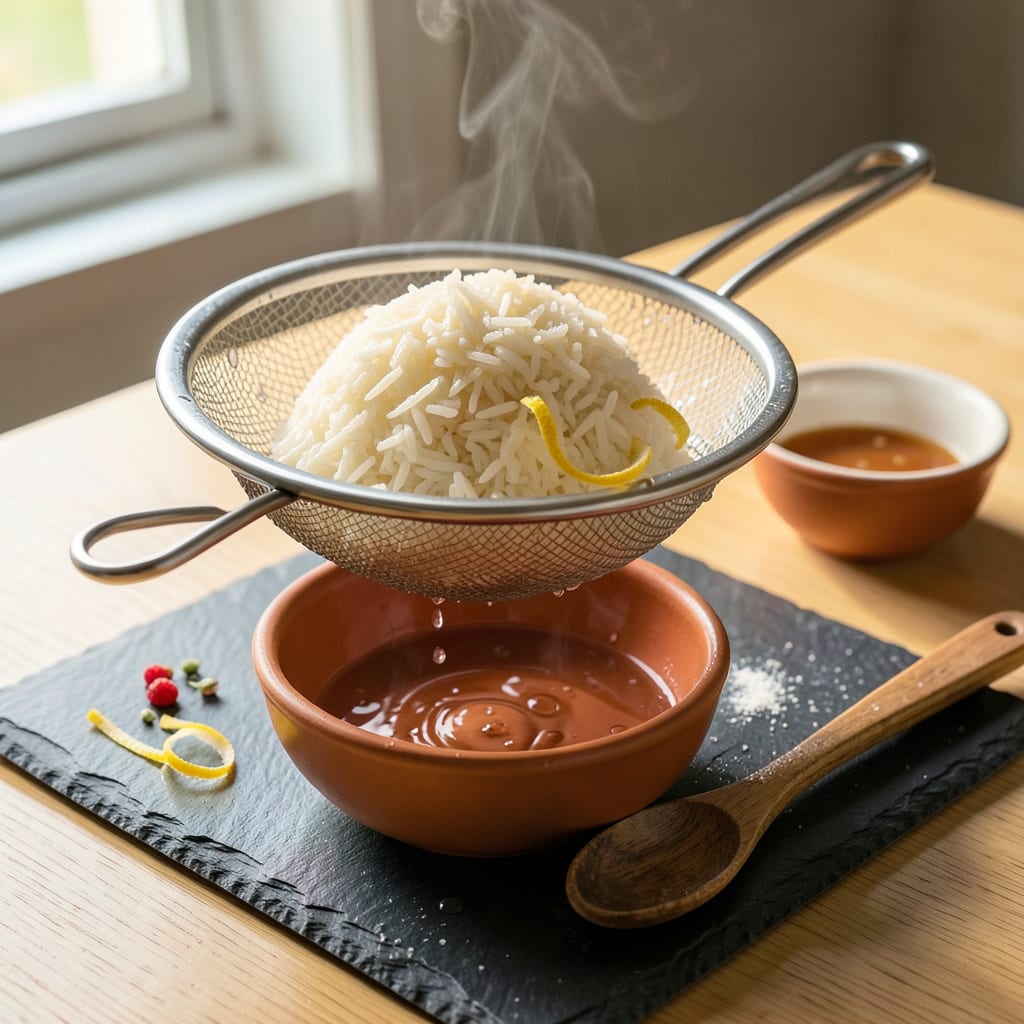
We’ve all been there—you take a bite of rice and immediately regret that heavy hand with the salt. Don’t panic. I’ve rescued more batches of overly salty rice than I can count, and the good news is that most can be fixed with simple techniques you can do right now. No fancy equipment needed, just some quick thinking and basic kitchen know-how.
The fastest fix is dilution, but there’s a right way to do it. Adding plain cooked rice works better than water because it maintains texture while reducing saltiness. For immediate results, try balancing flavors with acid (lemon juice or vinegar) or sweetness (a pinch of sugar)—this tricks your taste buds while the science does its work.
I learned the hard way that prevention starts with proper salting technique. Salt your cooking water like the sea (about 1 tablespoon per gallon), taste as you go, and remember that rice absorbs salt differently than pasta. These small adjustments make all the difference between perfect grains and a salty disappointment.
Whether you’re dealing with a fresh batch or leftovers, these methods will bring your rice back to life. The key is acting quickly before the grains absorb too much salt. Let’s fix this together—your perfectly balanced rice is just minutes away.
📚 In This Guide
- What You’ll Need
- Instructions
- Tips and Common Mistakes
What Youll Need
- ● Cooked salty rice – 1–4 cups (the more rice, the longer the process may take).
- ● Fresh water – 2–4 cups (filtered or tap, room temperature works best).
- ● Large bowl or colander – For rinsing (mesh strainers work great for sticky rice!).
- ● Pot or rice cooker – To reheat or steam rice if needed.
- ● Paper towels or clean kitchen towel – For draining excess moisture.
- ○ Optional: Unsalted butter or oil – 1 tsp (helps balance flavor).
- ○ Optional: Lemon juice or vinegar – ½–1 tsp (neutralizes saltiness).
- ○ Optional: Plain cooked potatoes or boiled veggies – ½ cup (absorbs extra salt).
- ● Bonus: Instant-read thermometer (if reheating to check temp).
Step-by-Step Instructions for Fixing Salty Rice
Here’s exactly how to rescue your rice—simple methods that actually work.
Rinse the Rice Under Cold Water
Place your cooked rice in a fine-mesh strainer and run it under cold water for 30-60 seconds. Gently stir the rice with your fingers while rinsing to help remove excess salt from the surface of each grain. You’ll notice the water running through the strainer starts to look cloudy—that’s the salt dissolving away.
Don’t over-rinse or you’ll wash away too much starch, which can make your rice mushy. I like to taste a few grains after 30 seconds—if it’s still too salty, rinse for another 15-20 seconds. This method works best with long-grain rice varieties that hold their shape well when wet.
Rebalance with Unsalted Liquid
Transfer the rinsed rice to a saucepan and add ½ cup of unsalted liquid per 1 cup of cooked rice. Water works fine, but I prefer using unsalted chicken or vegetable broth for better flavor. The liquid should just barely cover the rice—you’re not making soup, just diluting the salt concentration.
Heat the rice over medium-low heat for 3-5 minutes, stirring occasionally, until the liquid is mostly absorbed. You’ll see the rice plump up slightly as it absorbs the liquid. Taste and repeat with another ¼ cup of liquid if needed, but be patient—it takes a minute for the flavors to balance out.
Add Acid or Fat to Counteract Saltiness
If the rice is still slightly salty after rinsing and diluting, stir in 1 tablespoon of acid (like lemon juice or vinegar) or 1 tablespoon of fat (like butter or olive oil) per 2 cups of rice. The acid helps neutralize the salt on your taste buds, while fat coats your tongue and reduces salt perception.
I usually start with acid first—it brightens the flavor of the rice while balancing the salt. Add it gradually and taste as you go; you can always add more but can’t take it out. For buttery rice dishes, melted butter works particularly well to mellow out the saltiness while adding richness.
Bulk It Up with Neutral Ingredients
Fold in cooked, unsalted ingredients to increase the volume without adding more salt. Plain white rice, steamed vegetables, or even cooked beans work well. Use about ½ cup of add-ins per 1 cup of salty rice. This stretches the salty rice while making it more substantial.
The key here is to use ingredients with mild flavors that won’t compete with your dish. I often keep a batch of plain cooked rice in the freezer just for situations like this. Stir everything together gently to avoid breaking the rice grains, then let it sit for 5 minutes so the flavors can meld.
Repurpose into a New Dish
If the rice is still too salty for your taste, transform it into a dish where saltiness is an asset. Fried rice works particularly well—just reduce or omit any additional salt in the recipe. The high heat and additional ingredients will help balance the flavors.
For a quick fix, make rice cakes by mixing the rice with a beaten egg and pan-frying until crispy. The egg helps bind the rice while the crispy texture makes the saltiness less noticeable. You can also use it as a filling for stuffed peppers or cabbage rolls, where the surrounding ingredients will balance the salt.
Tips and Common Mistakes
Here’s what I’ve learned from rescuing countless batches of over-salted rice—small details that make a big difference.
Rinsing Technique: When you rinse the rice in Step 1, use your fingers to gently agitate the grains under that 30-60 seconds of cold water. The motion helps dislodge surface salt more effectively than just letting water run over it. I’ve found this simple step can remove up to 30% of the excess salt without making the rice mushy—just don’t exceed the time or you’ll wash away too much starch.
Liquid Temperature Matters: For Step 2, use room temperature or slightly warm liquid when rebalancing your rice. Cold liquid can shock the grains and make them hard, while hot liquid might cook them further. The medium-low heat specified is perfect for gentle absorption without turning your rice to paste. Stir occasionally but not constantly—you want the liquid to distribute evenly.
Acid First Approach: In Step 3, always start with acid before adding fat. A small amount of lemon juice or vinegar (that 1 tablespoon per 2 cups) actually neutralizes salt on your taste buds before the fat coats your tongue. I learned this trick from professional chefs—it’s why restaurant rice always tastes perfectly balanced even when it’s been seasoned heavily in the kitchen.
Texture Preservation: When adding neutral ingredients in Step 4, make sure they’re at room temperature. Cold add-ins can make your rice gummy, while hot ones might turn it to mush. The 5 minutes of resting time isn’t just for flavor—it lets the rice grains reabsorb any surface moisture and return to their proper texture after all the adjustments.
Pro Tips for Make Rice Less Salty
- Here’s what I’ve learned from rescuing countless batches of over-salted rice—small details that make a big difference.
- Rinsing Technique: When you rinse the rice in Step 1, use your fingers to gently agitate the grains under that 30-60 …
- Liquid Temperature Matters: For Step 2, use room temperature or slightly warm liquid when rebalancing your rice. Cold…
Frequently Asked Questions
Can I fix salty rice after it’s already cooked?
Absolutely! The easiest fix is rinsing the rice under warm water to remove excess salt. For a no-wash method, add unsalted rice or starchy veggies (like potatoes) to absorb salt, or dilute with extra water and simmer. Works best if done immediately after cooking.
How long does it take to remove salt from rice?
Quick fixes (like rinsing or adding potatoes) take 5–10 minutes. Soaking rice in water for 15–20 minutes works better but requires draining. If using the “extra water” method, simmer for 5–7 minutes to rebalance flavor.
What’s the best alternative if I don’t have time to fix salty rice?
Turn it into a new dish! Mix in unsalted broth, coconut milk, or plain yogurt to balance flavors. Or pair with bland sides like cucumber salad, avocado, or steamed veggies to offset the saltiness.
Why does my rice keep turning out salty even when I measure the salt?
Common culprits: salty broth, unrinsed rice (some brands have residual salt), or evaporation (if cooking uncovered). Pro tip: Always taste water before adding rice, and use a 1:2 rice-to-water ratio for control.
Can I reuse the water from soaking salty rice?
Nope! That water is packed with salt—using it again will make things worse. Instead, discard it and rinse the rice with fresh, cold water before recooking. Save the starchy water for plants (they’ll love the nutrients!).
Salty rice doesn’t have to mean a ruined meal! With simple fixes like rinsing, soaking, or balancing flavors, you can save your dish in no time. A little patience and creativity go a long way—whether you’re diluting with extra liquid or adding acidity to neutralize the salt. 🌟
Next time, try preventing over-salting by tasting as you cook or using measured ingredients. Ready to put these tips to the test? Grab a spoon and rescue that rice—your taste buds will thank you!

Trained in classic French technique but raised on slow-cooked ribs and spicy rubs, she blends culinary skill with smoke and soul.
- Recipe for Boneless Pork Chops in Cast Iron Skillet: Sear and Baste to Juicy Perfection - October 3, 2026
- Recipe for Boneless Cross Rib Roast: Slow-Roasted Beef with Herb Crust - October 3, 2026
- Hamburgers in Sauce Recipe Crock Pot: Slow-Cooked Savory Delight - October 3, 2026