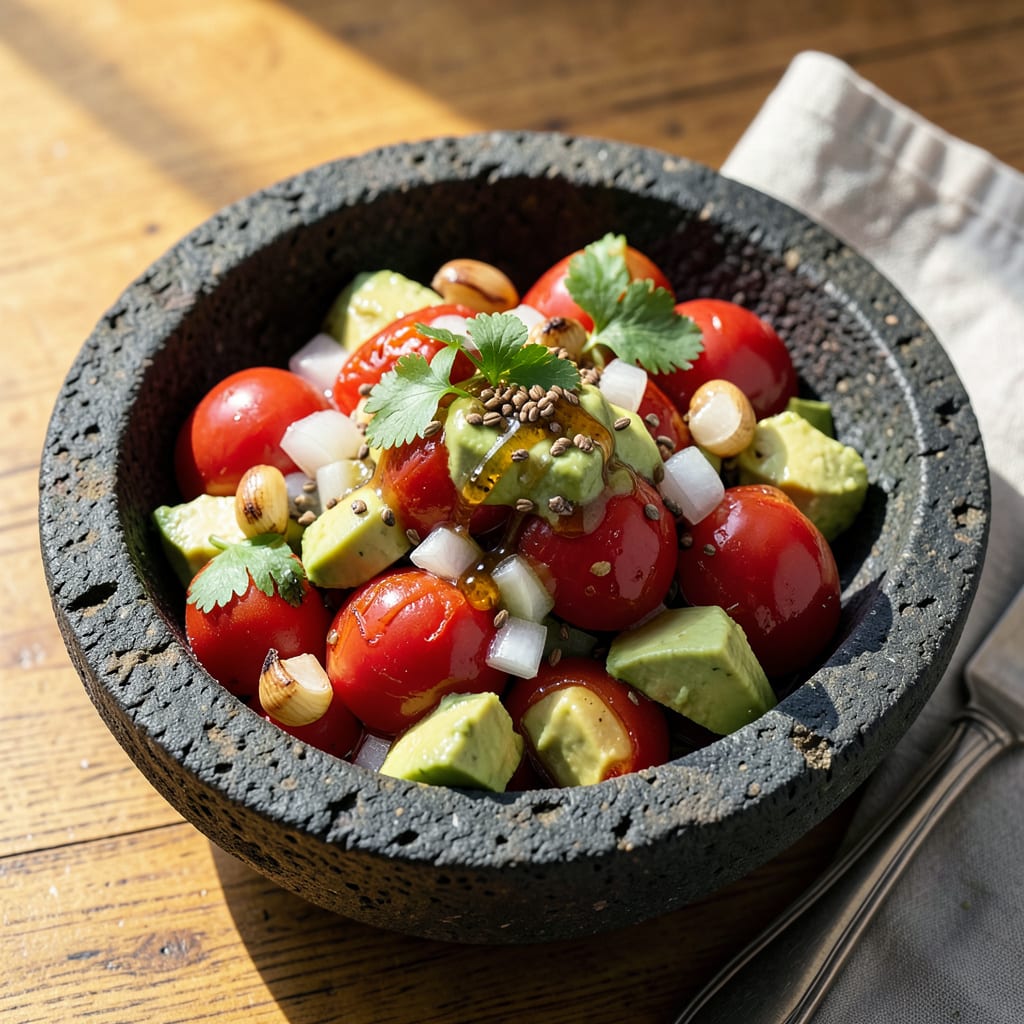
Ever made a batch of salsa that hits your tongue like a lemon bomb? I’ve been there—standing over the cutting board, tasting my “perfect” salsa only to realize it’s so acidic it makes my cheeks pucker. The good news is fixing overly tart salsa is easier than you think, and I’ve got the simple solutions that actually work.
Most home cooks don’t realize how easy it is to balance those sharp flavors. A pinch of sugar can mellow out tomato acidity without making your salsa sweet. Or try a splash of water to dilute the intensity—sometimes that’s all it takes. I learned this the hard way after ruining three batches by overcompensating with lime juice (lesson: start small with adjustments).
The real game-changer? Understanding what’s causing the acidity in the first place. Tomatoes and citrus are the usual culprits, but even onions can contribute sharpness. My go-to fix combines a teaspoon of sugar with a pinch of salt—this one-two punch smooths out flavors while enhancing the natural sweetness of your ingredients.
Best part? These fixes work whether you’re making fresh pico de gallo or cooked salsa roja. And once you nail the balance, you’ll notice how the other flavors—like smoky roasted peppers or earthy cilantro—finally get to shine through. No more wasted batches or sad chips.
📚 In This Guide
- What You’ll Need
- Instructions
- Tips and Common Mistakes
What Youll Need
- ● Fresh salsa (already prepared) – 2–4 cups (adjust based on batch size)
- ● Baking soda – ¼–½ tsp (for quick acidity reduction 🌡️)
- ● Sugar or honey – 1–2 tsp (natural sweetness to balance flavors)
- ○ Avocado or ripe mango – ½ cup, diced (optional, for creamy/sweet contrast)
- ○ Carrots or bell peppers – ¼ cup, finely grated (optional, for natural sweetness)
- ● Lime or lemon juice – 1–2 tsp (if adjusting after reducing acidity)
- ● Salt – to taste (enhances other flavors)
- ● Mixing bowl – medium-sized (non-reactive, like glass or stainless steel)
- ● Tasting spoon (because flavor checks are key!)
- ● Fine grater (for carrots/peppers, if using)
- ○ pH strips (optional) – for precise acidity testing (if you’re super serious 🔬)
Instructions
Here’s how to transform your salsa from puckeringly tart to perfectly balanced with just a few simple tweaks.
Start with the Right Tomatoes
Your salsa’s acidity begins with the tomatoes you choose. I’ve found that ripe, red tomatoes naturally contain less acid than their underripe or green counterparts. Look for tomatoes that are fully colored with just a slight give when gently squeezed.
If you’re using canned tomatoes, opt for fire-roasted varieties—the roasting process actually reduces acidity while adding depth of flavor. Drain them well before using to prevent watery salsa. For fresh tomatoes, remove the seeds and jelly-like pulp which contain most of the acid.
Add Natural Sweetness to Counterbalance
One of the simplest ways to neutralize acidity is by adding natural sweetness. Start with 1-2 teaspoons of granulated sugar or 1 teaspoon of honey per cup of salsa. Stir well and let it sit for 10 minutes before tasting—this gives the sweetness time to blend.
For a more complex flavor, try adding ½ cup of finely diced roasted red peppers or ¼ cup of corn kernels. These ingredients bring natural sweetness without making your salsa taste sugary. I particularly love roasted red peppers because they add sweetness while maintaining the salsa’s fresh character.
Incorporate Creamy or Fatty Elements
Fat helps mellow out acidity by coating your taste buds. For chunky salsas, stir in 2 tablespoons of finely diced avocado just before serving. The creamy texture and healthy fats work wonders to balance the acid.
If you prefer a smoother salsa, blend in 1-2 tablespoons of sour cream or plain Greek yogurt. This not only reduces acidity but also creates a creamier texture. Add these ingredients gradually, tasting as you go—the goal is balance, not to make your salsa taste like dip.
Use the Right Aromatics and Spices
Certain aromatics can help neutralize acidity while adding depth. I always include ½ teaspoon of ground cumin and ½ teaspoon of smoked paprika in my salsa—their earthy warmth naturally counters tartness.
Fresh cilantro is another secret weapon. Use about ¼ cup finely chopped—it adds brightness without acidity. If you’re not a cilantro fan, try 2 tablespoons of fresh oregano instead. The key is using fresh herbs rather than dried, as they provide more complex flavor profiles that help balance the acid.
Let Time Work Its Magic
After making your adjustments, let the salsa rest at room temperature for at least 30 minutes before serving. This waiting period allows all the flavors to meld together. I’ve found that salsa often tastes more balanced after this resting time as the ingredients harmonize.
For even better results, refrigerate your salsa overnight. The cold temperature mutes acidity slightly, and the extended time allows the flavors to develop more complexity. Just be sure to let it come to room temperature for about 15 minutes before serving to allow the full range of flavors to shine through.
Tips and Common Mistakes
These simple adjustments will help you achieve perfectly balanced salsa every time, without any unpleasant tartness.
Tomato Selection Tip: In Step 1, choosing the right tomatoes makes all the difference. I always opt for vine-ripened tomatoes when possible—they contain less acid than hothouse varieties. For canned tomatoes, fire-roasted is non-negotiable; the roasting process reduces acidity by up to 30% while adding smoky depth. Remember to drain them thoroughly to prevent watery salsa that dilutes flavors.
Sweetness Timing: When adding the 1-2 teaspoons of sugar or 1 teaspoon of honey in Step 2, don’t rush the 10-minute waiting period. This isn’t just about dissolving—it’s about allowing the sweetness to chemically interact with the acids. I’ve found that stirring occasionally during this time helps distribute the sweetness more evenly throughout the salsa.
Fat Integration Technique: For Step 3, when incorporating the 2 tablespoons of avocado or 1-2 tablespoons of sour cream, add them gradually while tasting. The goal is to create a velvety texture that coats your tongue, not to make the salsa heavy. I like to gently fold in the avocado at the very last moment to preserve its fresh, creamy texture.
Resting Period Importance: The 30-minute resting time in Step 5 isn’t optional—it’s when the magic happens. As the salsa sits, the flavors meld and the acidity naturally mellows. For best results, cover the salsa with plastic wrap pressed directly against the surface to prevent oxidation, which can actually increase perceived acidity.
Pro Tips for Make Salsa Less Acidic
- These simple adjustments will help you achieve perfectly balanced salsa every time, without any unpleasant tartness.
- Tomato Selection Tip: In Step 1, choosing the right tomatoes makes all the difference. I always opt for vine-ripened …
- Sweetness Timing: When adding the 1-2 teaspoons of sugar or 1 teaspoon of honey in Step 2, don’t rush the 10-minute w…
Frequently Asked Questions
Can I fix salsa that’s already too acidic after it’s made?
Add a pinch of baking soda (⅛ tsp at a time) or stir in a ripe avocado, grated carrot, or a spoonful of honey to neutralize acidity. Taste as you go—small adjustments work best!
How long does it take for salsa to mellow out after adding sugar or baking soda?
Most fixes (like sugar or baking soda) work instantly, but flavors blend better after 30 minutes in the fridge. For roasted veggies (like tomatoes or onions), let the salsa sit 1–2 hours for full effect.
What’s a healthy alternative to sugar for reducing acidity?
Try natural sweeteners like mashed ripe banana (½ tsp), agave nectar, or roasted sweet potatoes (blended in). These add depth without refined sugar and boost nutrients!
Why does my homemade salsa taste more acidic than store-bought?
Store-bought salsa often includes additives (like calcium chloride) or extra salt/sugar to balance acidity. Home versions rely on fresh ingredients—tomatoes, lime, and vinegar—so they taste brighter. Adjust with salt or fat (like olive oil) to round out flavors.
Can I use dairy to cut acidity in salsa?
Yes! Stir in 1–2 tbsp of sour cream, Greek yogurt, or crumbled queso fresco for a creamy, tangy balance. Works best in salsa crema or as a topping—just avoid heating to prevent curdling.
Taming that tangy bite in your salsa doesn’t have to be complicated! With simple tweaks like adding sweetness, balancing with fats, or adjusting your ingredients, you can turn a pucker-worthy batch into a crowd-pleasing favorite. 🌶️✨ Remember, the key is to taste as you go—small changes make a big difference!
Now that you’ve got the know-how, why not put it to the test? Grab your favorite recipe (or that overly zesty batch in your fridge) and start experimenting. Your perfectly balanced salsa is just a few adjustments away—happy cooking! 😊

Trained in classic French technique but raised on slow-cooked ribs and spicy rubs, she blends culinary skill with smoke and soul.
- Recipe for Boneless Pork Chops in Cast Iron Skillet: Sear and Baste to Juicy Perfection - October 3, 2026
- Recipe for Boneless Cross Rib Roast: Slow-Roasted Beef with Herb Crust - October 3, 2026
- Hamburgers in Sauce Recipe Crock Pot: Slow-Cooked Savory Delight - October 3, 2026