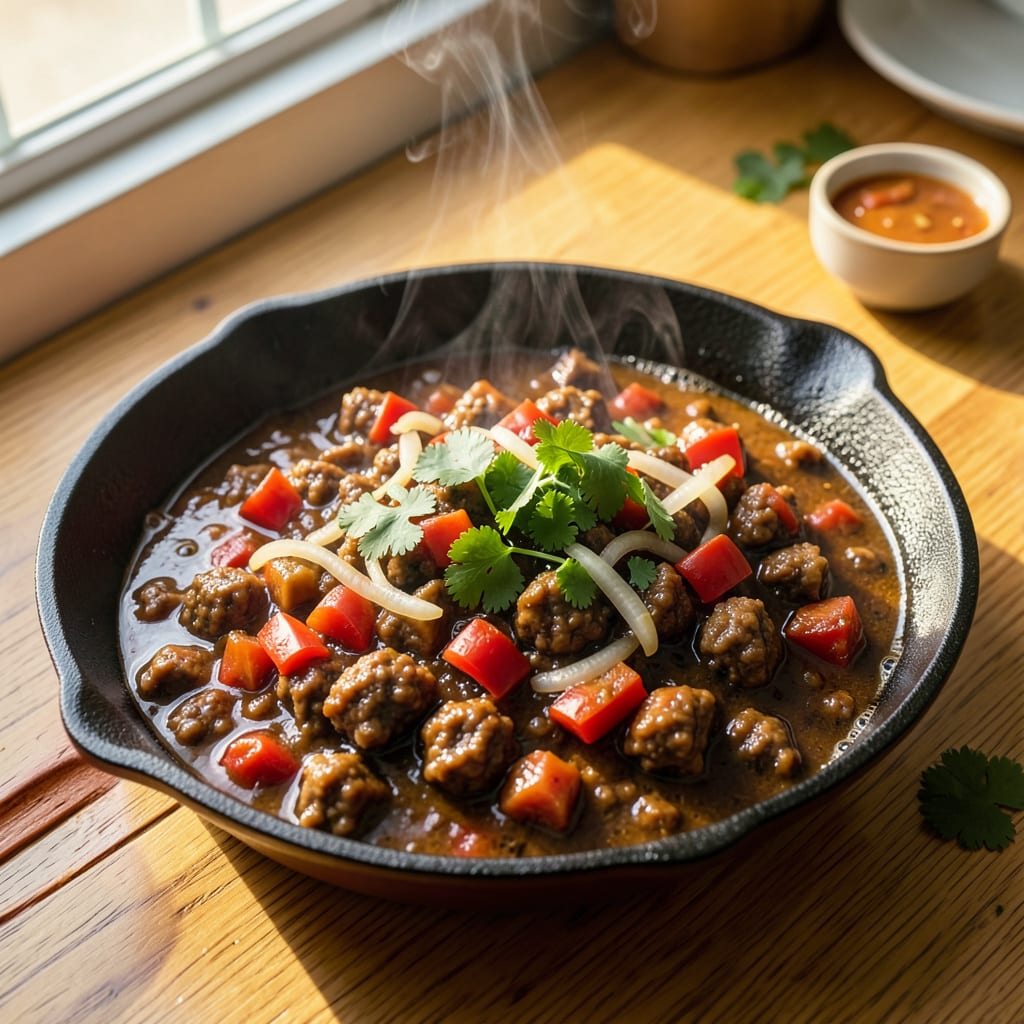
Nothing ruins a good sloppy joe faster than sauce that slides right off the bun. I’ve been there—staring at a pool of runny sauce on my plate, wondering where I went wrong. The secret to that perfect, clingy consistency isn’t complicated, but it does require knowing a few key techniques that most recipes gloss over.
After years of tweaking my sloppy joe sauce (and more than a few messy buns), I landed on three foolproof methods that work every time. Whether you’re dealing with a batch that’s too watery or just want that thick, rich texture from the start, the solution comes down to simple pantry staples and proper timing. No fancy equipment needed—just a little know-how and about 5 extra minutes.
What you’re aiming for is sauce that coats the back of a spoon and stays put when piled onto a bun. The right thickness means every bite delivers maximum flavor without the mess. I’ll walk you through exactly when to intervene in the cooking process and how to adjust flavors after thickening—because nobody wants a sloppy joe that tastes like cornstarch.
Fair warning: Once you nail this technique, you’ll never tolerate watery sloppy joes again. The difference between sauce that pools and sauce that clings is game-changing. Here’s how to get it right, with ratios that work for any batch size.
📚 In This Guide
- What You’ll Need
- Instructions
- Tips and Common Mistakes
What Youll Need
- ● Sloppy Joe mixture – 3–4 cups of your pre-made (or store-bought) sauce that’s too thin 🥘
- ● Thickening agents (pick one): Cornstarch – 1–2 tbsp mixed with 2 tbsp cold water (slurry method)
- ● All-purpose flour – 1–2 tbsp (whisked into ¼ cup cold broth or water)
- ● Tomato paste – 2–3 tbsp (for extra richness + thickness)
- ● Crushed crackers or breadcrumbs – ¼ cup (for texture + absorption)
- ● Cooking tools: Medium saucepan or skillet (non-stick recommended)
- ● Wooden spoon or silicone spatula
- ● Whisk (for lump-free slurries)
- ○ Optional boosters: Worcestershire sauce – 1 tsp (for depth)
- ● Brown sugar – 1 tsp (balances acidity)
- ● Extra ground beef or lentils – ½ cup (for heartier texture)
- ● Prerequisites: Sauce already simmered (thickening works best on cooked mixtures)
- ● Taste-tested for seasoning (adjust salt/pepper after thickening)
Instructions for Thickening Sloppy Joe Sauce
Here’s the foolproof method I use to transform runny sauce into rich, meaty perfection every time.
Simmer Uncovered to Reduce Liquid
Start by letting your sloppy joe mixture simmer uncovered over medium-low heat. This is the simplest first step that removes excess moisture naturally. Stir occasionally to prevent sticking, but don’t rush this process – you want a gentle, steady simmer where small bubbles break the surface consistently.
You’ll notice the sauce gradually darkening and the liquid level dropping. This concentration of flavors is exactly what you want. Plan for about 10-15 minutes of simmering time, though thicker sauces may need less. The key is patience – you can’t hurry good texture.
Create a Cornstarch Slurry for Instant Thickening
While the sauce simmers, mix 1 tablespoon cornstarch with 2 tablespoons cold water in a small bowl until completely smooth. This slurry method prevents lumps from forming when you add it to the hot sauce. I always use cold water because it activates the cornstarch properly before hitting the heat.
Slowly drizzle the slurry into the simmering sauce while stirring constantly. You’ll see the mixture transform almost immediately, becoming glossier and more substantial. Let it cook for an additional 2-3 minutes to fully activate the cornstarch and eliminate any raw taste.
Incorporate Tomato Paste for Depth and Body
Add 2-3 tablespoons tomato paste to the sauce and stir well to incorporate completely. The paste does double duty – it thickens while intensifying the tomato flavor. I like to press it against the side of the pan with my spoon to help it dissolve evenly into the mixture.
Let the sauce cook for another 5 minutes after adding the paste. You’ll notice it becoming richer in color and developing that classic sloppy joe stickiness that clings perfectly to buns. This step also helps balance any acidity from the tomatoes, creating a more rounded flavor profile.
Adjust Consistency with Breadcrumbs (Optional)
If you prefer an even heartier texture, sprinkle in ¼ cup plain breadcrumbs while stirring. The breadcrumbs absorb excess moisture while adding subtle body to each bite. I recommend using plain, unseasoned breadcrumbs so they don’t alter the flavor balance you’ve worked to create.
Let the mixture cook for 3-4 minutes after adding breadcrumbs to allow them to soften and integrate fully. You’ll know it’s ready when the sauce holds its shape on a spoon and has that perfect spoon-coating consistency. Taste and adjust seasoning if needed – the thickening process can sometimes mute flavors slightly.
Rest for Perfect Cling
Remove the pan from heat and let the sauce rest for 5-10 minutes before serving. This brief rest allows the sauce to reach its final, ideal consistency. You’ll see it thicken up just a bit more as it cools slightly, which is exactly what you want for that perfect bun-clinging texture.
The resting time also lets all the flavors meld together completely. When you spoon it onto buns, it should hold its shape momentarily before spreading slightly – that’s how you know you’ve achieved the perfect sloppy joe consistency that’s rich and substantial but still wonderfully messy.
Tips and Common Mistakes
After years of making sloppy joes, I’ve learned these key details make all the difference between a runny mess and that perfect, clingy consistency we all love.
Heat Control: When simmering in Step 1, maintain that medium-low heat carefully. Too high and you’ll scorch the bottom; too low and you’ll wait forever for reduction. I find the sweet spot is when you see steady, gentle bubbles breaking the surface—like a lazy river rather than a rolling boil. Stir occasionally but not constantly, as this helps develop those rich, caramelized flavors at the bottom of the pan.
Slurry Success: For the cornstarch slurry in Step 2, use exactly 1 tablespoon cornstarch with 2 tablespoons cold water—no more, no less. I learned the hard way that warm water creates lumps, and extra cornstarch can make the sauce gummy. Drizzle it in slowly while stirring constantly, then give it the full 2-3 minutes to cook out that raw starch taste. You’ll see it transform from cloudy to glossy right before your eyes.
Tomato Paste Technique: In Step 3, don’t just dump the 2-3 tablespoons tomato paste into the center. Instead, add it to the edge of the pan where it’s hottest, then quickly stir it in. This “blooming” technique deepens the flavor. Let it cook the full 5 minutes—this step is crucial for developing that classic sloppy joe stickiness that clings to buns without being gluey.
Resting Matters: Don’t skip the 5-10 minute rest in Step 5. I know it’s tempting to dive right in, but this brief pause lets the sauce reach its final, ideal consistency. You’ll notice it thickens up just enough as it cools slightly, creating that perfect balance where it holds its shape on a spoon but still spreads beautifully on buns. The flavors also meld together completely during this time.
Pro Tips for Thicken Sloppy Joe Sauce
- After years of making sloppy joes, I’ve learned these key details make all the difference between a runny mess and th…
- Heat Control: When simmering in Step 1, maintain that medium-low heat carefully. Too high and you’ll scorch the botto…
- Slurry Success: For the cornstarch slurry in Step 2, use exactly 1 tablespoon cornstarch with 2 tablespoons cold wate…
Frequently Asked Questions
Can I use flour to thicken sloppy joe sauce, and how do I avoid lumps?
Yes! Flour is a great thickener, but add it correctly to avoid clumps. Mix 1–2 tbsp flour with cold water or broth (1:1 ratio) to make a slurry, then stir it into the simmering sauce. Whisk constantly for 2–3 minutes until smooth. Pro tip: Never dump dry flour directly into hot liquid—it’ll turn lumpy fast!
How long does it take for the sauce to thicken after adding a thickener?
Most thickeners (cornstarch, flour, or tomato paste) need 3–5 minutes of simmering to reach full effect. Stir occasionally and check consistency—it’ll thicken more as it cools. Patience is key! If it’s still too thin, add another ½ tbsp of thickener and repeat.
What’s the best thickener for a gluten-free sloppy joe sauce?
Skip flour and use cornstarch (1 tbsp mixed with 1 tbsp cold water per cup of sauce) or arrowroot powder (same ratio). For extra richness, blend in 2–3 tbsp mashed beans or gluten-free oats. Always simmer 2–3 minutes after adding to activate the thickener!
Why did my sloppy joe sauce get too thick? How do I fix it?
Over-reducing or too much thickener can turn sauce into paste. Fix it by stirring in 1–2 tbsp broth, water, or tomato juice at a time until it loosens. Heat gently to blend. If it’s way too thick, cover and let it steam for 5 minutes—moisture will help!
Can I thicken sloppy joe sauce without cooking it longer?
Yes! For a no-cook fix, stir in 1–2 tbsp breadcrumbs or crushed crackers (like saltines) and let sit 5 minutes. The starches absorb liquid instantly. Bonus: This adds a subtle crunchy texture! For creaminess, mix in 1 tbsp mayo or Greek yogurt off-heat.
Now you’ve got the tools to turn that runny Sloppy Joe sauce into a thick, flavorful masterpiece that clings to every bite! 🎉 Whether you used a cornstarch slurry, simmered it low and slow, or added a sneaky tomato paste boost, your sandwiches will never be soggy again. The key is patience—and a little know-how.
Ready to put your new skills to the test? Grab that skillet and whip up a batch tonight—your family (or hungry game-day crowd) will thank you! For extra fun, try experimenting with different thickeners or spices to make the recipe your own. Happy cooking!

Trained in classic French technique but raised on slow-cooked ribs and spicy rubs, she blends culinary skill with smoke and soul.
- Recipe for Boneless Pork Chops in Cast Iron Skillet: Sear and Baste to Juicy Perfection - October 3, 2026
- Recipe for Boneless Cross Rib Roast: Slow-Roasted Beef with Herb Crust - October 3, 2026
- Hamburgers in Sauce Recipe Crock Pot: Slow-Cooked Savory Delight - October 3, 2026