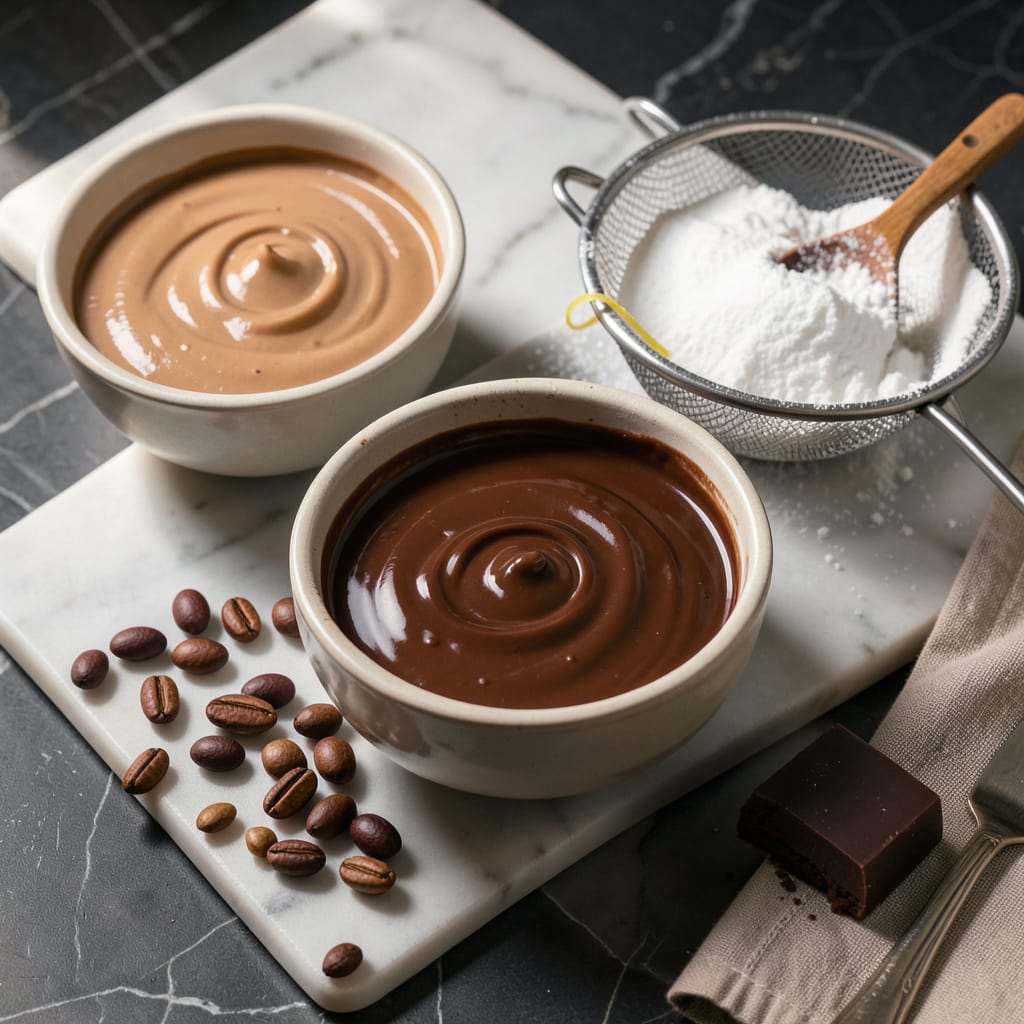
Ever bitten into a dessert made with semi-sweet chocolate and thought, “This needs just a little more sweetness”? I’ve been there—especially when working with high-cocoa-percentage chocolate that leans more bitter than balanced. The good news is you don’t need to start from scratch or settle for less-than-perfect results. With a few simple tweaks, you can adjust that chocolate to hit your ideal sweet spot.
Here’s the thing—semi-sweet chocolate typically contains 35-60% cocoa solids, which means there’s already sugar in the mix. But sometimes the bitterness dominates, especially in baking where other ingredients can dilute the chocolate’s impact. The solution isn’t just dumping in sugar; it’s about understanding how different sweeteners interact with cocoa and choosing the right method for your specific use case.
I’ve tested every trick in the book—from powdered sugar for quick fixes to honey for depth of flavor. Some methods work better for melted chocolate, others for baking applications. The key is knowing which sweetener to use and exactly when to add it. Get this right, and you’ll transform that slightly bitter chocolate into something perfectly balanced, whether you’re making fudge, cookies, or a simple chocolate drizzle.
Best part? These adjustments work with any brand of semi-sweet chocolate, and most require ingredients you already have. No special equipment, no complicated techniques—just smart, practical ways to make your chocolate taste exactly how you want it to. Let’s break down the best methods.
📚 In This Guide
- What You’ll Need
- Instructions
- Tips and Common Mistakes
What Youll Need
- ● Semi-sweet chocolate – 1 cup (6 oz or ~170g) of chopped bars or high-quality chips (avoid compound chocolate).
- ● Sweetener of choice – Pick one (adjust to taste): Granulated sugar – 1–2 tbsp
- ● Powdered sugar – 1–1.5 tbsp (dissolves smoother!)
- ● Honey or maple syrup – 1 tbsp (adds moisture)
- ● Vanilla sugar – 1.5 tbsp (for extra flavor)
- ○ Fat for binding (optional but recommended): Unsalted butter – 1 tsp (softened)
- ● Coconut oil – ½ tsp (for dairy-free)
- ● Tools: Double boiler or microwave-safe bowl
- ● Silicone spatula (for stirring)
- ○ Candy thermometer (optional, for precision)
- ● Parchment paper (if reshaping chocolate)
- ○ Extras (optional): Vanilla extract – ¼ tsp (enhances sweetness)
- ● Pinch of salt (balances flavors)
Instructions: 5 Chef-Approved Methods to Enhance Sweetness
Transform your semi-sweet chocolate into a sweeter treat with these professional techniques—each method delivers perfect results.
Incorporate Powdered Sugar for Instant Sweetness
Begin by finely grinding 1-2 tablespoons of powdered sugar per ounce of chocolate in a food processor until it becomes an ultra-fine powder. This texture ensures seamless integration without graininess. The key here is gradual addition—sprinkle the powdered sugar over melted chocolate while stirring constantly with a silicone spatula.
Watch for the mixture to lighten slightly in color and develop a glossy sheen—this visual cue indicates proper incorporation. I recommend using powdered sugar rather than granulated because it dissolves instantly without altering the chocolate’s smooth texture. For best results, maintain the chocolate at 90-95°F during mixing to prevent seizing.
Create a Sweetened Chocolate Ganache
Heat ¼ cup of heavy cream until it just begins to simmer—you’ll see tiny bubbles forming around the edges of the saucepan. Immediately pour the hot cream over 4 ounces of chopped semi-sweet chocolate in a heatproof bowl. Let it sit undisturbed for 2 minutes to allow the chocolate to soften.
Now add 1-2 tablespoons of honey or maple syrup to the mixture. Begin whisking from the center outward in concentric circles, gradually incorporating all ingredients until the ganache becomes silky smooth. The natural sweetness from the honey or syrup will balance the chocolate’s bitterness while adding depth of flavor. Look for the ganache to coat the back of a spoon thickly when properly emulsified.
Infuse with Vanilla and Cinnamon
Gently warm your semi-sweet chocolate in a double boiler until it reaches 115°F—it should be completely melted but not hot to the touch. Remove from heat and immediately stir in 1 teaspoon of pure vanilla extract and ¼ teaspoon of ground cinnamon per 4 ounces of chocolate.
The vanilla enhances the chocolate’s natural sweetness while the cinnamon adds warmth that makes the chocolate taste sweeter without additional sugar. Whisk vigorously for 1-2 minutes until the mixture becomes fragrant and slightly thickened. You’ll notice the aroma transforms from simple chocolate to a complex, dessert-like scent. This method works particularly well for chocolate sauces or drinking chocolate.
Blend with White Chocolate for Creamy Sweetness
Chop 1 ounce of white chocolate for every 3 ounces of semi-sweet chocolate you’re sweetening. Melt them together in a double boiler, stirring constantly until the mixture reaches 110°F. The white chocolate will begin to incorporate, lightening the color and viscosity of the mixture.
Continue stirring until completely smooth and homogeneous. The white chocolate adds both sweetness and a velvety texture. Watch for the mixture to develop a lighter, caramel-like color—this visual change indicates proper blending. For baking applications, this method creates fudgier results, while for confections it produces a creamier mouthfeel.
Sweeten with Fruit Purées for Natural Sweetness
Prepare a fruit purée by blending ¼ cup of raspberries, strawberries, or mango until completely smooth, then strain through a fine-mesh sieve to remove seeds. Gently warm the purée to 100°F to match the temperature of your melted semi-sweet chocolate.
Slowly whisk the warm purée into the chocolate, starting with 1 tablespoon at a time, until you achieve the desired sweetness level. The fruit’s natural sugars will enhance the chocolate’s sweetness while adding complementary flavor notes. The mixture should maintain a glossy appearance and pourable consistency. This technique works exceptionally well for chocolate truffles or as a dessert sauce, creating a sophisticated flavor profile that’s both sweeter and more complex.
Tips and Common Mistakes for Perfectly Sweetened Semi-Sweet Chocolate
These professional insights will transform your chocolate sweetening game from good to extraordinary.
Temperature Precision: The 90-95°F range in Step 1 isn’t arbitrary—it’s the sweet spot where chocolate stays fluid enough to incorporate powdered sugar without seizing. I use an instant-read thermometer to monitor this closely. If your mixture starts looking grainy or thickens suddenly, it’s overheated. Remove from heat immediately and stir in a few drops of warm water to rescue it.
Ganache Emulsification: During Step 2’s 2-minute resting period, resist the urge to stir! This critical pause allows the hot cream to fully melt the chocolate before you add sweeteners. When you do start whisking, use a flat-bottomed whisk and work in small circles from the center outward. The ganache should coat the back of a spoon thickly enough that you can draw a clean line through it with your finger.
Flavor Development: In Step 3, those 1-2 minutes of vigorous whisking after adding vanilla and cinnamon aren’t just about mixing—they’re about aroma development. The mechanical action releases volatile compounds that make the chocolate smell (and taste) dramatically more complex. I always know it’s ready when the scent shifts from simple chocolate to something reminiscent of Mexican hot chocolate.
Texture Monitoring: For Step 4’s white chocolate blend, watch for that caramel-like color change at 110°F—it signals the sugars in both chocolates have properly combined. If your mixture looks oily or separated, it’s overheated. Immediately transfer to a cool bowl and stir constantly until it recombines. The final texture should be smooth enough to ribbon off your whisk in thick, glossy strands.
Pro Tips for Make Semi Sweet Chocolate Sweeter
- These professional insights will transform your chocolate sweetening game from good to extraordinary.
- Temperature Precision: The 90-95°F range in Step 1 isn’t arbitrary—it’s the sweet spot where chocolate stays fluid en…
- Ganache Emulsification: During Step 2’s 2-minute resting period, resist the urge to stir! This critical pause allows …
Frequently Asked Questions
Can I sweeten semi-sweet chocolate without melting it?
Yes! For a no-melt method, finely grate or shave the chocolate and mix it with powdered sugar, honey, or maple syrup. Let it sit for 1-2 hours to absorb the sweetness. Best for baking chips or chunks in cookies or trail mix. Avoid liquids if using in melted recipes later—they can cause seizing.
How long does it take for added sweetener to blend into melted chocolate?
Most sweeteners (sugar, honey, or syrup) dissolve in 2-5 minutes over low heat with constant stirring. For powdered sugar, whisk vigorously to avoid clumps. Pro tip: Let the mixture rest 10 minutes off heat for even distribution. Patience prevents graininess!
What’s the best sweetener for chocolate if I’m avoiding sugar?
Try these 1:1 sugar substitutes:
- Erythritol or monk fruit: Heat-stable, no aftertaste.
- Maple syrup or agave: Add gradually (¼ tsp at a time) to avoid over-thinning.
- Stevia (liquid): Use sparingly—it’s 200x sweeter than sugar!
Note: Sugar alcohols may recystallize when cooled.
Why did my chocolate turn grainy after adding sweetener?
Graininess happens if:
- The sweetener wasn’t fully dissolved (stir longer on low heat).
- Liquid sweeteners (like honey) caused sugar bloom from moisture.
- You used coarse sugar instead of powdered.
Fix it: Reheat gently with ½ tsp coconut oil or butter, then whisk smooth.
Can I use sweetened condensed milk to make chocolate sweeter?
Mix 1-2 tbsp per ½ cup chocolate for a creamy, caramel-like sweetness. Ideal for truffles or fudge. Reduce other liquids in the recipe to balance texture. Store in the fridge—it’s richer and softer!
Transforming semi-sweet chocolate into a sweeter treat is easier than you think! 🍫✨ Whether you add a touch of sugar, blend in honey, or pair it with creamy ingredients, these simple tricks let you customize your chocolate to perfection. Don’t be afraid to experiment—small adjustments can make a big difference!
Ready to put your new skills to the test? Grab your favorite semi-sweet chocolate and try one of these methods today. Your taste buds will thank you! 😊

Trained in classic French technique but raised on slow-cooked ribs and spicy rubs, she blends culinary skill with smoke and soul.
- Recipe for Boneless Pork Chops in Cast Iron Skillet: Sear and Baste to Juicy Perfection - October 3, 2026
- Recipe for Boneless Cross Rib Roast: Slow-Roasted Beef with Herb Crust - October 3, 2026
- Hamburgers in Sauce Recipe Crock Pot: Slow-Cooked Savory Delight - October 3, 2026