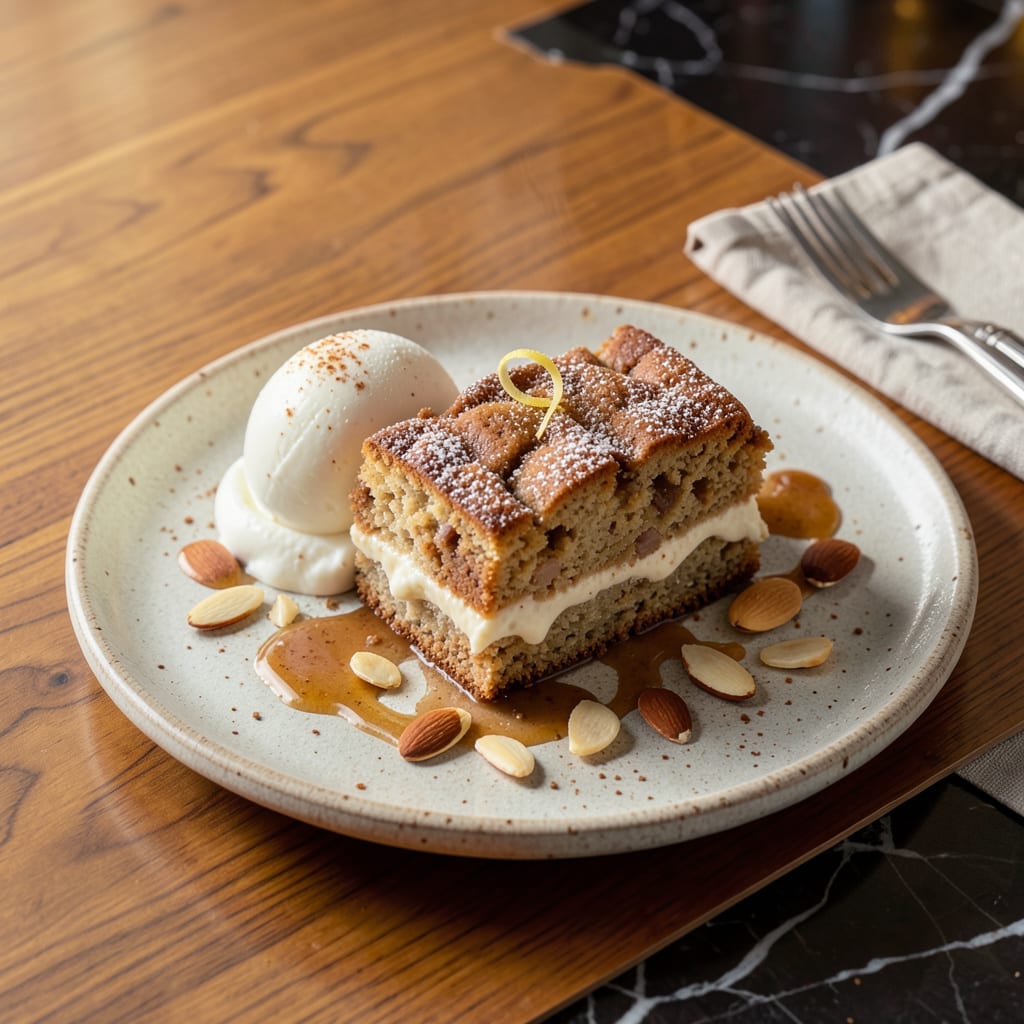
We’ve all been there—you’re excited about that new recipe, everything’s going great, then you take a bite and BAM, cinnamon overload hits you like a freight train. Don’t panic. I’ve saved more over-spiced dishes than I can count, and the good news is that cinnamon is one of the easier flavors to fix when you know these simple tricks.
The first rule of cinnamon rescue: never try to remove it. Instead, we’ll balance, dilute, or mask it. For sweet dishes like pies or oatmeal, a splash of acid (lemon juice or vinegar) cuts through the spice instantly. In savory dishes like stews or curries, umami boosters—soy sauce, tomato paste, or even a parmesan rind—work wonders to mellow that aggressive cinnamon punch.
Here’s where it gets interesting—cinnamon actually plays nice with certain flavors that can help disguise its intensity. For desserts, try folding in vanilla extract, cocoa powder, or a pinch of nutmeg (which has a similar warmth but less bite). In savory dishes, a sprinkle of smoked paprika or cumin can redirect your taste buds’ attention. These aren’t just band-aids; they’re flavor redirection tactics I’ve used in competition cooking.
Fair warning: the key is small increments. Add a little, taste, then decide if you need more. And next time? Remember that ground cinnamon is way more potent than sticks—start with half what the recipe calls for, then adjust. Now let’s save that dish before anyone notices your little spice mishap.
📚 In This Guide
- What You’ll Need
- Instructions
- Tips and Common Mistakes
What Youll Need
- ● Over-spiced dish – Your cinnamon-heavy recipe (e.g., 1 batch of curry, oatmeal, or baked goods).
- ● Neutral base ingredients – To dilute flavor: Plain yogurt or sour cream (½–1 cup) for savory dishes.
- ● Unsweetened applesauce or mashed banana (¼–½ cup) for baked goods.
- ● Broth or water (¼–1 cup) for soups/stews.
- ○ Acidic balancers (optional but helpful): Lemon juice or vinegar (1–2 tsp).
- ● Citrus zest (½ tsp).
- ● Sweeteners (for desserts): Honey or maple syrup (1–2 tbsp).
- ● Granulated sugar (1–2 tbsp).
- ● Tools: Mixing spoon or whisk.
- ● Measuring cups/spoons for precision.
- ● Taste-testing spoons (clean ones!).
- ● Patience – Adjust gradually and taste as you go! ⏳
Instructions
Here’s exactly how to fix that overwhelming cinnamon taste—simple, fast, and effective solutions.
Dilute the Dish with Neutral Ingredients
The quickest way to reduce cinnamon’s intensity is to increase the volume of your dish with neutral ingredients. For baked goods like cakes or cookies, prepare an extra ½ batch of the base recipe (without cinnamon) and mix it in thoroughly. This immediately cuts the cinnamon concentration by 33% without altering texture.
For sauces or beverages, add small amounts of the primary liquid—¼ cup at a time—until the flavor balances. In coffee or tea, simply add more hot water. The key is gradual addition with tasting between each adjustment. You’ll notice the cinnamon becoming more background than foreground with each dilution.
Add Acidic Elements to Counteract Sweet Spice
Cinnamon’s warmth pairs poorly with acidity, which makes this a powerful correction. For baked items, fold in 1-2 tablespoons of lemon juice or 1 teaspoon of vinegar to the batter before baking. The acid won’t make your dish taste sour—it’ll neutralize the cinnamon’s dominance while brightening other flavors.
In sauces or stews, stir in 1 tablespoon of tomato paste or a splash of white wine. For beverages like spiced cider, add 1 teaspoon of lemon or lime juice per cup. Taste after each addition—the cinnamon will seem less harsh as the acidity creates balance. This works because acid cuts through the sweet, woody notes of cinnamon.
Incorporate Creamy or Fatty Components
Fat molecules bind with cinnamon’s volatile compounds, effectively muting their intensity. In baked goods, add an extra 2-3 tablespoons of butter or ¼ cup of cream cheese to the batter. For frostings or glazes, increase the butter or cream by 25%—this creates a richer base that can carry the cinnamon without it overpowering.
For savory dishes like curries or chilis, stir in 2 tablespoons of coconut milk or ¼ cup of heavy cream at the end of cooking. In beverages, a splash of half-and-half or coconut cream works wonders. You’ll feel the texture become smoother as the fat coats your palate, making the cinnamon less aggressive with each sip or bite.
Introduce Competing Warm Spices
Sometimes the best way to reduce cinnamon’s presence is to make it part of a more complex spice profile. Add ½ teaspoon of ground nutmeg, ¼ teaspoon of cardamom, or ⅛ teaspoon of cloves to create a balanced warm spice blend. These spices share cinnamon’s warmth but with different flavor profiles that distract from its intensity.
For beverages, add 1-2 whole cloves or a cinnamon stick (yes, more cinnamon) to steep alongside the ground cinnamon. The whole spices release flavor more slowly, creating a layered effect where no single spice dominates. In baked goods, a pinch of ginger or allspice can round out the cinnamon’s sharp edges. Taste as you go—the goal is harmony, not a new overwhelming flavor.
Physical Removal for Textured Dishes
When dealing with dishes where cinnamon is visibly concentrated (like fruit compotes or chunky sauces), physically removing some can make a surprising difference. Use a slotted spoon to remove 20-30% of the cinnamon-heavy portions—often the darker, more saturated pieces. Replace with fresh, unspiced versions of the main ingredient.
For ground cinnamon in dry mixes, you can actually sift out some of the spice. Place the mixture in a fine-mesh sieve and gently shake—up to 30% of the cinnamon will fall through while leaving larger ingredients behind. This works particularly well with flour-based mixes. You’ll see the separated cinnamon collect beneath the sieve, reducing its concentration in your final product.
Tips and Common Mistakes
These practical adjustments will help you rescue over-spiced dishes with confidence and precision.
Gradual Dilution Technique: When adding neutral ingredients in Step 1, remember that small increments make all the difference. For baked goods, mixing in that extra ½ batch without cinnamon reduces the spice by exactly 33%—this mathematical precision ensures you won’t overshoot. With liquids, those ¼ cup additions should be measured carefully, with thorough stirring and tasting between each. I’ve found that rushing this process often leads to over-dilution, which can make your dish taste bland rather than balanced.
Acid Balance Strategy: The 1-2 tablespoons of lemon juice or 1 teaspoon of vinegar in Step 2 isn’t arbitrary—these specific amounts neutralize cinnamon’s dominance without making your dish taste sour. When working with sauces, that 1 tablespoon of tomato paste creates a rich base that counteracts the spice beautifully. The key is adding acid gradually and tasting frequently. I learned this the hard way after overdoing it with lime juice in a spiced cider—what started as a correction ended up tasting like citrus punch!
Fat Integration Method: Those 2-3 tablespoons of extra butter or ¼ cup of cream cheese in Step 3 aren’t just about richness—they’re about chemistry. Fat molecules literally bind to cinnamon’s volatile compounds, reducing their impact on your palate. When adding the 25% more butter to frostings, make sure it’s at room temperature for proper incorporation. For savory dishes, stir in that ¼ cup of heavy cream at the very end of cooking to preserve its textural benefits. The difference between adding fat at the beginning versus the end can mean the difference between a cohesive dish and an oily mess.
Spice Layering Approach: When introducing competing spices in Step 4, the specific measurements matter more than you might think. That ½ teaspoon of nutmeg or ⅛ teaspoon of cloves creates a harmonious blend rather than a spice war. Whole cloves or cinnamon sticks in beverages release flavor slowly, creating depth over time. I always taste after adding each new spice—this prevents creating a new overwhelming flavor profile while solving the original problem. The goal is balance, not just replacing one dominant spice with another.
Pro Tips for Reduce Cinnamon Flavor
- These practical adjustments will help you rescue over-spiced dishes with confidence and precision.
- Gradual Dilution Technique: When adding neutral ingredients in Step 1, remember that small increments make all the di…
- Acid Balance Strategy: The 1-2 tablespoons of lemon juice or 1 teaspoon of vinegar in Step 2 isn’t arbitrary—these sp…
Frequently Asked Questions
Can I remove cinnamon flavor completely after adding it?
Unfortunately, no—cinnamon’s potent oils bind to ingredients, making total removal impossible. However, you can dilute or balance it! Add neutral bases (like dairy, broth, or extra sugar) or contrasting flavors (citrus, vanilla, or cocoa). For baked goods, doubling the batch (without extra cinnamon) often helps.
How long does it take to fix an over-cinnamon dish?
Timing depends on the method! Quick fixes like adding dairy (milk, cream) or acid (lemon juice) work in under 5 minutes. For baked goods, you’ll need to rebake or adjust the next batch. Simmered dishes (soups, sauces) may need 10–15 minutes to mellow after adding balancing ingredients.
What’s the best substitute if I accidentally used too much cinnamon?
Try warm but milder spices to “distract” from the cinnamon overload:
- Nutmeg or allspice (¼ tsp at a time)
- Vanilla extract (½ tsp for sweet dishes)
- Cocoa powder (1 tbsp for chocolatey depth)
Why does my dish taste bitter after adding cinnamon?
Bitterness often means you used old, low-quality cinnamon or burned it. To fix:
- Add a pinch of salt or sweetness (honey, sugar).
- Strain out visible cinnamon sticks/powder if possible.
- Balance with fatty ingredients (butter, coconut milk).
Can I save a drink (like coffee or tea) that’s too cinnamon-heavy?
Absolutely! For hot drinks:
- Dilute with more liquid (water, milk, or cream).
- Add a sweetener (caramel, maple syrup) or citrus peel.
- Strain through a fine sieve to remove powdered cinnamon.
Toning down an overpowering cinnamon flavor doesn’t have to be stressful! With simple fixes like dilution, balancing with acidity, or adding complementary spices, you can rescue your dish in no time. 🌟 Remember, a little patience and creativity go a long way—even the best cooks face spice mishaps!
Ready to put these tips to the test? Next time you’re in the kitchen, keep this guide handy and experiment with confidence. Happy cooking—and may your flavors always be perfectly balanced! 🍽️

Trained in classic French technique but raised on slow-cooked ribs and spicy rubs, she blends culinary skill with smoke and soul.
- Hamburgers in Sauce Recipe Crock Pot: Slow-Cooked Savory Delight - October 3, 2026
- Sanjeev Kapoor Egg Biryani Recipe: Fragrant Spiced Rice With Boiled Eggs - October 3, 2026
- Recipe for French Pork Spread Gorton: Savory Gallic Flavors in a Spreadable Delight - October 3, 2026