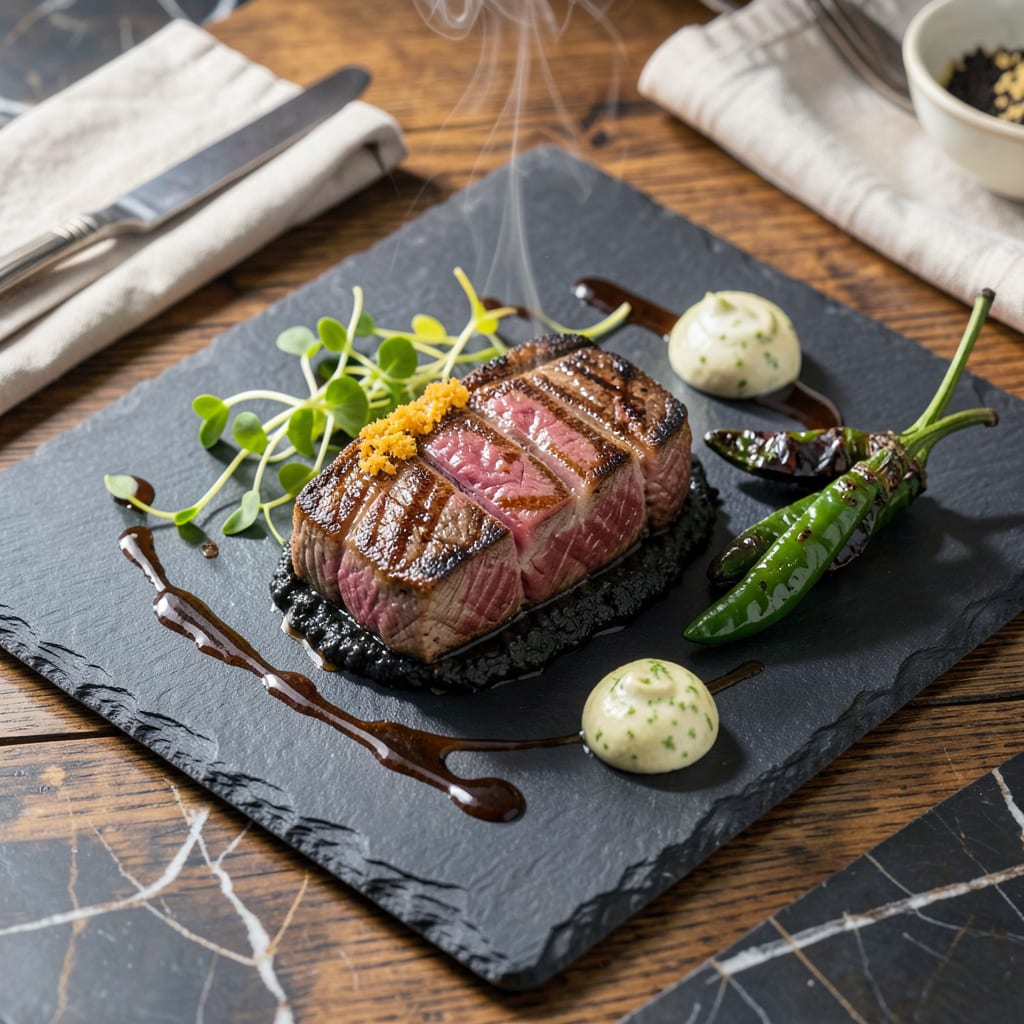
I’ll be real with you—cooking thin wagyu steak used to intimidate me. That delicate marbling and quick cooking time meant one wrong move could ruin an expensive cut. But after burning through (literally) a few test batches, I cracked the code for a perfect sear in just 5 minutes.
Here’s the thing—thin wagyu demands high heat and fast action. No fancy techniques, just a screaming-hot pan and confidence. The marbling does most of the work, but timing is everything. I learned this the hard way when my first attempt went from raw to well-done in 60 seconds flat.
What you’re after is a golden crust with pink, buttery meat inside. The secret? Pat it bone-dry, season simply (salt only, trust me), and don’t walk away. That sizzle you hear is flavor developing—listen for it to change pitch, then flip immediately.
By the time you plate it, you’ll have restaurant-quality wagyu with minimal effort. The meat practically melts, and that crispy edge? Worth every second of focus. Serve it bare or with just a squeeze of lemon—this beef doesn’t need hiding.
📚 In This Guide
- What You’ll Need
- Instructions
- Tips and Common Mistakes
What Youll Need
- ● 1 thin-cut Wagyu steak (6–8 oz) – Aim for ¼-inch thickness (A5 grade preferred for marbling). 🥩
- ● 1 tbsp high-smoke-point oil – Avocado, grapeseed, or refined coconut oil (avoid olive oil—it burns!).
- ● Kosher salt or flaky sea salt – To taste (Wagyu needs minimal seasoning!).
- ○ Freshly cracked black pepper – Optional (some purists skip it to savor the beef’s natural flavor).
- ○ 1 tbsp unsalted butter – Optional, for basting (adds richness).
- ○ 1 garlic clove or rosemary sprig – Optional, for aromatic basting.
- ● Heavy-bottomed skillet (10–12″) – Cast iron or stainless steel (nonstick won’t sear as well!).
- ● Tongs or fish spatula – No forks! (piercing = juice loss).
- ○ Meat thermometer – Instant-read (for precision; not optional for thin cuts!).
- ● Paper towels – To pat the steak bone-dry before cooking.
- ● Wire rack + plate – For resting (keeps the crust crispy!).
- ● Kitchen vent or open window – Trust us, Wagyu fat smokes fast! 💨
Instructions
Cooking thin Wagyu steak is all about precision and timing—follow these steps for a restaurant-quality result.
Prep the Steak for Even Cooking
Remove your thin Wagyu steak from the refrigerator and let it sit at room temperature for 15-20 minutes. This ensures even cooking from edge to center, preventing a cold core while the exterior burns. Pat both sides completely dry with paper towels—moisture is the enemy of a good sear.
Season generously with kosher salt and freshly ground black pepper just before cooking. I prefer kosher salt because its coarse texture adheres better to the meat’s surface. Don’t skimp on seasoning—Wagyu’s rich flavor can handle it, and the salt helps create that perfect crust.
Heat the Pan to the Right Temperature
Place a heavy skillet (cast iron works best) over high heat until it’s screaming hot. You’ll know it’s ready when a drop of water sizzles and evaporates instantly upon contact. Add just enough neutral oil to lightly coat the bottom—about 1 teaspoon—and swirl to distribute.
The pan should be hot enough that the oil shimmers but doesn’t smoke excessively. If you see wisps of smoke, that’s ideal—it means the pan is at the perfect temperature for searing. Don’t add the steak until you reach this point, or you’ll end up steaming it instead of searing.
Sear the Steak Quickly and Precisely
Lay the steak in the pan away from you to avoid oil splatter. Press down gently with a spatula for 10 seconds to ensure full contact with the pan. Cook for 1-1.5 minutes per side—no more. Wagyu’s high fat content means it cooks much faster than regular beef.
Watch for the edges to turn deep brown and the surface to develop a crisp crust. The steak will continue cooking from residual heat after you remove it from the pan, so err on the side of undercooking slightly. For medium-rare, aim for an internal temperature of 125-130°F when you pull it off the heat.
Rest and Slice for Maximum Tenderness
Transfer the steak to a cutting board and let it rest for 3-5 minutes. This allows the juices to redistribute throughout the meat instead of running out when you cut into it. Tent loosely with foil if you’re concerned about it cooling too much, but don’t wrap tightly—you want the steam to escape.
Slice against the grain into ¼-inch thick strips. The grain runs parallel to the long side of most thin steaks, so you’ll typically cut perpendicular to the longest edge. Serve immediately while the steak is still warm—the marbling will be at its most luscious and buttery when freshly cooked.
Serve with Simple Accompaniments
Wagyu’s rich flavor shines best with minimal accompaniments. I like to serve it with a sprinkle of flaky sea salt and a squeeze of fresh lemon juice to cut through the richness. The acidity brightens the beef’s umami notes without overpowering them.
Pair with simple sides like steamed greens or a light salad. Avoid heavy sauces that would mask the beef’s natural flavor. Each bite should highlight the steak’s buttery texture and complex beefy notes—this is the kind of meat that doesn’t need much help to be extraordinary.
Tips and Common Mistakes
Cooking thin Wagyu steak perfectly comes down to understanding its unique qualities and respecting the timing. Here’s what I’ve learned from countless sears in my kitchen.
Temperature Precision: The 15-20 minutes at room temperature in Step 1 isn’t just a suggestion—it’s critical for even cooking. I’ve ruined steaks by rushing this step, ending up with a cold center and burnt edges. Use this time to prep your pan and seasonings so you’re ready to cook immediately after tempering the meat.
Heat Control: When the instructions say “high heat” in Step 2, they mean screaming hot. I test my pan by holding my hand 3 inches above it—if I can’t keep it there for more than 2 seconds, it’s ready. The 1 teaspoon of oil should shimmer aggressively but not smoke violently. This perfect balance creates that restaurant-quality crust without burning the delicate Wagyu fat.
Timing Secret: Those 1-1.5 minutes per side in Step 3 go faster than you think. I set a timer for 1 minute, then watch like a hawk. The moment you see that deep brown crust forming around the edges (not black!), flip immediately. Wagyu’s marbling makes it cook 30% faster than regular steak, so trust the visual cues over the clock if they appear early.
Resting Technique: The 3-5 minutes rest in Step 4 isn’t optional—it’s when the magic happens. I tent mine with foil folded into a loose peak (not wrapped tight) to keep it warm while letting steam escape. This prevents the surface from getting soggy while allowing juices to redistribute. Cutting into it early means losing that buttery texture we’re all after.
Pro Tips for Cook Thin Wagyu Steak
- Cooking thin Wagyu steak perfectly comes down to understanding its unique qualities and respecting the timing. Here’s…
- Temperature Precision: The 15-20 minutes at room temperature in Step 1 isn’t just a suggestion—it’s critical for even…
- Heat Control: When the instructions say “high heat” in Step 2, they mean screaming hot. I test my pan by holding my h…
Frequently Asked Questions
How long should I cook thin Wagyu steak per side?
For a medium-rare finish, sear each side for 60–90 seconds on high heat. Thin cuts (¼–½ inch) cook fast—use a meat thermometer (125–130°F internal temp) to avoid overcooking. Rest 2–3 minutes before slicing!
Can I use a nonstick pan instead of cast iron?
Yes, but cast iron gives a better crust. If using nonstick, preheat on high and avoid moving the steak too soon. Stainless steel is a great middle-ground alternative for even browning.
Why does my Wagyu steak taste tough?
Overcooking is the #1 culprit! Wagyu’s low melting point means it turns chewy fast. Stick to high heat + short cook times, and never exceed medium doneness (140°F). Slice against the grain for extra tenderness.
Do I need to marinate thin Wagyu steak?
Nope! Wagyu’s rich flavor shines with just salt and pepper. Marinades can mask its natural buttery taste. For extra umami, try a light brush of soy sauce or garlic butter after cooking.
What’s the best way to reheat leftovers?
Gently warm in a low-heat pan (1–2 min per side) or use a sous vide at 120°F for 10 minutes. Avoid microwaves—they dry out the fat. Store airtight in the fridge for up to 3 days.
Cooking thin Wagyu steak doesn’t have to be intimidating—with the right heat, timing, and a watchful eye, you’ll master that restaurant-quality sear in minutes! 🥩✨ Remember: high heat, minimal flipping, and a rest are your best friends for locking in that buttery, melt-in-your-mouth flavor.
Ready to take it further? Grab a quality cut and experiment with marinades or sides—your next steak night just got a serious upgrade! 🔥

Trained in classic French technique but raised on slow-cooked ribs and spicy rubs, she blends culinary skill with smoke and soul.
- Recipe for Boneless Pork Chops in Cast Iron Skillet: Sear and Baste to Juicy Perfection - October 3, 2026
- Recipe for Boneless Cross Rib Roast: Slow-Roasted Beef with Herb Crust - October 3, 2026
- Hamburgers in Sauce Recipe Crock Pot: Slow-Cooked Savory Delight - October 3, 2026