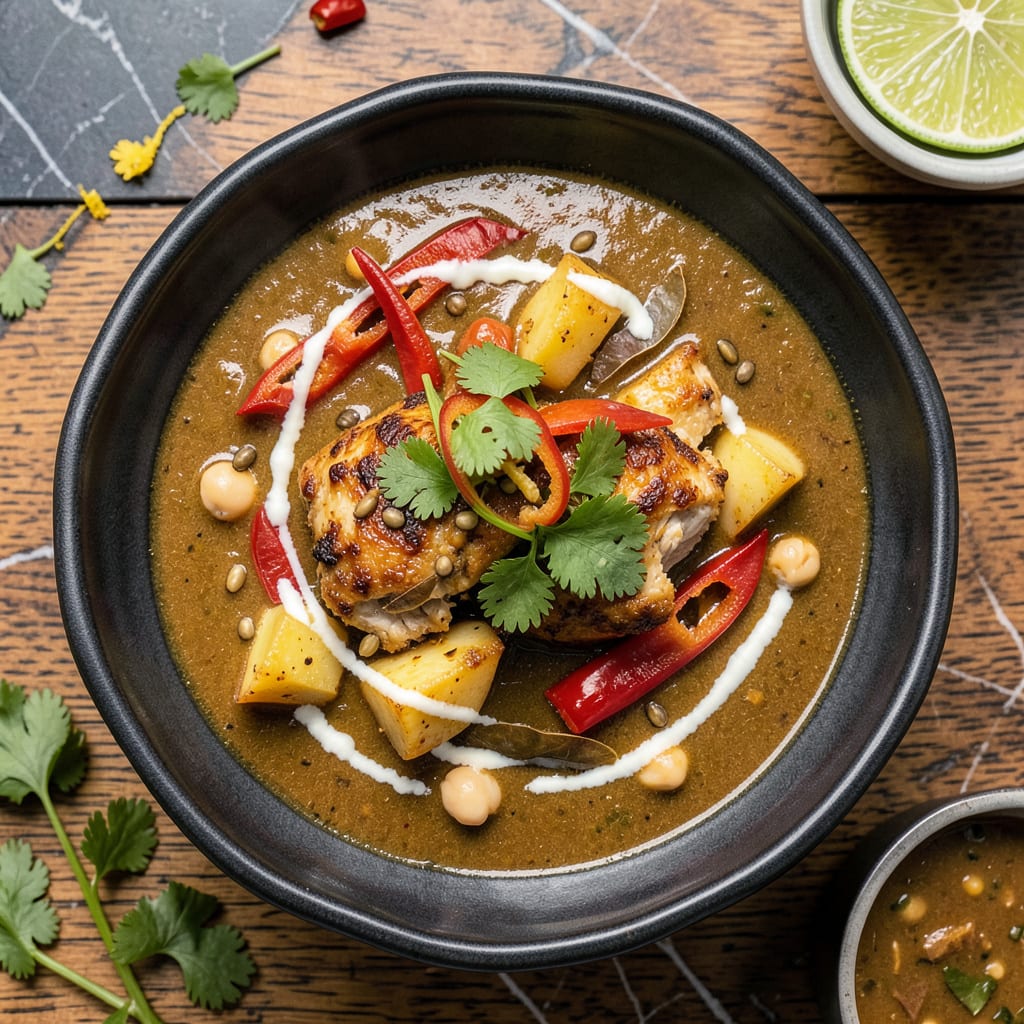
I’ve been there—you’re simmering a beautiful curry, take that first taste, and BAM, the tamarind hits you like a sour punch to the taste buds. That sharp, tangy flavor can overpower everything else in the dish, leaving you scrambling for solutions. Here’s the good news: fixing an overly tamarind-heavy curry is easier than you think, and I’ve got the chef-tested tricks to bring it back into balance.
The key is understanding that tamarind’s sourness needs counterbalancing, not masking. I learned this the hard way during my early days working in Indian kitchens, where a heavy hand with tamarind meant starting over. Now I know that simple pantry staples—sweetness from sugar or coconut milk, creaminess from dairy, or even starchy vegetables—can neutralize that sharp edge without muting the curry’s complex flavors.
What works best depends on your curry’s stage. If it’s still simmering, adding a spoonful of sugar or a splash of coconut milk can work wonders. For finished dishes, a dollop of yogurt or some diced potatoes (simmered until tender) absorbs excess sourness while adding body. The science is simple: you’re adjusting the pH balance to create harmony between all the flavors.
Here’s where experience comes in handy—I’ll share exact measurements and timing so you don’t have to guess. Whether you’re dealing with a slightly too-tangy curry or one that’s downright puckering, these techniques will save your dish. No wasted ingredients, no disappointing meals, just perfectly balanced flavors every time.
📚 In This Guide
- What You’ll Need
- Instructions
- Tips and Common Mistakes
What Youll Need
- ● Your over-tamarind curry – 1 batch (about 4–6 servings) 🍛
- ● Neutralizing agents (pick 1–2): Plain yogurt or coconut milk – ½ to 1 cup (adjust based on curry thickness)
- ● Palm sugar, jaggery, or brown sugar – 1–2 tsp (granulated works too)
- ● Fresh cream or heavy cream – ¼ cup (for richer curries)
- ○ Balancing spices (optional but helpful): Ground cumin or coriander – ½ tsp (toast lightly for extra depth)
- ● Garam masala – ¼ tsp (sprinkle at the end)
- ● Fresh cilantro – 2 tbsp, chopped (for brightness)
- ● Tools: Tasting spoon (clean, to avoid cross-contamination) 🥄
- ● Small mixing bowl (for prepping neutralizers)
- ● Immersion blender or whisk (if adjusting texture)
- ● Prerequisites: Cooked curry (cooled slightly for safe tasting)
- ● Patience – adjust gradually in small batches!
Instructions
Here’s exactly how to fix an overly tart curry and bring the flavors back into balance.
Assess the Tamarind Intensity
Before making any adjustments, taste your curry carefully to determine just how strong the tamarind flavor is. I like to take a small spoonful and let it sit on my tongue for a few seconds. Pay attention to whether the tartness hits you immediately or lingers unpleasantly after swallowing.
This assessment helps you decide how aggressive your corrections need to be. A slight tartness might just need a small tweak, while an overwhelming sourness will require multiple balancing techniques. Don’t skip this step—it prevents overcorrecting and throwing off other flavors in your dish.
Neutralize with Natural Sweeteners
The most effective way to counter tamarind’s sourness is with natural sweeteners that complement curry flavors. Start by stirring in 1 teaspoon of sugar or jaggery at a time, tasting after each addition. I prefer jaggery for its caramel-like depth, but regular white sugar works perfectly fine in a pinch.
Let the curry simmer for 3-5 minutes after each addition—the sweetness needs time to integrate fully. You’ll notice the tartness mellowing as the sugar dissolves. Be patient and add gradually; you can always add more, but you can’t take it out once it’s in there. The goal is balance, not sweetness.
Add Creamy Elements for Richness
Creamy ingredients help soften tamarind’s sharp edges while adding body to your curry. Stir in ¼ cup of coconut milk or 2 tablespoons of heavy cream and let it simmer for 5 minutes. The fat in these ingredients coats your palate, reducing the perception of sourness.
For dairy-based curries, I recommend yogurt—whisk ¼ cup with a ladle of hot curry first to temper it, then stir it back in. This prevents curdling while adding that perfect tangy creaminess. Watch as the curry transforms from one-note sour to rich and complex with each stir.
Build Depth with Aromatic Spices
Sometimes tamarind overpowers because other flavors aren’t assertive enough. Bloom 1 teaspoon each of cumin and coriander seeds in hot oil until fragrant (about 30 seconds), then stir this into your curry. The warm, earthy notes will help balance the tartness naturally.
A pinch of ground cinnamon or nutmeg can also work wonders—just ⅛ teaspoon is enough. These spices add warmth that contrasts beautifully with tamarind’s brightness. Let the curry simmer for another 10 minutes after adding spices to allow flavors to meld properly.
Dilute and Rebuild if Necessary
If the tamarind flavor is still overwhelming after trying other methods, you may need to dilute the curry slightly. Add ½ cup of water or broth and let it simmer for 5 minutes. This reduces the concentration of tamarind without watering down the dish completely.
After diluting, taste and adjust your seasonings—you’ll likely need to add a bit more salt and spices to compensate. I often use this as a last resort, but it’s remarkably effective when dealing with particularly potent tamarind. The key is adding just enough liquid to soften the tartness while maintaining the curry’s intended consistency.
Tips and Common Mistakes
Fixing an overly tart curry is all about patience and precision—here’s what I’ve learned from years of balancing flavors.
Gradual Adjustment: In Step 2, when adding sugar or jaggery, resist the temptation to dump it all in at once. The 3-5 minutes of simmering time after each teaspoon addition is crucial—it allows the sweetness to fully integrate and counterbalance the tamarind’s acidity. I’ve found that adding too much too quickly often overshoots the balance, leaving you with a curry that’s either still too tart or suddenly too sweet.
Temperature Control: For Step 4, when blooming cumin and coriander seeds, keep the heat at medium and watch them like a hawk. Those 30 seconds go fast, and burnt spices will add bitterness that complicates your flavor balancing act. I use a timer and stay right by the stove—trust me, you don’t want to start over because the spices overcooked.
Consistency Check: After Step 5, if you’ve added liquid to dilute the tamarind, let the curry simmer uncovered for those full 5 minutes. This helps maintain the original consistency while allowing flavors to rebalance. I often tilt the pan slightly to let excess moisture evaporate from one side, which helps preserve the curry’s body without making it watery.
Layering Flavors: Here’s what nobody tells you—when you add the coconut milk or cream in Step 3, stir it in gently but thoroughly, then let it simmer the full 5 minutes before tasting again. The fat needs time to emulsify properly and coat your taste buds, which is what actually reduces that sharp tamarind edge. Skipping this waiting period means you might add more sweetener than necessary.
Pro Tips for Reduce Tamarind Taste In Curry
- Fixing an overly tart curry is all about patience and precision—here’s what I’ve learned from years of balancing flav…
- Gradual Adjustment: In Step 2, when adding sugar or jaggery, resist the temptation to dump it all in at once. The 3-5…
- Temperature Control: For Step 4, when blooming cumin and coriander seeds, keep the heat at medium and watch them like…
Frequently Asked Questions
Can I add sugar to neutralize tamarind’s sourness in curry?
Yes! Sugar (or jaggery) is a quick fix . Start with ½ tsp, stir well, and taste before adding more. It balances acidity without overpowering. For healthier options, try honey or coconut sugar—but adjust gradually to avoid sweetness overload.
What if my curry is too sour after adding tamarind? Do I need to start over?
No panic! Dilute with ¼ cup unsalted broth or coconut milk to mellow the flavor. Simmer 5–10 mins to blend. If needed, add a pinch of salt or a splash of cream—both help counteract excessive tang.
Are there tamarind alternatives that won’t overpower my curry?
Swap tamarind with:
- Lemon juice (1:1 ratio, add last)
- Kokum (soak 2–3 pieces in warm water)
- Tomatoes (blended, for mild tang)
Each adds sourness but with less intensity.
When’s the best time to fix tamarind taste—during cooking or after?
During cooking is ideal! Adjust flavors before the curry thickens. If fixing post-cooking, warm the curry gently while stirring in correctives (sugar, dairy, or broth) to avoid separation.
Why does my curry taste bitter after adding tamarind? Did I use too much?
Bitterness often means the tamarind pulp wasn’t strained well or was overused. Fix it by:
- Adding a pinch of salt or asafetida (hing)
- Stirring in yogurt or cream (cools bitterness)
- Balancing with a sweet element (caramelized onions work great!)
Taming an overpowering tamarind taste in your curry doesn’t have to be a challenge! With simple tweaks like balancing acids, adding sweetness, or diluting the base, you can rescue your dish in minutes. Remember, cooking is all about experimentation—trust your taste buds and adjust as you go.
Now that you’ve got the tricks, why not save this guide for your next curry adventure? Or better yet, try one of these fixes today and share your delicious results! 😊

Trained in classic French technique but raised on slow-cooked ribs and spicy rubs, she blends culinary skill with smoke and soul.
- Recipe for Boneless Pork Chops in Cast Iron Skillet: Sear and Baste to Juicy Perfection - October 3, 2026
- Recipe for Boneless Cross Rib Roast: Slow-Roasted Beef with Herb Crust - October 3, 2026
- Hamburgers in Sauce Recipe Crock Pot: Slow-Cooked Savory Delight - October 3, 2026