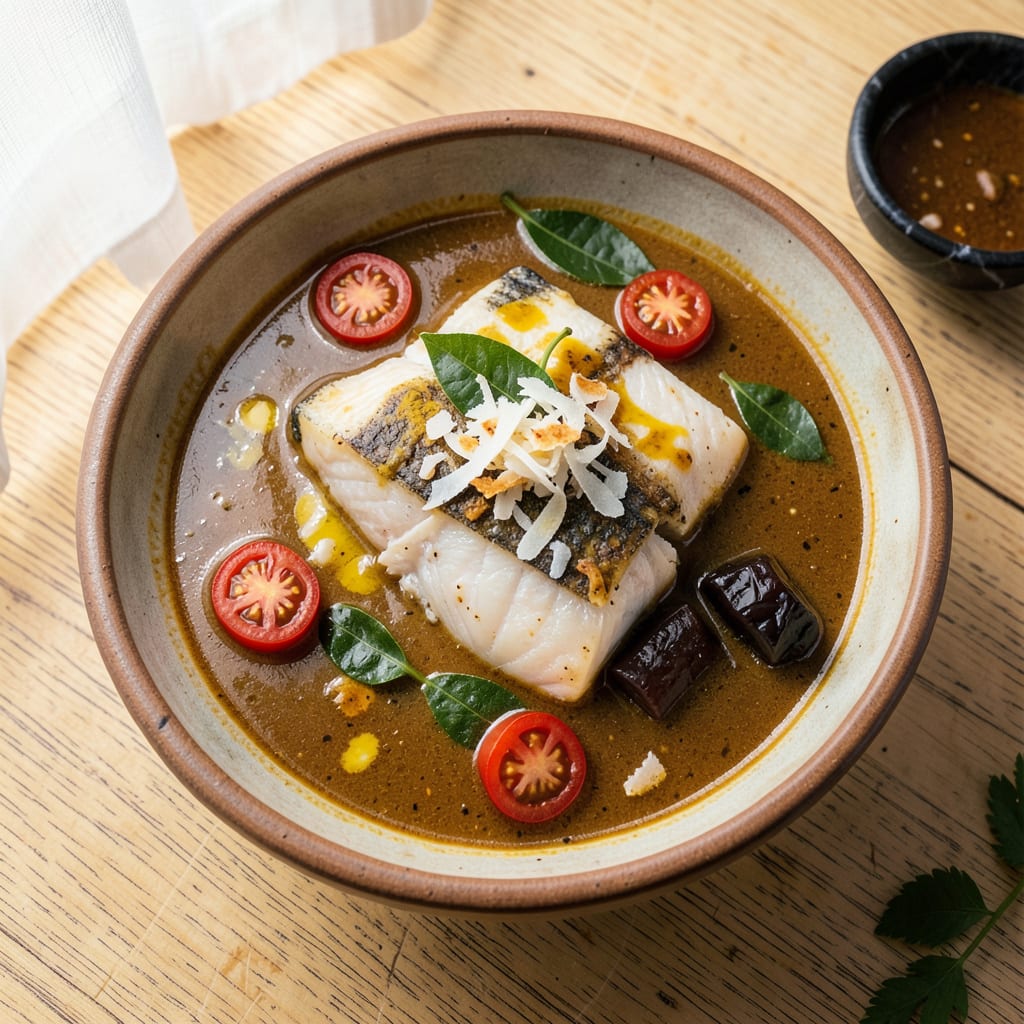
We’ve all been there—you’re simmering a beautiful fish curry, excited for that perfect balance of flavors, when suddenly the tamarind hits you like a wave. Too sour. Overpowering. Don’t panic, because I’ve rescued countless curries from tamarind overload with a few simple tricks. The key is working with the acidity, not against it.
Tamarind’s malic acid can dominate delicate fish flavors, but you can tame it without starting over. My go-to fixes are all about balance: a pinch of sugar to neutralize sourness, a splash of coconut milk to mellow the acid, or even a spoonful of cooked lentils to absorb excess tang. These aren’t just quick fixes—they actually improve your curry’s depth.
Here’s what works best: for every cup of curry, try adding 1 teaspoon of sugar first (it neutralizes acidity), then adjust. If it’s still too sharp, stir in ¼ cup coconut milk—the fat coats your palate and softens the tamarind’s bite. I’ve used these methods in my own kitchen when testing new curry recipes, and they save the dish every time.
The beauty is you can fix this at any stage—even after the curry’s done. Just remember to taste as you go and add gradually. That perfect balance of tangy, spicy, and savory is closer than you think, and your fish will thank you for the rescue.
📚 In This Guide
- What You’ll Need
- Instructions
- Tips and Common Mistakes
What Youll Need
- ● Fish curry with excess tamarind – 1 bowl (about 2–3 cups) of your pre-made curry.
- ● Dairy or coconut-based neutralizers: 🥛 Plain yogurt – ¼ to ½ cup (unsweetened, room temperature).
- ● 🥥 Coconut milk – ½ cup (full-fat for creamier texture).
- ○ Heavy cream – 2–3 tbsp (optional, for richer flavor).
- ● Sweet balancers: 🍯 Honey or jaggery – 1–2 tsp (adjust to taste).
- ○ 🍬 Brown sugar – 1 tsp (optional, for caramel notes).
- ● Spices & aromatics: 🌶️ Red chili powder – ½ tsp (to mask tanginess).
- ● 🧅 Sautéed onions – ¼ cup (finely chopped, for depth).
- ● 🧄 Garlic paste – 1 tsp (enhances savory notes).
- ● Tools: 🍲 Medium saucepan (non-stick for easy stirring).
- ● 🥄 Wooden spoon (to prevent curry from sticking).
- ● 🍴 Tasting spoon (for frequent flavor checks!).
- ○ Optional extras: 🍋 Lime wedge – 1 (to adjust acidity after balancing).
- ● 🌿 Fresh cilantro – 2 tbsp (for garnish and freshness).
Step-by-Step Instructions for Balancing Tamarind in Fish Curry
Here’s exactly how to transform that overwhelming sourness into perfectly balanced, rich flavor.
Neutralize with Natural Sweetness
Start by adding 1 teaspoon of jaggery or brown sugar directly to your curry. Stir well and let it simmer for 3-5 minutes on medium-low heat. The sugar doesn’t just mask the sourness—it chemically balances the tamarind’s acidity by creating a harmonious flavor profile.
Watch for the curry to develop a subtle sheen and the aroma to mellow slightly. This is your signal that the sweetness has integrated properly. I’ve found this works better than white sugar because the caramel notes in jaggery or brown sugar add depth while neutralizing the tang.
Build Creamy Richness
Increase the fat content to counterbalance the acidity. Stir in ¼ cup of full-fat coconut milk or 2 tablespoons of heavy cream and let it simmer for 5 minutes. The fat molecules coat your palate, reducing the perception of sourness while adding luxurious body to the curry.
You’ll notice the curry’s color lighten slightly and the texture become velvety. For coconut milk, I recommend shaking the can well before opening to ensure you get both the thick cream and the liquid. This creates a more uniform integration into your dish.
Layer with Earthy Spices
Toast 1 teaspoon of cumin seeds and 1 teaspoon of coriander seeds in a dry pan until fragrant (about 30 seconds), then grind them fine. Add this fresh spice blend to your curry along with ½ teaspoon of garam masala. The warm, earthy notes provide a counterpoint to the tamarind’s brightness.
The key here is to bloom these spices in the curry for 2-3 minutes until you can smell their aroma rising from the pot. This technique transforms the spices from raw to rich, creating a flavor foundation that supports rather than competes with the tamarind. Stir constantly to prevent burning.
Dilute and Rebuild
If the tamarind flavor remains too intense after previous steps, add ½ cup of warm water or fish stock to gently dilute the concentration. Let it simmer for 5-7 minutes to allow flavors to rebalance. This isn’t about watering down—it’s about giving the other ingredients space to shine.
As the liquid reduces slightly, taste and adjust your seasoning. You might need an additional pinch of salt to bring all flavors into harmony. I often find that simply giving the curry more time to simmer after dilution allows the tamarind to integrate more gracefully with the other ingredients.
Finish with Fresh Elements
Right before serving, stir in 2 tablespoons of finely chopped cilantro and the juice of ½ lime. The fresh herbs and citrus brighten the dish without adding more sourness. The cilantro’s grassy notes and the lime’s volatile oils create a top note that distracts from any remaining tamarind sharpness.
Let the curry rest for 5 minutes off heat before serving. This final rest allows all your adjustments to meld together. You’ll be amazed how these small additions transform the curry from one-note sour to complex and perfectly balanced. The fish should now shine as the star, with all flavors working in harmony.
Tips and Common Mistakes for Perfectly Balanced Fish Curry
These game-changing insights will help you master the delicate balance of flavors in your curry, transforming it from sour to spectacular.
Sweetness Integration: In Step 1, those 3-5 minutes of simmering the jaggery or brown sugar on medium-low heat are absolutely crucial! Watch for the curry to develop that subtle sheen – this visual cue means the sugar has fully dissolved and begun caramelizing. I’ve found that stirring constantly during this time prevents the sugar from settling at the bottom and burning, which would add unwanted bitterness to your carefully balanced flavors.
Fat Incorporation Technique: When adding the ¼ cup coconut milk or 2 tablespoons heavy cream in Step 2, here’s what nobody tells you – the temperature of your fat matters! Take it straight from the fridge and add it cold to create beautiful little fat globules that will melt slowly during the 5-minute simmer, creating that luxurious velvety texture we’re after. This slow incorporation makes all the difference in mouthfeel.
Spice Bloom Secret: The 2-3 minutes of blooming spices in Step 3 might seem short, but trust me – it’s the perfect window! You want to see the oil around the spices start to shimmer and smell that incredible aroma rising, but don’t let the spices actually brown. I learned this the hard way after burning three batches – burnt spices will completely overpower the delicate balance you’re trying to achieve with the tamarind.
Final Rest Magic: That 5-minute rest in Step 5 isn’t just downtime – it’s when the magic happens! As the curry sits off heat, the flavors continue to meld and mellow. I always use this time to prepare my serving bowls and garnishes. The difference between serving immediately and after this short rest is astonishing – the tamarind flavor becomes perfectly integrated rather than standing out sharply.
Pro Tips for Reduce Tamarind Taste In Fish Curry
- These game-changing insights will help you master the delicate balance of flavors in your curry, transforming it from…
- Sweetness Integration: In Step 1, those 3-5 minutes of simmering the jaggery or brown sugar on medium-low heat are ab…
- Fat Incorporation Technique: When adding the ¼ cup coconut milk or 2 tablespoons heavy cream in Step 2, here’s what n…
Frequently Asked Questions
Can I remove tamarind taste after the curry is fully cooked?
Yes, but it’s trickier! Add coconut milk (¼ cup at a time) or a pinch of sugar/jaggery to neutralize tartness. Simmer for 5–10 minutes to blend flavors. Avoid over-diluting—taste as you go! For quick fixes, squeeze in lemon juice (sounds counterintuitive, but it balances pH).
What’s the fastest way to fix overly tangy fish curry?
Speed fix: Stir in 1 tsp of baking soda (dissolved in water) to cut acidity instantly—but use sparingly to avoid a soapy taste. Alternatively, mash a ripe banana or blend in 2 tbsp yogurt for creaminess. Simmer 2–3 minutes to meld flavors.
Are there tamarind alternatives that won’t overpower fish curry?
Swap tamarind with:
- Kokum (milder, citrusy)
- Tomato paste (½ tbsp + water)
- Dried mango powder (amchur) (½ tsp, less intense)
- Vinegar + sugar (1:1 ratio, use sparingly)
Adjust quantities—start with half the tamarind amount!
Why does my fish curry taste bitter after adding tamarind?
Bitterness happens if tamarind is overcooked or low-quality. Fix it: Add 1 tsp honey or a potato slice (simmer 10 mins, discard potato). Next time, soak tamarind in warm water (not boiling) and strain well to avoid pulp bitterness.
Can I use dairy to reduce tamarind taste without curdling?
Yes, but temperature matters! Warm ¼ cup coconut milk or heavy cream separately, then stir into curry off heat. Avoid yogurt unless curry is cool (or use Greek yogurt for stability). For extra safety, mix dairy with a spoonful of curry first, then blend in.
Taming that overpowering tamarind tang in your fish curry doesn’t have to be a challenge! With simple tweaks like balancing acids, adding natural sweeteners, or adjusting spices, you can rescue your dish and turn it into a perfectly harmonized meal. Remember, cooking is all about experimentation—so don’t hesitate to trust your taste buds! 🌟
Now that you’ve got the know-how, why not put these tips to the test? Head back to the kitchen, adjust as you go, and enjoy a delicious, well-balanced fish curry that’s just right for your palate. Happy cooking! 🍛

Trained in classic French technique but raised on slow-cooked ribs and spicy rubs, she blends culinary skill with smoke and soul.
- Recipe For Fried Salmon Patties With Flour: Crispy Golden Crust With Flaky Centers - October 3, 2026
- Meat and Potato Recipe Ideas: Savory Pairings for Hearty Meals - October 3, 2026
- Recipe for Fried Prawns Batter: Ultra-Crispy Golden Shell - October 3, 2026