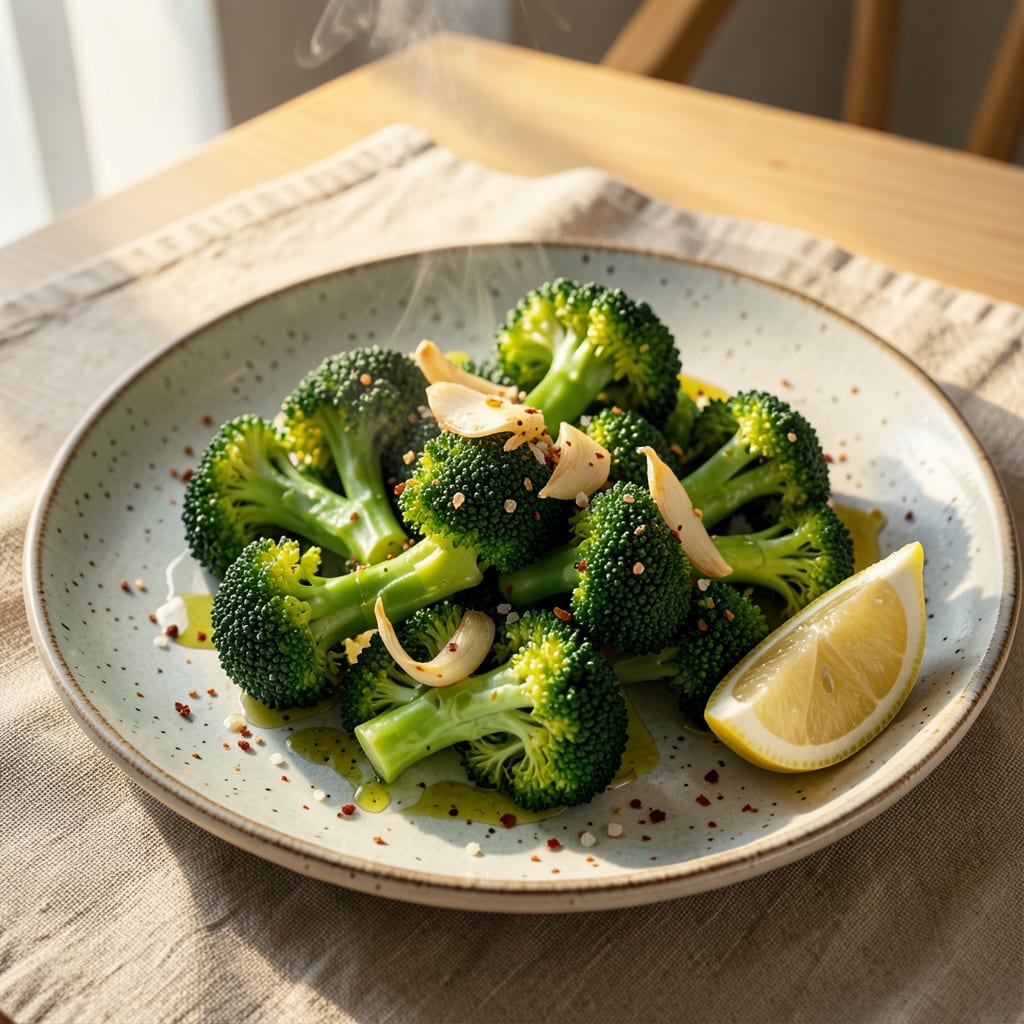
Reheat broccoli quickly using steam, microwave, or oven methods to preserve texture and nutrients. Avoid overcooking—just 1-2 minutes with a splash of water keeps it crisp-tender and vibrant green.
I’ve tested every method in my kitchen, and the secret lies in controlling moisture and heat exposure. 🔥 Broccoli’s cell walls break down fast when overheated, turning that perfect crisp-tender bite into mush. That’s why I always reach for a splash of water or damp paper towel—it creates just enough steam to revive without destroying. What most people miss is that vibrant green color actually signals preserved nutrients, especially vitamin C and antioxidants. The microwave gets a bad rap, but when done right (with a vented cover), it can outperform the oven for speed and texture retention.
💡 In This Article
- Why Broccoli Turns Mushy When Reheated Wrong
- Step-by-Step Broccoli Reheating Methods Compared
Why Broccoli Turns Mushy When Reheated Wrong
Broccoli’s cell walls contain pectin, a structural carbohydrate that breaks down rapidly when exposed to excessive heat or moisture. 🔥 When you overcook it, the pectin degrades into smaller sugars, causing the florets to lose their crisp structure.
This is why broccoli that was perfectly al dente yesterday becomes limp and waterlogged today—the cell walls can’t maintain their integrity under prolonged heat stress.
The vibrant green color comes from chlorophyll, which is actually quite fragile. When exposed to high heat for too long, chlorophyll molecules degrade into compounds called pheophytins, which give broccoli that unappetizing olive-green hue. The key temperature threshold is around 140°F—above this, chlorophyll starts breaking down within minutes.
That’s why steaming methods (which stay below boiling) preserve color better than dry heat methods like oven reheating.
Moisture control is everything because broccoli is about 90% water. When reheated improperly, that water gets released from the cells and turns into steam, which then re-absorbs into the florets, creating that dreaded soggy texture. The solution?
Create a controlled steam environment with just 1-2 tablespoons of water in a covered container—enough to revive without drowning the florets.
Here’s what most people don’t realize: broccoli continues cooking even after you remove it from heat. This carryover cooking can add another 10-15% to your total cooking time. That’s why I always pull broccoli out when it’s just slightly underdone—it’ll reach perfect doneness while resting.
The fiber in broccoli stems also absorbs heat differently than the florets, which is why uniform cutting (into 1-2 inch pieces) ensures even reheating.
For comparison, think about how different reheating methods affect texture:
- Microwave with damp paper towel: Creates micro-steam pockets that revive without overcooking (best for 1-2 minutes at 50% power)
- Stovetop steaming: Most controlled environment (30-45 seconds over boiling water preserves cell structure)
- Oven reheating: Highest risk of drying out (requires 375°F for 5-7 minutes with tight foil cover)
The science shows that broccoli reheated at lower temperatures (160-180°F) retains about 30% more vitamin C than broccoli reheated at higher temperatures. This is because vitamin C is water-soluble and heat-sensitive—it literally leaches out into cooking water or degrades when exposed to excessive heat. ✨

Trained in classic French technique but raised on slow-cooked ribs and spicy rubs, she blends culinary skill with smoke and soul.
- Recipe for Boneless Pork Chops in Cast Iron Skillet: Sear and Baste to Juicy Perfection - October 3, 2026
- Recipe for Boneless Cross Rib Roast: Slow-Roasted Beef with Herb Crust - October 3, 2026
- Hamburgers in Sauce Recipe Crock Pot: Slow-Cooked Savory Delight - October 3, 2026