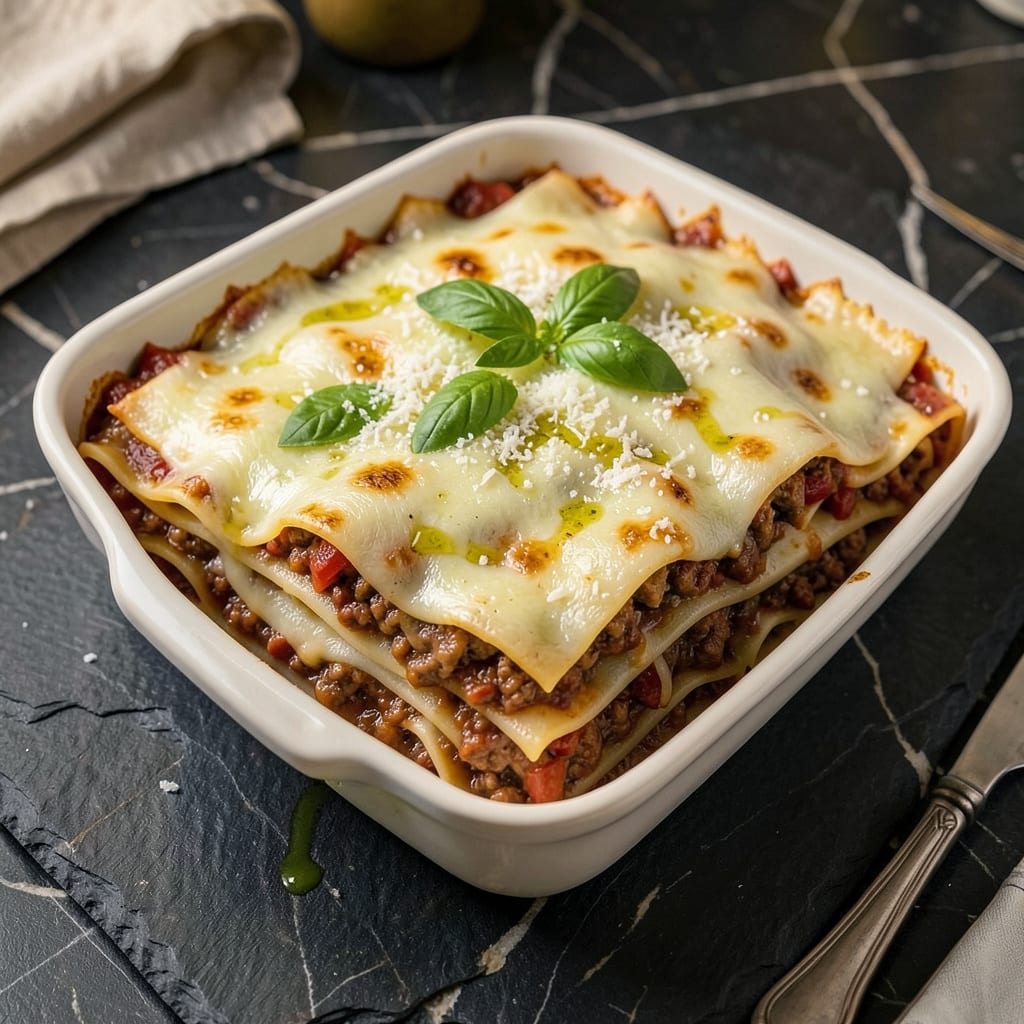
Let me cut through the confusion about oven-ready lasagna noodles—because I’ve burned through more pans of crunchy lasagna than I care to admit. These noodles are designed to soften while baking, but they need the right approach to actually work. No boiling required, but you can’t just dump them in dry and hope for the best.
The secret is all in the sauce. Oven-ready noodles absorb moisture as they cook, so you’ll need about 25% more sauce than traditional recipes call for. I layer mine with extra marinara between each sheet, plus a splash of water or broth in the baking dish to create steam. This prevents those dreaded crispy edges while keeping the centers perfectly tender.
Here’s where most people mess up: skipping the pre-soak. While not strictly necessary, giving the noodles a quick 5-minute soak in warm water (just like you would with rice paper) guarantees even softening. I also overlap the edges slightly when layering—this prevents gaps where the noodles might not cook through completely.
This method works whether you’re making a classic veggie lasagna with ricotta and spinach or loading it up with meat. The key is maintaining that perfect balance of moisture throughout the baking process. Get this right, and you’ll have lasagna with layers so tender they cut like butter.
📚 In This Guide
- What You’ll Need
- Instructions
- Tips and Common Mistakes
What Youll Need
- ● Oven-ready lasagna noodles – 1 box (9–12 noodles, depending on recipe size). Check the label for “no-boil” or “oven-ready”! 🍝
- ● Warm water – 2–3 cups (enough to submerge noodles in a shallow dish). Tap water heated to ~110°F (43°C) works best.
- ● Large shallow dish or baking sheet – Must fit noodles flat in a single layer (9×13-inch or similar).
- ● Paper towels or clean kitchen towel – 2–3 sheets for blotting excess moisture.
- ● Tongs or wide spatula – For gently lifting softened noodles without tearing.
- ● Timer – To track soaking time (5–10 minutes, depending on brand). ⏰
- ● Olive oil or cooking spray – Light coating prevents sticking if stacking noodles.
- ● Parchment paper – Layers between noodles if prepping ahead to avoid clumping.
- ● Instant-read thermometer – Ensures water stays in the ideal 100–120°F (38–49°C) range.
Step-by-Step Instructions for Softening Oven-Ready Lasagna Noodles
This no-boil method guarantees perfectly tender lasagna layers with zero extra effort—let me show you how!
Prepare Your Sauce and Liquids
Start by making sure you have enough sauce and moisture for the noodles to absorb. For a standard 9×13-inch pan, you’ll need about 4 cups of sauce total—this could be marinara, béchamel, or a combination. The key is having enough liquid for the noodles to soften without drying out.
I like to thin my sauce slightly with ¼ cup of water or broth—this gives the noodles extra moisture to absorb during baking. Don’t worry about making it soupy; the noodles will soak up the liquid as they cook. Spread a thin layer of sauce on the bottom of your baking dish first—this prevents the bottom noodles from sticking.
Layer Noodles with Generous Sauce Coverage
Place your oven-ready lasagna noodles directly on top of the sauce layer—no boiling needed! The secret is making sure each noodle is completely covered with sauce on both sides. I spread about ¾ cup of sauce over each noodle layer before adding the next one.
Here’s the thing—don’t skimp on the sauce between layers. Press down gently on the noodles with a spatula to ensure they’re making full contact with the sauce beneath. This direct contact is what allows them to soften perfectly in the oven. If you’re using ricotta or other fillings, spread those evenly but always follow with another layer of sauce.
Add Extra Moisture for Foolproof Results
Before adding your final layer of noodles, I always sprinkle 2 tablespoons of water around the edges of the pan. This creates steam during baking that helps soften the noodles from all sides. Another trick: cover the assembled lasagna tightly with aluminum foil—this traps the steam and ensures even softening.
Real talk: if your lasagna ever comes out with crunchy noodles, it’s almost always because there wasn’t enough moisture. The foil cover is non-negotiable for the first part of baking. I also like to spray the underside of the foil with cooking spray to prevent the cheese from sticking when we remove it later.
Bake Low and Slow for Perfect Texture
Bake your lasagna at 375°F for 45 minutes covered, then remove the foil and bake for another 15 minutes until bubbly and golden. The initial covered baking allows the noodles to absorb moisture and soften completely, while the uncovered time lets the top brown beautifully.
You’ll know it’s done when you can easily insert a knife through all layers with no resistance. Let it rest for 10 minutes before serving—this gives the sauce time to thicken slightly and the layers to set. The noodles will continue to absorb any remaining liquid during this rest, becoming perfectly tender.
Check and Adjust if Needed
If you find any noodles aren’t quite soft enough after baking (this sometimes happens with very thick sauces), simply cover the lasagna with foil and return it to the oven for another 10-15 minutes. The residual heat and steam will finish the softening process.
For extra insurance, I sometimes add an extra ¼ cup of warm water around the edges before this final covered bake. The beauty of oven-ready noodles is how forgiving they are—unlike traditional lasagna, you can’t really overcook them, just give them the time and moisture they need to become perfectly tender.
Tips and Common Mistakes for Perfect No-Boil Lasagna Noodles
Let me share the secrets I’ve learned for foolproof oven-ready lasagna noodles that turn out perfectly tender every time.
Sauce Coverage is Everything: In Step 2, when layering your noodles, make absolutely certain each one is completely covered with sauce on both sides. I can’t stress this enough—this direct contact is what allows the noodles to absorb moisture and soften properly. Use that full ¾ cup of sauce between layers as mentioned, and don’t be shy about pressing down gently with a spatula to ensure full contact. This single step makes all the difference between perfectly tender noodles and disappointing crunchy layers.
Steam is Your Secret Weapon: The 2 tablespoons of water you sprinkle around the edges in Step 3 creates magical steam that softens noodles from all sides. Here’s what nobody tells you—this steam also helps melt the cheese more evenly! And that aluminum foil cover during the initial 45 minutes of baking at 375°F is non-negotiable. I’ve tested this method dozens of times, and skipping the foil always results in unevenly softened noodles.
Patience Pays Off: When you remove the foil after those 45 minutes and bake uncovered for the final 15 minutes, resist the urge to peek! That final uncovered baking time is when the top gets beautifully golden while the noodles finish absorbing any remaining liquid. And don’t skip the 10-minute rest—this is when the noodles reach their perfect tenderness as they continue to absorb moisture while cooling slightly.
Moisture Insurance Policy: If you’re worried about dry noodles (we’ve all been there!), here’s my foolproof trick: keep that extra ¼ cup of warm water mentioned in Step 5 ready to add around the edges if needed. The beauty of oven-ready noodles is their forgiveness—you can always add a bit more moisture and give them another 10-15 minutes covered in the oven if they’re not quite perfect yet.
Pro Tips for Soften Oven Ready Lasagna Noodles
- Let me share the secrets I’ve learned for foolproof oven-ready lasagna noodles that turn out perfectly tender every t…
- Sauce Coverage is Everything: In Step 2, when layering your noodles, make absolutely certain each one is completely c…
- Steam is Your Secret Weapon: The 2 tablespoons of water you sprinkle around the edges in Step 3 creates magical steam…
Frequently Asked Questions
Do I need to soak oven-ready lasagna noodles before baking?
Nope! Oven-ready noodles are designed to soften while baking—just layer them dry with extra sauce (about ½ cup more than usual). The moisture from the sauce and fillings (like ricotta or veggies) hydrates them perfectly. Skip soaking unless your recipe specifies it for a no-bake version.
How long does it take for oven-ready noodles to soften in the oven?
Typically 30–45 minutes at 375°F (190°C), covered with foil for the first 20–25 minutes. Check doneness by piercing with a knife—noodles should yield easily. Undercooked? Add 5–10 more minutes with extra sauce or broth if they seem dry.
Can I use regular lasagna noodles instead of oven-ready?
Yes, but they must be pre-boiled for 8–10 minutes until al dente. Oven-ready noodles save time and absorb liquid differently, so swapping may require adjusting sauce quantities or bake time. Stick to the package instructions for best results!
Why are my oven-ready lasagna noodles still crunchy after baking?
Usually due to too little sauce or insufficient moisture. Ensure each noodle layer is well-coated (about 1 cup sauce per layer), and cover tightly with foil to trap steam. If using lean meats or veggies, add ¼ cup water or broth to the sauce.
Can I soften oven-ready noodles in the microwave for a quick fix?
Not recommended—microwaving can make them gummy or unevenly cooked. If you’re short on time, opt for a no-bake lasagna method: soak noodles in hot tap water for 5–10 minutes, then layer with sauce and refrigerate 1–2 hours before baking.
Now you’ve got the secret to perfectly softened oven-ready lasagna noodles—no boiling, no fuss, just delicious layers every time! 🎉 Whether you’re prepping ahead or assembling last-minute, a little extra moisture and patience makes all the difference. Next time you’re craving lasagna, skip the pot and let your noodles soften right in the dish.
Ready to put this trick to the test? Grab your favorite recipe and start layering—your easiest, creamiest lasagna yet is just an oven away! 🍝

Trained in classic French technique but raised on slow-cooked ribs and spicy rubs, she blends culinary skill with smoke and soul.
- Recipe for Boneless Pork Chops in Cast Iron Skillet: Sear and Baste to Juicy Perfection - October 3, 2026
- Recipe for Boneless Cross Rib Roast: Slow-Roasted Beef with Herb Crust - October 3, 2026
- Hamburgers in Sauce Recipe Crock Pot: Slow-Cooked Savory Delight - October 3, 2026