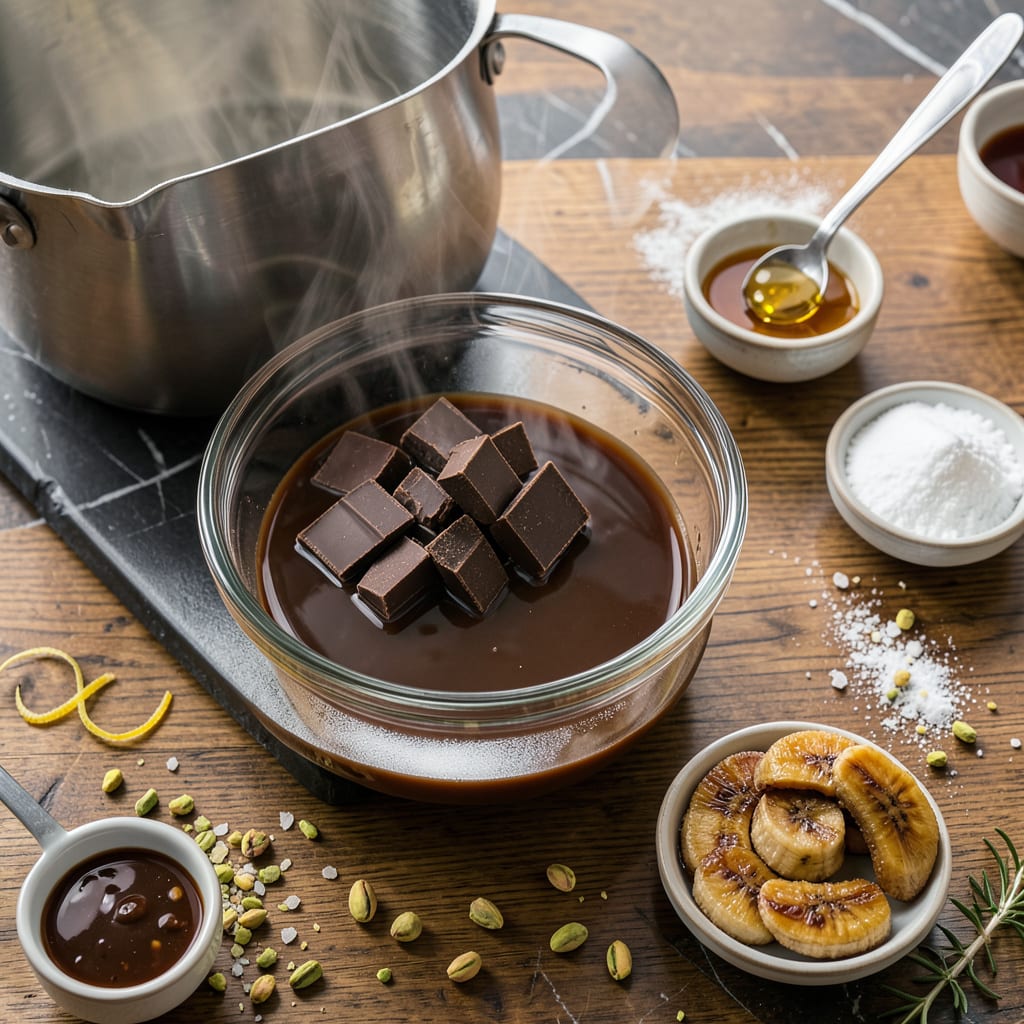
Dark chocolate can be intense—sometimes too intense. I’ve spent years figuring out how to soften its bitterness while keeping that rich, complex flavor we all love. The trick isn’t just adding sugar; it’s about balancing textures and techniques so the chocolate stays smooth and luxurious, not grainy or seized.
Here’s the thing—different sweeteners behave differently. Coconut sugar adds caramel notes, maple syrup brings floral depth, and date paste contributes a velvety texture. I’ve tested them all, including how they affect the chocolate’s melt and shine. Whether you’re making a silky ganache or a quick drizzle, the method matters just as much as the sweetener.
What you’ll end up with is perfectly balanced dark chocolate that’s still deeply chocolatey but now approachable. No more wincing at that first bite. The sweetness enhances rather than masks, letting the chocolate’s natural complexity shine through. It’s the kind of adjustment that makes dark chocolate lovers out of skeptics.
Use this for dipping fruit, drizzling over desserts, or just eating by the spoonful (no judgment). The techniques work whether you’re vegan or just looking for better control over your chocolate’s sweetness level. Let’s get that balance right.
📚 In This Guide
- What You’ll Need
- Instructions
- Tips and Common Mistakes
What Youll Need
- ● Dark chocolate – 4 oz (115g) minimum, 70% cocoa or higher (the darker, the more room for sweetening!)
- ● Sweetener of choice – Pick one (quantities vary by method): Honey or maple syrup – 1–2 tbsp
- ● Granulated sugar or coconut sugar – 1–3 tsp
- ● Powdered sugar – 1–2 tbsp (for smoother texture)
- ● Stevia or monk fruit sweetener – ½–1 tsp (sugar-free option)
- ● Double boiler or heat-safe bowl + saucepan (for melting)
- ● Silicone spatula or wooden spoon (to stir gently)
- ● Parchment paper or silicone molds (for reshaping)
- ○ Optional flavor boosters: Vanilla extract – ½ tsp
- ● Sea salt – pinch (enhances sweetness!)
- ● Cinnamon or orange zest – ¼ tsp (for depth)
- ● Kitchen scale (for precision) or measuring spoons
- ○ Thermometer (optional, for tempering pros—ideal temp: 88–90°F)
Instructions
Here’s how to transform bitter dark chocolate into perfectly balanced sweetness—five methods, each with its own magic.
The Classic Sugar Blend
Begin by finely chopping your dark chocolate into uniform pieces—this ensures even melting and distribution. I prefer using a serrated knife for this task, as it gives you more control than a chef’s knife. Place the chopped chocolate in a heatproof bowl and set it over a saucepan of barely simmering water, creating a bain-marie.
As the chocolate begins to melt, gradually whisk in powdered sugar—start with 1 teaspoon per ounce of chocolate and adjust to taste. The powdered sugar dissolves instantly, creating a smooth texture without graininess. Remove from heat when the mixture reaches 88-90°F (just above body temperature) to prevent seizing. Taste frequently; the flavor will intensify slightly as it cools.
Liquid Sweetener Infusion
For a more nuanced sweetness, combine your melted dark chocolate with liquid sweeteners like honey or maple syrup. Warm the sweetener gently to 110°F before incorporating—this matches the chocolate’s temperature and prevents separation. I recommend starting with 1 tablespoon of liquid sweetener per 2 ounces of chocolate, whisking vigorously to create an emulsion.
The key here is patience. Add the sweetener in three stages, allowing each addition to fully incorporate before adding more. You’ll notice the mixture will initially thicken, then relax into a glossy, pourable consistency. This method works particularly well for ganaches or dipping sauces where you want both sweetness and a silky mouthfeel.
Dairy-Based Sweetening
Create a sweetened chocolate base by combining melted dark chocolate with warm heavy cream and a touch of vanilla. Heat the cream to 180°F (just below simmering) and temper it into the chocolate in three additions, whisking constantly. The fat in the cream will naturally soften the chocolate’s bitterness while adding richness.
For precise control, I use a 2:1 ratio of chocolate to cream by weight. The vanilla enhances the perception of sweetness without adding actual sugar. Let the mixture sit for 5 minutes after combining—this allows the flavors to marry properly. You’ll see the mixture transform from separated to perfectly emulsified during this rest period.
Fruit Puree Integration
Balance dark chocolate’s intensity with natural fruit sweetness by folding in reduced fruit purees. Simmer 1 cup of fruit puree (raspberry or mango work beautifully) until reduced by half and cooled to room temperature. The puree should coat the back of a spoon before incorporating.
Gently fold the cooled puree into tempered chocolate using a silicone spatula—never whisk, as this can cause the mixture to seize. I aim for a 3:1 chocolate-to-puree ratio to maintain the chocolate’s structure while adding sweetness. The acidity in the fruit will actually make the chocolate taste sweeter through flavor contrast, allowing you to use less added sugar.
Spice-Enhanced Sweetness
Amplify the perception of sweetness by incorporating warm spices that naturally complement chocolate’s flavor profile. Toast ½ teaspoon of cinnamon and ¼ teaspoon of cardamom in a dry pan until fragrant, then whisk into melted chocolate. The spices’ volatile oils will bloom in the chocolate’s fat, creating a more complex sweetness.
Let the spiced chocolate rest for 10 minutes before tasting—the flavors need time to develop fully. This method works particularly well for baking applications where you want depth of flavor without additional sugar. The spices will make the chocolate taste sweeter by enhancing its natural fruit notes and reducing the perception of bitterness.
Tips and Common Mistakes
Perfecting sweetened dark chocolate requires attention to detail—here’s what I’ve learned from years of chocolate work.
Temperature Precision: The 88-90°F target in Step 1 isn’t arbitrary—this narrow window prevents seizing while allowing powdered sugar to dissolve completely. Use an instant-read thermometer for accuracy. If your mixture exceeds 90°F, remove from heat immediately and stir vigorously to cool it down. Chocolate’s cocoa butter begins to set at 93°F, so staying below that threshold is critical.
Emulsion Technique: When incorporating liquid sweeteners in Step 2, the 110°F temperature match is everything. Cold sweetener will cause the chocolate to tighten and separate, while overheated sweetener (above 120°F) can burn the chocolate’s delicate compounds. Add the sweetener in three stages as directed—this gradual approach creates a stable emulsion that won’t break when cooled.
Cream Integration: The 5-minute rest period in Step 3 isn’t optional. This is when the fat molecules from the 180°F cream fully integrate with the chocolate’s cocoa butter. I’ve found that whisking continuously during this time actually prevents proper emulsification. Let it sit undisturbed, then whisk once more before using. The transformation from separated to silky happens during these critical minutes.
Fruit Puree Ratio: In Step 4, that 3:1 chocolate-to-puree ratio maintains structural integrity. Exceeding this proportion risks a gummy texture as fruit pectin interacts with cocoa solids. When reducing your puree, aim for a consistency that coats the back of a spoon but still drips slowly—this ensures proper moisture content without making the final product too soft.
Pro Tips for Sweeten Dark Chocolate
- Perfecting sweetened dark chocolate requires attention to detail—here’s what I’ve learned from years of chocolate work.
- Temperature Precision: The 88-90°F target in Step 1 isn’t arbitrary—this narrow window prevents seizing while allowin…
- Emulsion Technique: When incorporating liquid sweeteners in Step 2, the 110°F temperature match is everything. Cold s…
Frequently Asked Questions
Can I sweeten dark chocolate after it’s already melted?
Yes! Once melted, stir in powdered sugar, honey, or maple syrup gradually (1 tsp at a time) to avoid seizing. For liquid sweeteners, reduce heat to prevent clumping. Re-temper if needed for a smooth finish.
What’s the best sweetener for dark chocolate if I’m avoiding sugar?
Try monk fruit sweetener (1:1 ratio) or erythritol (use 20% less). Stevia works too, but it’s potent—start with ¼ tsp per ounce of chocolate. Coconut sugar adds caramel notes but may darken the color.
How do I fix chocolate that turned grainy after adding sweetener?
Graininess means the chocolate seized. Rescue it by adding 1 tsp coconut oil or warm cream per ounce, stirring gently over low heat until smooth. Avoid water-based sweeteners if this happens!
Can I sweeten dark chocolate without melting it? (e.g., for baking chips)
For whole bars/chips, dust with powdered sugar or drizzle with honey before eating. For baking, mix chips with sweetened dough/batters instead—direct coating (like cinnamon-sugar) works too!
How long does sweetened dark chocolate last compared to unsweetened?
Shelf life stays similar (6–12 months if stored cool/dry), but moisture-rich sweeteners (honey, syrup) may shorten it to 3–6 months. Store in an airtight container with a silica packet to prevent sugar clumping.
Sweetening dark chocolate doesn’t have to be a guessing game—with the right techniques, you can turn even the boldest bars into a perfectly balanced treat. Whether you prefer natural sweeteners like honey or fruit, a pinch of salt, or a creamy dairy boost, the key is to experiment in small batches until you find your ideal flavor.
Now that you’ve got the know-how, grab your favorite dark chocolate and start testing these methods! Which one will you try first? 🍫✨ Share your sweetened creations with friends—or keep them all to yourself (we won’t judge!).

Trained in classic French technique but raised on slow-cooked ribs and spicy rubs, she blends culinary skill with smoke and soul.
- Recipe for Boneless Pork Chops in Cast Iron Skillet: Sear and Baste to Juicy Perfection - October 3, 2026
- Recipe for Boneless Cross Rib Roast: Slow-Roasted Beef with Herb Crust - October 3, 2026
- Hamburgers in Sauce Recipe Crock Pot: Slow-Cooked Savory Delight - October 3, 2026